
The global energy market is once again in turmoil, and Europe is feeling the strain. As prices for oil, diesel, and natural gas soar in response to escalating geopolitical tensions in the Middle East, five European finance ministers are pushing for a bold response: a new temporary tax targeting energy companies that are reaping significant profits from the ongoing energy crisis.
The Case for Taxing Profits
In a joint letter to EU Commissioner for Climate Action, Energy Neutrality, and Climate Growth Wopke Hoekstra, finance ministers from Germany, Italy, Spain, Portugal, and Austria have urged for an across-the-board tax on energy companies benefiting disproportionately from the energy market upheaval. This call comes as oil prices surge, driven in large part by the conflict between Israel and Iran, and the resulting supply disruptions from the Strait of Hormuz, a critical shipping lane for global energy exports.
The ministers argue that this new tax would send a clear message to energy companies, ensuring that they share in the responsibility for mitigating the impact of the crisis on ordinary citizens. “It will send a clear signal to those who profit from the consequences of the war, and who must do their part to ease the burden on ordinary people,” the ministers wrote. The exact structure of the proposed tax remains unclear, but the focus is on a coordinated EU-wide approach.
A Precedent Set in 2022: The EU’s Previous Energy Tax
This proposal is not entirely new. In response to the energy crisis caused by Russia’s invasion of Ukraine in 2022, the EU implemented a temporary tax on the windfall profits of energy companies. At that time, European energy markets were rocked by skyrocketing prices, and some energy company executives received hefty bonuses, stirring public outcry. In light of this, the EU sought to recoup some of those excess profits and redistribute the funds to alleviate the economic burden on consumers.
The European Commission is now contemplating similar measures, given the ongoing volatility in global energy markets. The war in the Middle East has triggered a 70% spike in natural gas prices and a 60% rise in oil prices in Europe. These increases are directly linked to geopolitical tensions, particularly the disruption of oil and gas exports through the Strait of Hormuz. As a result, the cost of fuel in Europe has jumped dramatically, with unleaded gasoline now priced at around 17.4 kroner per litre, up from 14.5 kroner in January.
Dan Jørgensen: A Call for Coordinated EU Action
EU Energy Commissioner Dan Jørgensen has highlighted the need for a unified European response to the ongoing crisis. Speaking last week, Jørgensen emphasized that the effects of the current geopolitical tensions on energy markets will likely persist in the long term. “Under no circumstances should we imagine that the consequences of this crisis on the energy markets will be short-lived, because they are not,” he stated.
While Jørgensen assured that there is no immediate risk of energy shortages in the EU, he warned that coordinated action is essential to shield citizens and businesses from the severe economic repercussions of rising energy costs. He also encouraged EU member states to adopt measures from the International Energy Agency’s 10-point plan, including initiatives such as working from home up to three days a week and car-free Sundays, designed to reduce energy consumption.
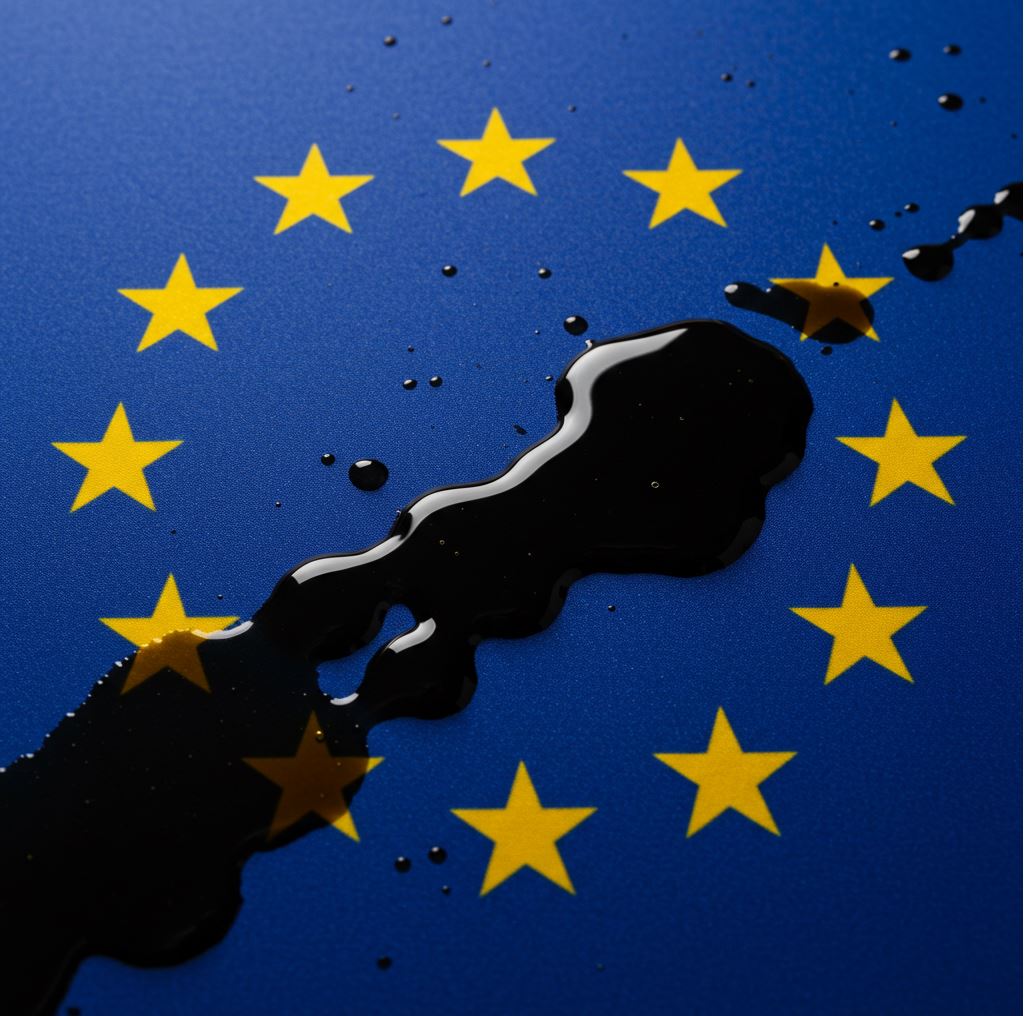
An Evolving Energy Landscape: Europe’s Dependence on Fossil Fuels
The ongoing energy crisis serves as a stark reminder of Europe’s ongoing dependence on fossil fuels, particularly oil and natural gas. Despite the EU’s ambitious green transition goals, fossil fuels remain deeply embedded in the European economy, driving everything from transportation to manufacturing.
The geopolitical instability in the Middle East, particularly in the wake of the Israel-Iran conflict, has shone a harsh light on Europe’s vulnerability to global energy price fluctuations. The Strait of Hormuz, which handles a significant share of the world’s oil and gas exports, has effectively become a choke point in global trade. Disruptions to this vital shipping route have far-reaching consequences for the price of energy across Europe, contributing to an economic burden that is felt by households and businesses alike.
In addition to the immediate impact on consumers, Europe’s energy crisis presents a larger economic concern. The EU imports more than half of its energy, with crude oil and natural gas comprising the bulk of those imports. In 2024, energy imports accounted for 57% of the EU’s energy needs, and the cost of these imports has been climbing steadily. For countries like Finland, the price increase has been particularly sharp, with oil prices soaring by more than 70% since the escalation of the Israel-Iran conflict.
The irony, as energy markets continue to destabilise, is that while the digital economy booms, the core drivers of global trade—oil and natural gas—remain essential, deeply woven into the fabric of European society. The need for energy diversification has never been more urgent, and the high costs of fossil fuel dependence underscore the importance of accelerating the EU’s green transition.
Looking Ahead: A Path to Energy Security and Stability
While the proposal for a temporary tax on energy profits is a crucial step in addressing the immediate financial burdens faced by Europeans, it is not a long-term solution. The current crisis serves as a wake-up call for the EU to double down on its efforts to reduce dependency on fossil fuels and invest more heavily in renewable energy sources. By fostering a greener, more sustainable energy future, Europe can begin to shield itself from the price volatility and geopolitical risks that have so far defined its energy landscape.
A Call to Action: What’s Next?
As the EU considers measures to stabilize energy prices, we will continue to monitor developments in this crucial area. The next article will explore the long-term implications of Europe’s energy crisis, analysing how the green transition could reshape the region’s energy future. We invite readers to connect with us on social media and share their thoughts on how the EU should address its energy vulnerabilities moving forward.
For further analysis and updates, follow our upcoming coverage of the EU’s energy policy response and what it means for businesses and consumers alike.
Stay Connected:
Follow us on LinkedIn, Twitter, and Facebook for more in-depth analysis and real-time updates on energy policy and economic trends in the European Union.
In our next edition, we will delve deeper into the role of renewable energy in Europe’s energy security strategy and the long-term effects of energy market disruptions on European industries.