
The Gulf of Finland has become a focal point in the ongoing tension between Russia and Ukraine, as the Russian “shadow fleet” continues to grow in numbers. Once a mere logistical inconvenience, the impact of these vessels now reverberates through global oil markets, especially after recent Ukrainian drone strikes on Russia’s key oil ports in the Leningrad Oblast.
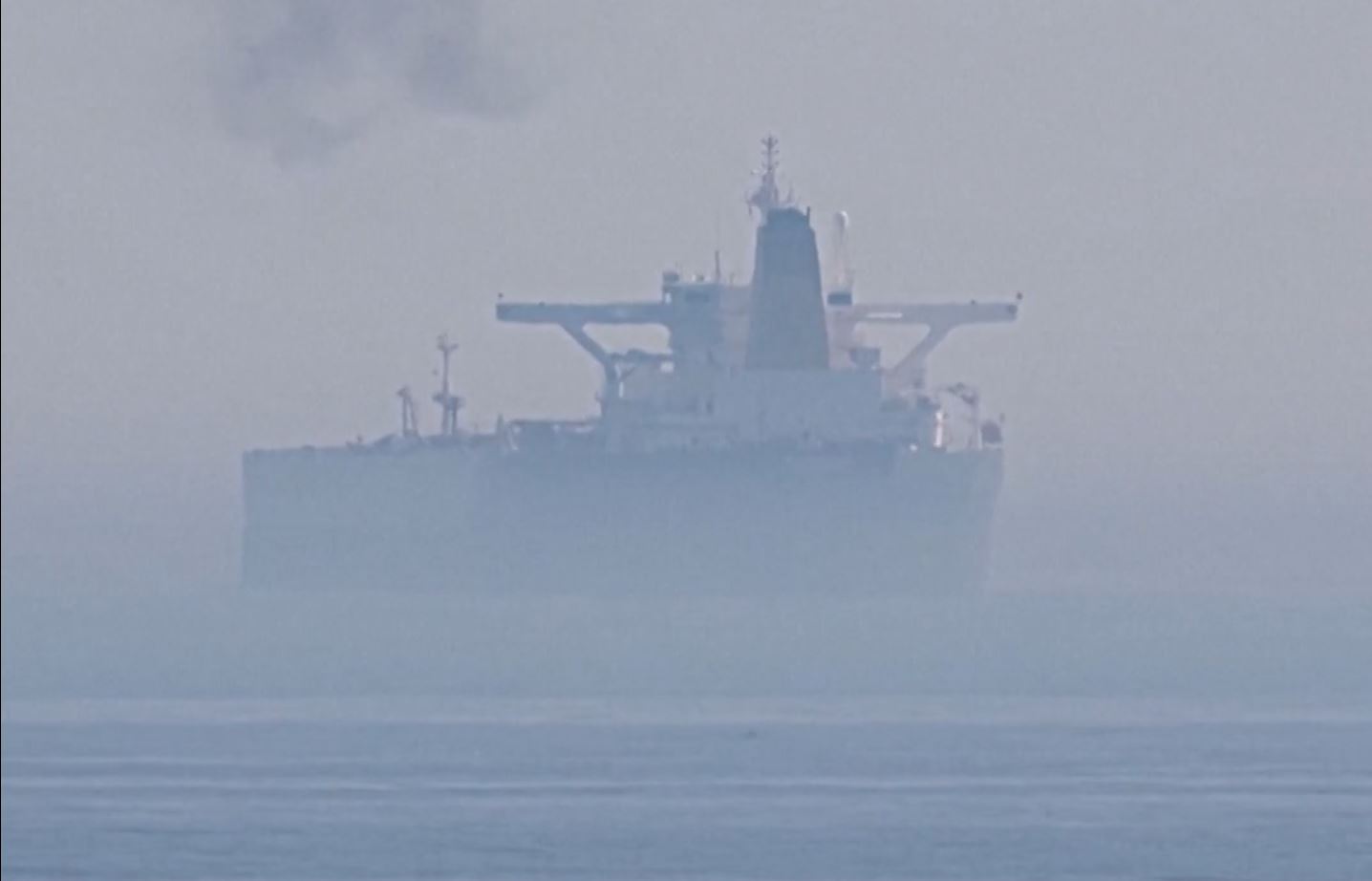
In a previously unseen turn of events, the Gulf of Finland has become a temporary home to dozens of ships, trapped in a small area off the Estonian island of Vaindloo (known as Stenskär in Swedish). While these vessels—most likely part of Russia’s elusive shadow fleet—wait for the green light to resume operations, they have inadvertently become a symbol of the broader disruptions caused by the war.
The Economic Fallout: A Million Barrels a Day Lost
According to experts, the pause in Russia’s oil production and exportation is costing the country more than just logistics; it’s creating a significant economic burden. The Ukrainian drone strikes on vital ports like Primorsk, Ust-Luga, Vyborg, and Kirishi in Leningrad Oblast have brought Russian oil export levels to a standstill, at least temporarily. The fires at these ports, which have been burning for more than a week, have set back Russia’s oil production, halting the flow of millions of barrels of crude oil.
As of the latest reports, an estimated 20 percent of Russia’s oil exports are still affected. Ports surrounding St. Petersburg, already a critical hub for Russian oil, have been significantly damaged. This disruption in supply has inevitably led to a surge in oil prices globally, further escalating the pressure on energy markets already struggling with supply chain issues and geopolitical instability.
The Shadow Fleet: An International Dilemma
The Russian shadow fleet, a term used to describe a network of vessels often operating outside of international regulations, has grown significantly in size as sanctions against Russia have taken hold. These ships, many of which are not registered under the Russian flag and operate under the radar of global oversight, have been a central part of Russia’s efforts to circumvent sanctions and continue oil exports.
Ivo Värk, the commander of the Estonian fleet, has expressed concern over the growing number of vessels now crowding the waters off Vaindloo Island. “Most of them are probably part of what is usually called the Russian shadow fleet,” Värk commented. The sheer volume of these vessels has created a logistical bottleneck in international waters, further exacerbating the global shipping crisis.
The visibility of these ships in such a small, concentrated area of the Gulf of Finland is not only a logistical challenge but a political one, as Russia seeks to evade sanctions while maintaining its role as a global energy supplier. The growing presence of the shadow fleet, coupled with the damage to traditional export routes, has led to uncertainty regarding the future of Russian oil shipments, especially to key markets in Europe and Asia.
The Global Energy Price Surge
As the situation continues to unfold, the immediate consequence has been an upward pressure on global oil prices. Despite Russia’s attempts to maintain market stability by positioning itself as a “reliable supplier,” President Vladimir Putin’s rhetoric about ensuring “safe and reliable” transportation through the Strait of Hormuz appears increasingly hollow in the face of rising tensions and direct threats to the country’s oil export infrastructure.
The uncertainty surrounding Russia’s ability to restore its oil production and exports has led to a tightening of supply in already strained markets. With oil prices surging, the ripple effects are being felt far beyond the region. Nations across the globe, particularly those dependent on Russian oil, are being forced to find alternative energy sources, further fuelling the volatility in global oil markets.
Looking Forward: The Geopolitical and Environmental Implications
As the shadow fleet remains bottled up in the Gulf of Finland, it’s not only Russia’s economic fortunes that are at stake. The geopolitical consequences of these actions are profound, with global oil prices rising, international shipping routes becoming increasingly congested, and the viability of Russia’s oil exports under continuous threat.
In addition to the economic and geopolitical ramifications, there are growing concerns over the environmental impact. Oil tankers are notorious for their environmental risks, and the concentration of such vessels in a small, enclosed area presents new challenges for maritime safety and environmental protection.
Conclusion: A Future of Uncertainty and Escalating Tensions
The situation in the Gulf of Finland is a microcosm of the broader instability caused by the ongoing war in Ukraine. The so-called “shadow fleet” is not just a logistical issue; it represents the deepening economic and geopolitical divides that have shaped the course of this war. As Russia struggles to maintain its role as a global oil supplier amid continued Ukrainian drone strikes, the world watches closely as both the global energy market and shipping routes hang in the balance.
Looking ahead, it’s clear that this situation is far from resolved. The future of the shadow fleet, the stability of Russian oil exports, and the wider implications for global trade will continue to be a key focus in the coming months.
Next Steps and Further Insights
In our upcoming follow-up article, we will delve deeper into the evolving role of the Russian shadow fleet and explore the broader implications of these disruptions on global trade routes. We will also look at potential technological and policy solutions to address the growing pressures on the global shipping industry.
We encourage our readers to stay connected with us for updates on this unfolding crisis and to reach out with questions or comments. For more in-depth analysis and to stay ahead of the curve, follow us on social media and join the conversation.
Stay informed, stay engaged, and let us help you navigate the complexities of the modern business landscape.