
From Market Euphoria to Maritime Peril in 24 Hours
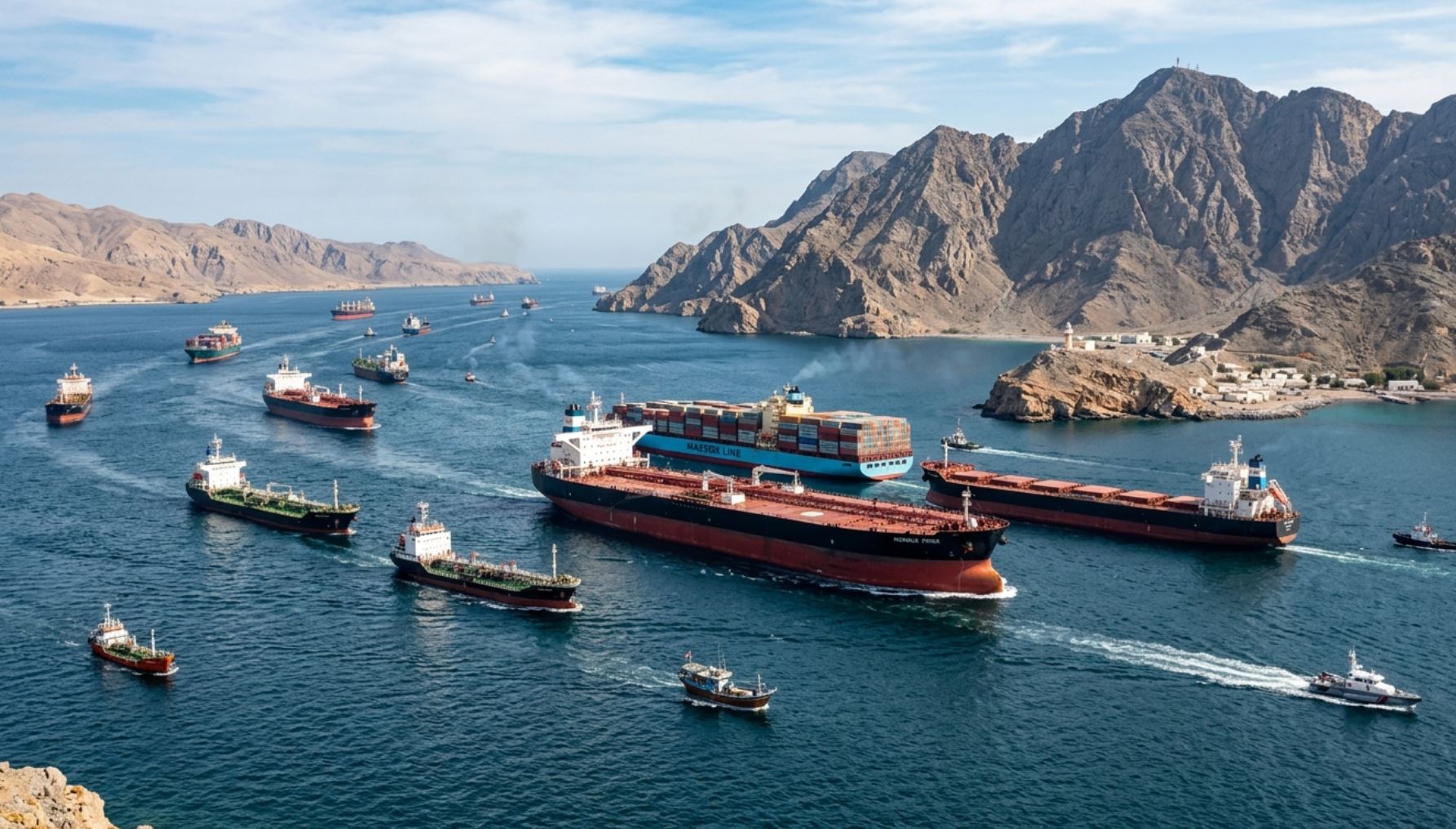
The Strait of Hormuz—the artery through which one-fifth of global crude oil and LNG flows—has once again demonstrated its outsized power over global markets. What began as a moment of cautious optimism on April 17, 2026, with Iran announcing the strait would reopen to commercial shipping during the Israel-Lebanon ceasefire period, quickly deteriorated into renewed volatility.
Iranian gunboats reportedly opened fire on at least one tanker on April 18, just hours after the Iranian military reimposed “strict control” over the waterway, citing “repeated breaches of trust” by the United States. The UK Maritime Traffic Organisation (UKMTO) confirmed that two Iranian Revolutionary Guard Corps (IRGC) gunboats fired upon a tanker transiting the strait, though the crew and vessel remained safe.
Market Whiplash: The Economic Cost of Uncertainty
The initial reopening announcement triggered immediate market relief. U.S. crude oil futures tumbled nearly $10 per barrel to approximately $81.50—the lowest level since early March—with Wall Street rallying toward another record. Stocks had already climbed more than 11% since late March on hopes of de-escalation.
However, the rapid reversal underscores a critical lesson for Nordic businesses: energy security cannot be priced on political announcements alone.
The International Energy Agency had previously warned that Europe faced only “maybe six weeks or so of jet fuel left” if supplies remained blocked. For Nordic economies—heavily dependent on stable energy costs and global supply chains—the volatility represents more than a trading opportunity; it threatens industrial competitiveness.
The Strategic Standoff: Blockade vs. Control
The current crisis stems from competing claims of maritime authority. President Donald Trump announced that the U.S. naval blockade of Iranian ports would continue “until our deal with Iran is 100 percent in place,” while simultaneously claiming Iran had promised never to close the strait again and would suspend its nuclear program.
Iranian officials have contradicted these claims. Foreign Ministry spokesman Esmaeil Baghaei stated unequivocally that “Iran’s enriched uranium will not be transferred anywhere”. Iranian MP Mohammad Bagher Ghalibaf warned that the strait would not remain open if the U.S. did not lift its blockade.
This creates a dangerous paradox: the U.S. blockade intended to pressure Iran into negotiations has become the pretext for Iran to restrict commercial shipping—affecting global markets, not just bilateral trade.
Nordic Industry Response: Caution Over Celebration
The Danish Shipping Association, representing one of Europe’s largest maritime sectors, immediately urged restraint. Deputy CEO Jacob K. Clasen emphasized that the industry was “clarifying whether the opening is real and what conditions apply”.
The Confederation of Danish Industry subsequently labelled the reversal “a serious setback,” with Lukas Lausen, head of global trade and investments, warning that the uncertainty “risks sending energy prices up further” and creates “new uncertainty for the world community and the already pressured global economy”.
For Nordic shipping companies operating in the region, the message is clear: operational security cannot rely on diplomatic press releases. The strait’s geography—where tankers must pass within range of Iranian coastal defences—creates inherent vulnerability regardless of political statements.
Geopolitical Implications: Beyond the Oil Price
The crisis reveals several structural risks that Nordic businesses must factor into their strategic planning:
1. Multilateral Security Vacuum
France and the UK have announced an “Initiative for Maritime Navigation in the Strait of Hormuz,” scheduled to convene at the Élysée Palace, exploring “a strictly defensive multinational mission when security conditions permit”. This suggests recognition that U.S. unilateral action may not provide the stable security framework global commerce requires.
2. Great Power Competition
China and Russia vetoed a UN Security Council resolution on April 7, 2026, that would have encouraged member states to reopen the strait. Iranian Foreign Minister Abbas Araghchi subsequently thanked China for blocking the resolution, calling it “effective in preventing escalation”. This indicates the crisis is increasingly framed within broader U.S.-China strategic competition.
3. The Nuclear Question
Trump’s claim that the U.S. would “get all nuclear dust” out of Iran remains unverified, while Iran insists its enriched uranium stays within its borders. The fundamental disagreement over Iran’s nuclear program—the original catalyst for hostilities—remains unresolved despite the ceasefire.
Business Intelligence: What Nordic Companies Should Monitor
| Risk Factor | Current Status | Business Impact |
| Oil Price Volatility | $81-100+ barrel range | Energy costs, transportation, manufacturing margins |
| Shipping Insurance | Elevated premiums for Gulf routes | Supply chain cost inflation |
| Ceasefire Expiry | April 22, 2026 | Potential for renewed military escalation |
| EU Jet Fuel Reserves | ~6 weeks remaining | Aviation, logistics sector pressure |
| U.S. Blockade | Ongoing | Iranian oil remains off market, supporting higher prices |
Conclusion: Navigating Strategic Ambiguity
The Hormuz crisis illustrates a new era of geopolitical risk where diplomatic announcements and military realities diverge rapidly. For Nordic businesses—operating in open economies dependent on global trade—the lesson is threefold:
First, energy diversification remains paramount. The vulnerability exposed by the strait’s closure reinforces the strategic logic behind Nordic investments in renewable energy and alternative supply routes.
Second, supply chain resilience requires scenario planning for sudden disruptions measured in days, not weeks. The 24-hour reversal from “open” to “firing on ships” demonstrates that lead times for strategic decisions have compressed dramatically.
Third, multilateral frameworks offer more stable foundations for commercial security than bilateral confrontations. The Franco-British initiative, while nascent, represents a European recognition that commercial interests require institutional protection beyond great-power politics.
The Strait of Hormuz will remain open or closed based on calculations in Tehran and Washington. Nordic businesses must ensure their strategic planning accounts for both possibilities—simultaneously.
Next In This Series: Nordic Energy Security in a Fragmented World—How Danish, Norwegian, and Swedish companies are restructuring supply chains for an era of geopolitical volatility. Subscribe to receive the follow-up analysis.
Connect with Nordic Business Journal: Follow our coverage of global trade risks and opportunities at www.nordicbusinessjournal.com Our editorial team welcomes insights from industry leaders navigating these challenges.
This analysis is current as of April 18, 2026. The situation remains fluid; readers are advised to monitor official maritime security advisories from UKMTO and national foreign ministries.