
Analysis: The $3.5 billion F-16 deal reveals a shifting defence landscape where industrial partnerships and diplomatic pressure increasingly outweigh technical merit.
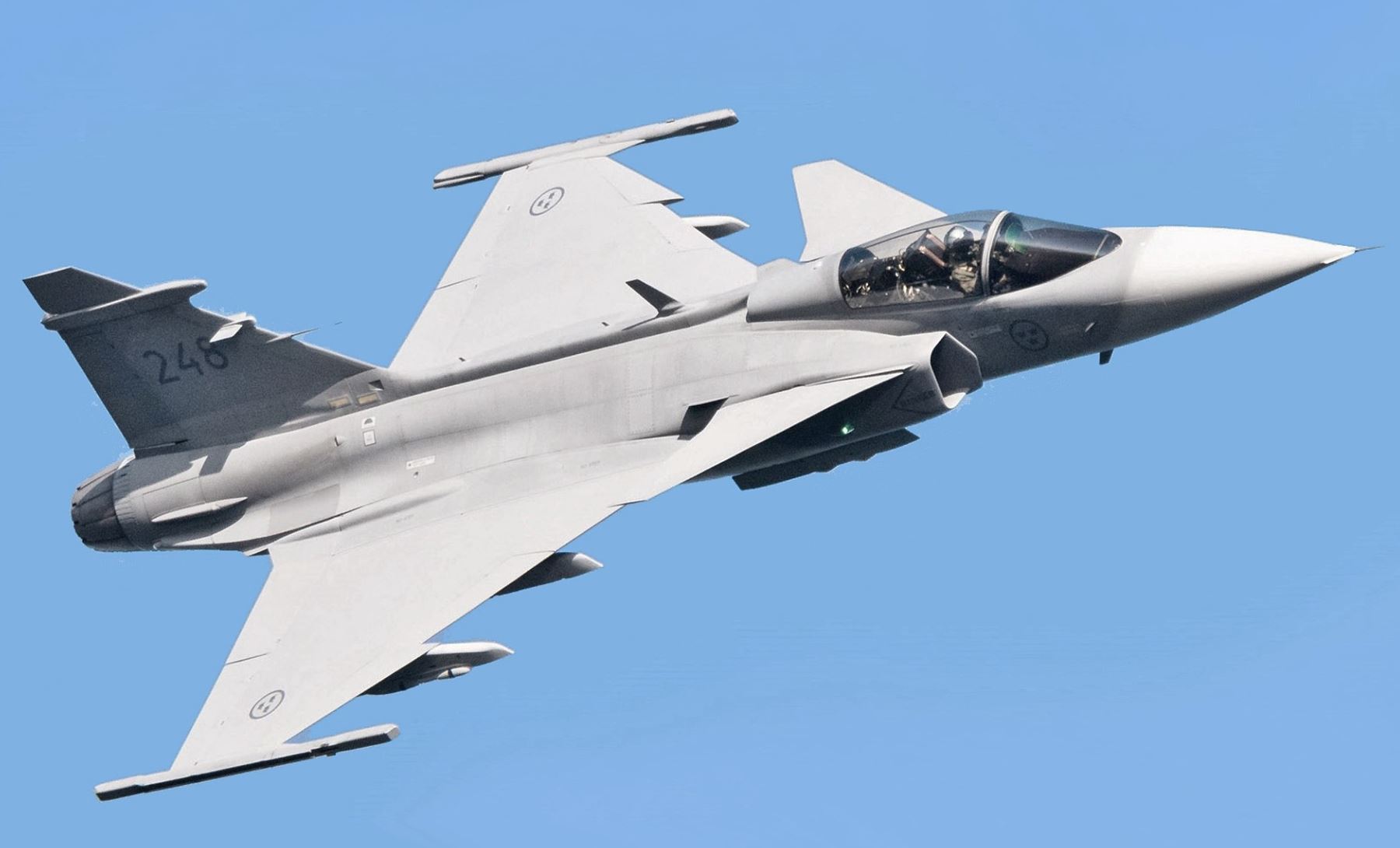
Saab’s bid to supply 24 Gripen E/F fighter jets to Peru appears to have collapsed, with the South American nation finalizing a $3.5 billion deal for 24 Lockheed Martin F-16 Block 70 aircraft instead. The contract, signed April 20 at Las Palmas Air Base after days of political chaos, represents not merely a lost order but a case study in how modern defence procurement has evolved beyond aircraft performance into the realm of geopolitical alliance-building.
We are trying to find out what happened,” Saab CEO Micael Johansson told TT, capturing the frustration of a company that believed it had fielded the superior technical and economic proposal. His team on the ground in Lima is now working to establish the facts, but the reality is increasingly clear: Peru’s decision was driven by factors that extend far beyond the flight deck.
The Deal That Changed Everything
The numbers alone tell a remarkable story. Lockheed Martin initially offered 12 F-16s for $3.42 billion in September 2025. By April 2026, the company had doubled the offer to 24 jets for just $3.5 billion — effectively adding 12 aircraft for only $80 million, less than the cost of a single fighter. The per-unit cost dropped to approximately $140 million, including training, armaments, and support — a price point that made the Gripen’s traditionally lower operating costs irrelevant.
But the aircraft were only part of the package. The United States simultaneously offered Peru designation as a Major Non-NATO Ally, granting preferential access to advanced weaponry, financing, and enhanced defence cooperation. This diplomatic carrot, combined with an implicit warning from U.S. Ambassador Bernie Navarro that dealing with Washington “in bad faith” would carry consequences, created a pressure environment that Saab’s technical advantages could not overcome.
Political Earthquake in Lima
The deal’s conclusion came amid extraordinary political turmoil. On April 17, President José María Balcázar announced he would postpone the signing, citing concerns over public spending and suggesting the decision be left to the next administration. The reversal triggered the immediate resignation of both Defence Minister Carlos Diaz and Foreign Minister Hugo de Zela, who argued that delaying the purchase would harm Peru’s credibility and national security.
The ministers’ departures underscored a fundamental tension in Peruvian defence policy: the country’s air force operates aging Mirage 2000s and Russian MiG-29s that have become increasingly difficult to maintain under Western sanctions. With Brazil’s Gripens already entering service and Argentina receiving Danish F-16s, Peru faced the prospect of regional isolation without modern fighters.
What This Means for Saab and Nordic Defence Exports
For Saab, the Peru loss is disappointing but not devastating. The company secured a landmark deal for 17 Gripen aircraft with Colombia in November 2025, and its production line remains busy with orders from Sweden, Brazil, Hungary, and Thailand. In its latest quarterly report, Saab posted an order intake of SEK 18.2 billion and operating profit of SEK 1.9 billion, with the CEO noting that while large orders were fewer, medium-sized orders showed strong growth.
The defence group’s stock has risen nearly 300% since the Ukraine war began, reflecting broader investor confidence in European defence capacity [original text]. Yet the Peru case exposes a vulnerability in Saab’s export strategy: in a world where the United States is willing to bundle fighter sales with diplomatic status and aggressive pricing, Nordic defence companies must increasingly compete on political and industrial partnership terms, not just engineering excellence.
The South American Fighter Market: A Geopolitical Chessboard
Peru’s decision shifts the balance of South American air power. The continent is now dividing into clear camps: Brazil and Colombia have chosen the Gripen, while Chile, Argentina, and Peru operate or will operate F-16s. Venezuela’s aging F-16 fleet, purchased in the 1980s before the Chávez era, represents a historical footnote rather than a current alignment.
This bifurcation matters for regional stability and industrial development. Brazil’s Gripen program includes technology transfer and local assembly by Embraer, building aerospace capacity that could serve the continent for decades. Colombia’s Gripen deal, meanwhile, was secured despite political friction with Washington, suggesting that Saab can still win when local industrial priorities align with its offering.
Looking Ahead: The Next Battlegrounds
Saab has withdrawn or is on the verge of withdrawing its Peruvian proposal, according to Latin American defence media. The company will likely redirect its focus to other markets where its value proposition — lower lifecycle costs, operational flexibility from austere airfields, and technology transfer — resonates more clearly.
For Nordic defence stakeholders, the lesson is clear: in an era of great power competition, fighter jet deals are increasingly “40-year marriage contracts between countries,” as defence analysts describe them. Technical superiority remains necessary, but it is no longer sufficient. The next generation of Nordic export success will require deeper integration of diplomatic support, financing creativity, and industrial partnership models that match the comprehensive packages now standard from American competitors.
What’s Next
In our upcoming coverage, Nordic Business Journal will examine Saab’s emerging opportunities in Southeast Asia and the Middle East, where Gripen’s lower operating costs and technology transfer offerings may prove more competitive against F-16 pressure. We will also analyse how Sweden’s NATO membership is reshaping Saab’s export strategy and partnership potential.
Connect with us: Follow Nordic Business Journal for continued analysis on Nordic defence exports, industrial strategy, and geopolitical risk. Share your insights or tip us on developing stories at editor@nordicbusinessjournal.com