
Sweden’s government has issued a stark warning about the potential shortage of aviation fuel, one of the first signs of a broader global energy crisis triggered by geopolitical instability. As the world grapples with the consequences of the ongoing conflict in Iran and the closure of the strategic Strait of Hormuz, the ripple effects are being felt across the global energy supply. Though Sweden is less affected than some other nations, the situation is evolving rapidly, and the Swedish government has made it clear that more drastic measures could be on the horizon.
The Swedish Energy Agency recently sounded the alarm about a possible shortage of aviation fuel, citing concerns that the global supply of crude oil is shrinking. According to Minister of Energy and Industry Ebba Busch (KD), while the situation regarding jet fuel is not yet an acute crisis, it is a clear warning sign. “It is not an immediate shortage but an increased risk of one,” Busch said during a press conference, emphasizing that this may be the first step in a broader disruption of energy supplies.
Despite the warning, the Swedish government has not issued similar alerts for gasoline and diesel, although this is not being ruled out. The situation is fluid, and the Swedish Energy Agency is closely monitoring developments. “This does not mean that we can exclude measures regarding gasoline and diesel in the future,” said Busch.
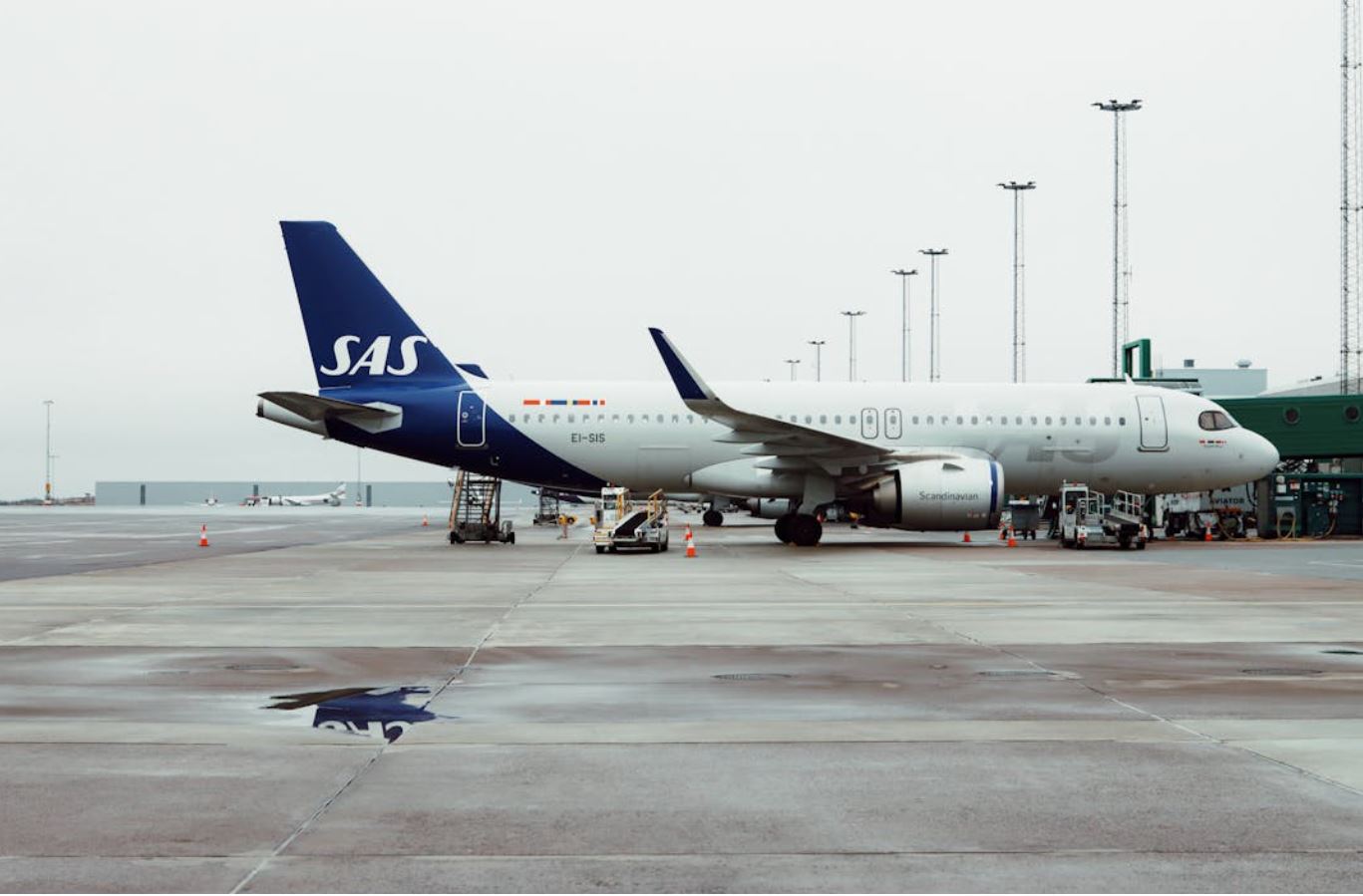
The Global Oil Shortage: A Looming Crisis
Christian Kopfer, a commodity analyst at Norwegian investment bank Arctic Securities, has cautioned that the shortage of jet fuel is merely the tip of the iceberg. The global oil market is in a precarious state, with demand consistently outstripping supply. “If the current situation persists, we will not only see a shortage of jet fuel,” Kopfer warned during an interview on Swedish television (SVT). “All types of oil products will be affected.”
Kopfer predicts that Sweden is likely to face similar shortages, regardless of government efforts to avert the crisis. “If the Strait of Hormuz remains closed into the fall, it’s inevitable,” he stated. The Strait of Hormuz is a key transit route for a substantial portion of the world’s oil exports, and its closure significantly disrupts global energy flows.
Rationing as a Necessary Measure?
Kopfer also highlighted the need for rationing if the fuel shortage continues. “The more countries that fail to limit consumption, the higher the prices will rise,” he said. Several countries are already contemplating rationing, but Kopfer believes Sweden will eventually follow suit, possibly as early as this summer.
This scenario could have significant economic consequences, not just for the aviation industry, but for all sectors reliant on petroleum-based products. A global shortage of oil could drive up prices for gasoline, diesel, and other fuel-based products, further inflating costs for consumers.
Air Travel Disruptions and Consumer Rights
The shortage of aviation fuel is already having a ripple effect on the airline industry. Minister Ebba Busch has urged travellers to plan for potential disruptions and to factor in extra time when booking flights. “Don’t book trips that require you to arrive home at a very specific time,” she advised. Travelers should prepare for possible delays or cancellations, particularly as the summer travel season approaches.
Maria Wiezell, a consumer advisor at Sweden’s Consumers organization, echoed these concerns, advising travellers to be prepared for unforeseen costs and schedule changes. “I wouldn’t book a trip right now unless I’m prepared for it to take longer and cost more,” she said, emphasizing that paying for travel with a credit card can help secure reimbursement in case of cancellations. Booking package tours, where the operator is responsible for both travel and accommodation, is another useful strategy to mitigate risks.
Wiezell also urged travellers to understand their consumer rights. “If your flight is cancelled, don’t settle for nothing,” she said. Swedish law grants consumers the right to compensation, and municipal consumer advisors are available to assist those who need help navigating disputes with companies. For unresolved cases, travellers can seek a ruling from the Swedish Complaints Board (ARN).
Future Outlook
The shortage of jet fuel is just one example of how global instability is affecting energy markets. As Sweden braces for possible fuel shortages, consumers must remain vigilant and proactive when booking travel or making energy-related decisions. The government’s early warning is a reminder of the unpredictable nature of global energy markets, and as the situation continues to evolve, more dramatic measures such as rationing could become necessary.
As we look toward the future, it is essential for both individuals and businesses to stay informed and prepared for potential disruptions. Our next article will provide an in-depth analysis of how businesses in Sweden are adjusting their operations in response to energy shortages and rising fuel prices.
Stay Connected with Nordic Business Journal
For further updates on the energy crisis and its impact on Sweden’s economy, stay tuned to Nordic Business Journal. We encourage readers to subscribe to our newsletter for timely insights and analysis on critical issues shaping the Nordic business landscape.