
Danish engineering giant’s internal investigation reveals pre-contractual materials shared with Russian individuals for Central Asian projects, as Nordic industrials grapple with tightening third-country circumvention rules.
One of the Nordic region’s largest industrial exporters, FLSmidth, has launched a formal internal investigation into potential violations of EU and US sanctions against Russia, the company disclosed in a stock exchange announcement on Tuesday. The probe has already identified that tender materials for mining projects in Kazakhstan were improperly shared with individuals based in Russia, triggering immediate regulatory notifications and a sharp selloff of the company’s shares.
FLSmidth, a 142-year-old Copenhagen-headquartered supplier of mining and cement technology with ~7,500 employees across 60+ markets, confirmed it has voluntarily notified both the US Treasury Department’s Office of Foreign Assets Control (OFAC) and the Danish Business Authority, and will cooperate fully with all ongoing inquiries. The company stressed that no contracts were signed for the Kazakh projects in question, and it has discontinued all related tender activity.
The Breach: Pre-Contractual Risks and Third-Country Circumvention
The internal investigation found that tender materials were passed to Russian individuals “in connection with a limited number of potential projects in Kazakhstan” — a key trade corridor for Russian entities seeking to bypass Western sanctions via Central Asian subsidiaries and intermediaries. FLSmidth initially listed “tendering activities prior to 2026” as potentially sanctionable in its exchange filing, a clerical error the company confirmed to Nordic Business Journal has been corrected to 2022, the year full EU and US sanctions on Russia took effect. No post-2022 activity is under scrutiny.
Crucially, the company noted that even pre-contractual tender materials may qualify as “services” under applicable sanctions rules, a nuance many Nordic firms have overlooked in their compliance frameworks. “Preliminary conclusions indicate these activities violated internal procedures, even though no revenue was generated,” FLSmidth wrote. “No guarantee can be given that the investigation will not lead to enforcement action or penalties.”
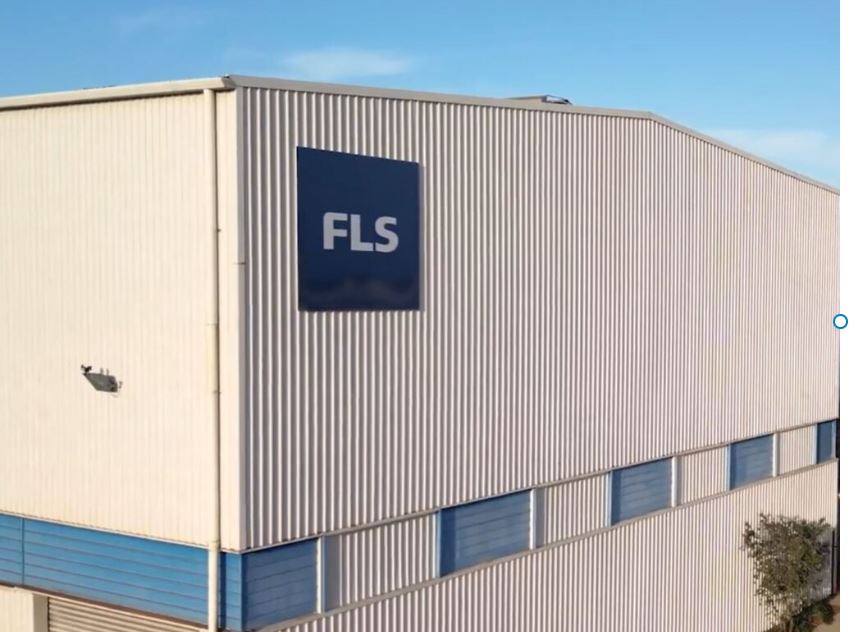
FLSmidth in Context: A Pivot Under Pressure
The probe comes at a sensitive time for the engineering group, which completed a strategic split in early 2024 to focus exclusively on mining technology after spinning off its cement division. The mining business, which accounts for 85% of FLSmidth’s 2024 revenue to date, has seen strong growth in emerging markets including Central Asia, where demand for mineral extraction equipment has surged as global supply chains shift away from China and Russia.
FLSmidth’s shares fell 4.1% on the Copenhagen Stock Exchange on Tuesday, making it the worst performer on the benchmark C25 index of Denmark’s 25 most traded stocks. The drop wiped ~1.2 billion DKK ($175 million) off the company’s market capitalization in a single session. FLSmidth said it does not expect the probe to impact its 2024 financial results, but analysts note any fines issued in 2025 would hit next year’s earnings: Danske Bank Equity Research estimates potential OFAC penalties could range from 200 million to 1 billion DKK, equivalent to 4–20% of the company’s 2023 net profit.
Nordic Business Journal Analysis: Key Takeaways for Nordic Business Leaders
This case marks a critical inflection point for Nordic multinationals operating in high-risk third markets, with three actionable insights for our readers:
1. Pre-contractual activity is sanctionable: Sanctions rules apply to all forms of technical, commercial, and advisory support — including tender documents, feasibility studies, and pre-bid consultations — not just finalised sales. Compliance teams must screen all pre-contractual touchpoints with Russian individuals or entities, even when projects are located in neutral third countries.
2. Dual US-EU exposure is non-negotiable: FLSmidth’s voluntary disclosure to OFAC reflects the extraterritorial reach of US sanctions: even Danish firms with no US operations are subject to OFAC rules if they use USD, have US suppliers, or serve clients with US ties. Voluntary self-disclosure can reduce fines by up to 50%, a best practice other Nordic firms should adopt immediately.
3. UBO checks are now mandatory: The Kazakh connection highlights the risk of Russian beneficial ownership (UBO) hidden behind third-country shell companies. Nordic firms must conduct full UBO screening for all projects in Central Asia, Southeast Asia, and the Caucasus, not just direct Russian counterparties.
A Wider Nordic Sanctions Enforcement Trend
FLSmidth is not the first Danish firm to face scrutiny over Russian sanctions compliance. Paint group Flügger remains under investigation by Denmark’s State Prosecutor for Serious Economic Crime (SØK) after searches of its headquarters and charges against its CEO and CFO in 2023 for selling products to Russian distributors. NBJ has learned pre-trial hearings in the Flügger case are scheduled for Q4 2024, with a potential indictment decision expected in early 2025.
The cases follow a sharp increase in enforcement since the EU’s 12th sanctions package took effect in June 2024, which explicitly bans the provision of technical assistance to Russian entities via third countries. The Danish Business Authority has doubled its audits of firms with Russian exposure since 2023, and Norway and Sweden have launched similar compliance review programs for their largest exporters.
FLSmidth said it is already reviewing and strengthening its global compliance program, including additional training for staff in emerging markets and stricter third-party screening protocols. The internal investigation is expected to conclude by Q4 2024, the company told the Nordic Business Journal.
Next in This Series
In our October 2024 issue, Nordic Business Journal will publish an exclusive benchmarking of sanctions compliance programs across 15 top Nordic industrial firms, including a deep dive into third-country circumvention risks in Central Asia and Southeast Asia. We will also interview lead compliance officers at two Fortune 500 Nordic multinationals on how they are adapting to the EU’s 12th sanctions package.
Connect With Us
Have insights on sanctions enforcement, tips on Nordic firms facing regulatory risk, or feedback on this reporting? Reach our editorial team directly at editorial@nordicbusinessjournal.com, or engage with us on LinkedIn @NordicBusinessJournal and X @NordicBizJournal.