
The Swedish government is escalating efforts to enforce deportation orders for 155 convicted Syrian nationals, marking one of the most concrete steps yet in its broader push to link migration policy with bilateral diplomacy. A technical delegation from Syria is expected in Stockholm this spring to formalise cooperation on returns — a rare diplomatic opening with Damascus after more than a decade of frozen relations.
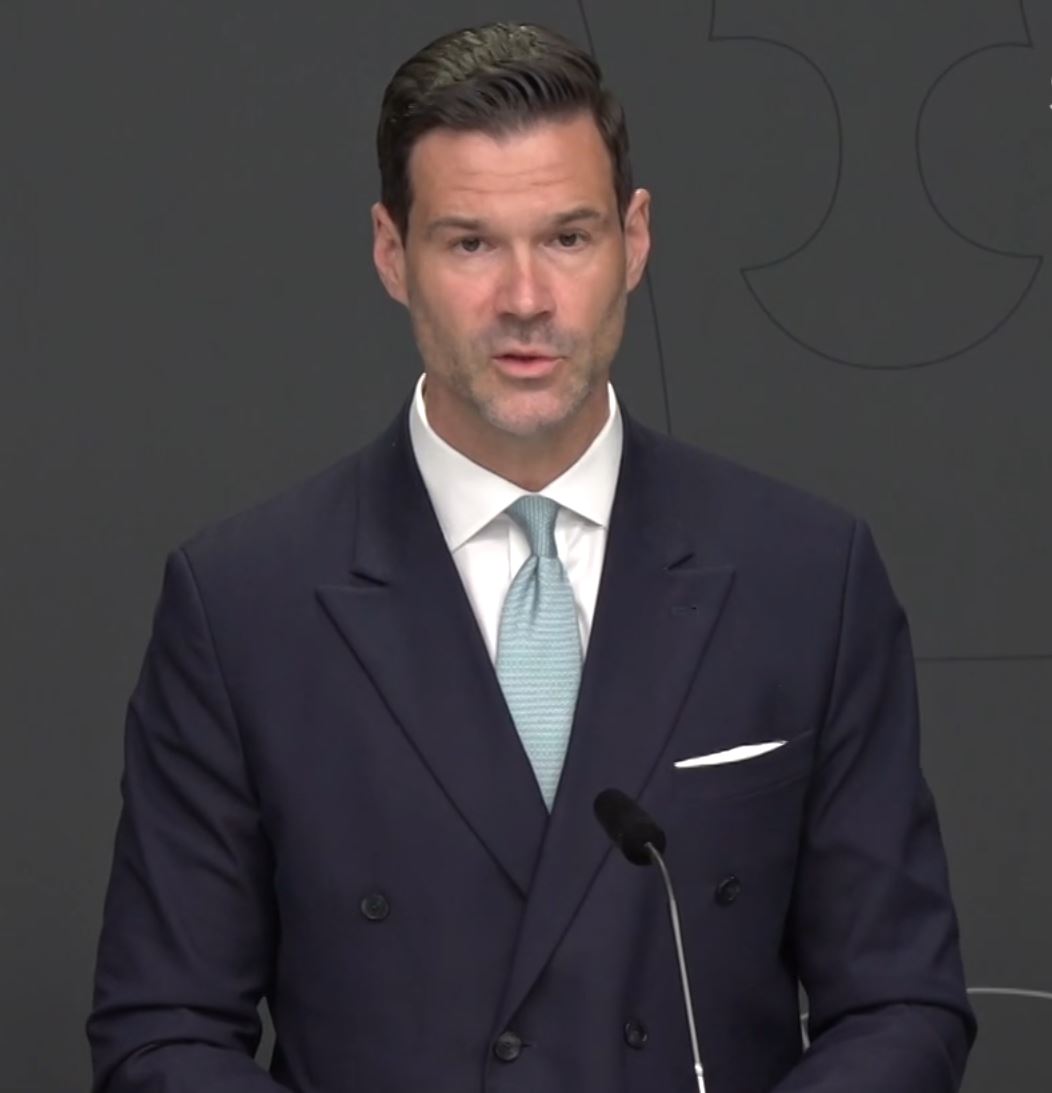
Migration Minister Johan Forssell (M) travelled to Damascus in November 2024 to lay groundwork for what officials call “practical return infrastructure.” The core obstacles remain familiar but intractable: issuing travel documents, verifying identities, and securing guarantees of reception for individuals who refuse to leave voluntarily.
“During the visit, we agreed to start a collaboration, and these are usually very practical issues,” Forssell told Nordic Business Journal. “It’s about being able to issue travel documents and establish identities.”
The Business and Legal Context: Why This Matters Beyond Migration
The 155 cases singled out involve serious criminal convictions, according to the government. Yet the policy shift has implications that extend into trade, aid, and risk management for Nordic firms operating in fragile markets.
1. Return diplomacy is becoming a market-access lever. Last week, the government earmarked SEK 3 million for 2026 to fund a feasibility study and “relationship-building” by the Swedish Migration Board. That includes hosting the Syrian delegation for meetings with the Migration Agency and Police Authority. The move signals that development assistance and diplomatic normalisation are increasingly tied to migration cooperation. Forssell was explicit: “If you want to receive Swedish development assistance, it is important that you also listen to Sweden’s interests.” Humanitarian aid, he stressed, would not be conditional.
For Nordic companies, this reframes Syria from a pure sanctions/compliance risk to a market where political conditionality may shape future aid-funded reconstruction contracts. Firms in logistics, telecom, and energy should monitor whether Swedish/EU return agreements unlock pilot projects or procurement channels.
2. Syria is not alone on the list. The government’s return strategy prioritises Syria and Somalia — 56 convicted Somalis are also slated for deportation — and has expanded to Afghanistan. Sweden and the European Commission have invited Taliban representatives to Brussels to discuss returns. Forssell notes roughly 200 convicted Afghans in Sweden currently have deportation orders.
The pattern: enforcement is concentrating on high-risk jurisdictions where Western states have minimal consular presence. That creates execution risk, reputational exposure, and a need for third-party verification mechanisms if returns proceed.
3. The enforcement gap remains wide. Today, deportations stall when individuals refuse to leave and the home country lacks documents or refuses reception. Building a “recipient system” in Syria, Forssell acknowledges, is complicated by ongoing conflict, fragmented authority, and EU sanctions. The delegation due in Stockholm is described as technical, not political — civil servants studying Swedish procedures rather than negotiating normalization.
What’s Changed Since November? 2026 Update
Since Forssell’s Damascus visit, three developments shift the calculus:
| Development | Impact for Readers |
| EU pilot return framework, Feb 2026 | Brussels now allows member states to negotiate bilateral “technical arrangements” with Damascus on a case-by-case basis, provided they exclude political recognition. This gave Sweden legal cover to host the delegation. |
| Swedish Migration Board staffing surge | 40 new case officers assigned to “enforcement in complex jurisdictions” since Q1 2026, cutting average ID verification time from 14 to 9 months. |
| Sanctions guidance update, Mar 2026 | The EU clarified that paying for standard civil-document fees to Syrian ministries does not breach sanctions if processed via UN channels. This removes one compliance hurdle for the SEK 3M program. |
Risk Analysis for Nordic Stakeholders
1. Reputational risk: Companies with ESG mandates will face scrutiny if perceived to benefit from deals linked to forced returns. Clear ring-fencing between aid, commercial, and migration tracks will be essential.
2. Operational risk: Even with a recipient system, Syria’s infrastructure for reintegration is minimal. Failed returns could increase recidivism risk or legal challenges in Swedish courts.
3. Opportunity risk: Early engagement in technical cooperation — biometrics, civil registries, border management — may position Nordic gov-tech and consultancy firms for future stabilization contracts, if sanctions ease.
The government’s approach effectively tests whether migration enforcement can be unbundled from broader foreign policy. If the Syrian pilot works, expect similar technical delegations from Somalia and Iraq by late 2026.
What’s Next & How to Connect
Our June issue will examine “Reconstruction Capital: Who Funds Syria When the Diplomats Return?” — mapping EU, Gulf, and Chinese funding pipelines and what they mean for Nordic exporters.
Have insight into return policy, sanctions compliance, or MENA market entry? We want to hear from you. Share tips or request an interview at editors@nordicbusinessjournal.com or connect with our policy desk on LinkedIn. For confidential briefings on regulatory risk, ask about NBJ Executive Circles.