
As Stockholm accelerates the launch of its first dedicated civilian foreign intelligence service, analysts weigh the strategic benefits, implementation risks, and commercial implications for the region’s defence, tech, and corporate sectors.
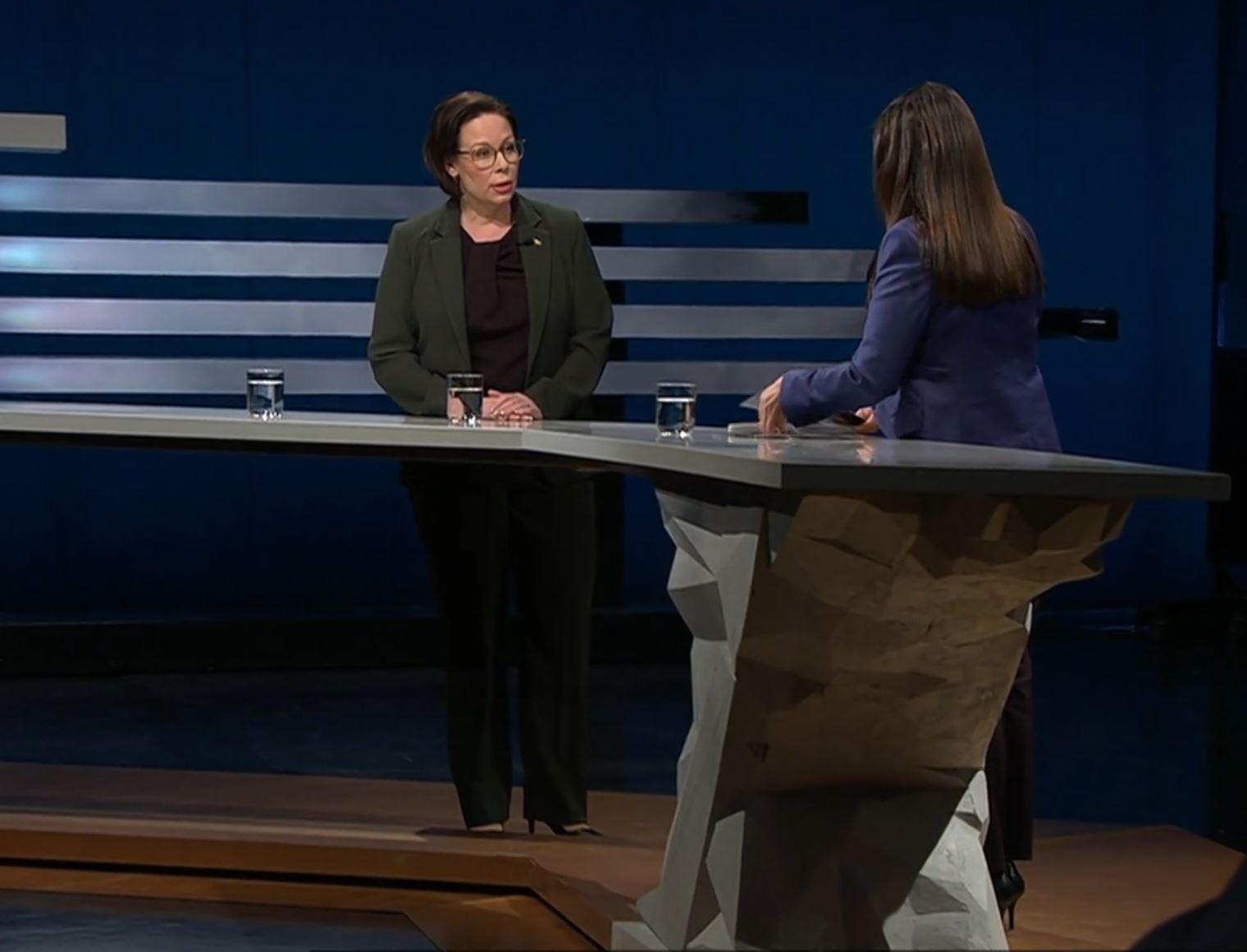
On a crisp Tuesday morning in late April 2026, Foreign Minister Maria Malmer Stenergard (M) outlined the final framework for Sweden’s long-anticipated civilian foreign intelligence authority, officially designated the Swedish Foreign Intelligence Service (Utrikesunderrättelsetjänsten) and widely referred to by its working acronym, Und. The agency is slated to become fully operational by January 2027, marking the most significant restructuring of Sweden’s national security architecture since its 2024 NATO accession.
The Strategic Rationale
The initiative originates from a June 2025 government commission chaired by former Foreign Minister Carl Bildt, which concluded that Sweden’s post-NATO reality demanded a civilian-led foreign intelligence capability distinct from the military’s Defence Intelligence Agency (MUST). With hybrid warfare, state-sponsored cyber campaigns, and economic espionage intensifying across the Baltic and Arctic regions, the government argues that a dedicated civilian service will provide policymakers with actionable, policy-aligned intelligence while clarifying the division of labour among military, signals (FRA), and domestic security (Säpo) agencies.
Notably, Stockholm has framed operational overlap not as bureaucratic inefficiency, but as a deliberate redundancy. “The serious security situation makes the need to quickly increase the overall capability of the Swedish intelligence system urgent,” Malmer Stenergard stated. The government’s position is that layered coverage reduces blind spots in an increasingly unpredictable threat environment.
Implementation Status: Where Things Stand in May 2026
As of this spring, the legislative referral has cleared the Council on Legislation, with the Riksdag expected to vote on the enabling act this autumn. Interim leadership has been appointed, and recruitment is operating at full capacity. According to ministry briefings, roughly 60% of the projected 850 initial positions have been filled, with targeted outreach focusing on linguists, cybersecurity analysts, geospatial specialists, and former diplomatic personnel.
A transitional coordination cell has been established to manage the phased handover of foreign-focused portfolios from MUST. The migration plan runs through Q3 2026, with initial analytical cells expected to begin producing classified briefings for the Government Offices by late autumn. Full operational readiness, including secure overseas liaison capabilities, is targeted for January 2027.
Critical Pushback & Oversight Debates
The accelerated timeline has drawn scrutiny from defence leadership, parliamentary oversight bodies, and independent security analysts. The Swedish Armed Forces have warned that a compressed transition could create temporary intelligence gaps, particularly in Baltic Sea surveillance, signals integration, and joint NATO tasking, which adversaries might seek to exploit.
Equally prominent are concerns regarding institutional independence. Unlike the UK’s MI6 or Germany’s BND, Und will report directly to the Ministry for Foreign Affairs. Critics argue this proximity risks politicisation or mission drift, particularly in sensitive diplomatic or economic intelligence operations. In response, the government has proposed an independent Intelligence Inspectorate with expanded audit and compliance powers, drawing on oversight models from Denmark’s FE/PET and Norway’s E-tjenesten. Parliamentary committees are also pushing for clearer statutory boundaries between foreign intelligence collection and domestic security mandates.
Business & Economic Implications
For Nordic enterprises, the launch of Und signals a broader recalibration of security risk management and public-sector procurement. The agency’s mandate explicitly covers economic espionage, critical infrastructure vulnerabilities, supply chain disruptions, and technology theft—areas directly impacting cross-border investments, R&D partnerships, and energy logistics.
Defence and cybersecurity firms are already positioning for increased procurement contracts, particularly in secure communications, AI-driven threat analytics, zero-trust data architectures, and vetted cloud environments. Swedish and Nordic tech companies with export control experience or NATO certification are likely to see accelerated onboarding into government supply chains.
Conversely, corporate compliance departments should anticipate stricter data-handling requirements, expanded vetting protocols for subcontractors, and new frameworks for public-private threat intelligence sharing. Finland’s long-standing model of structured industry-government cyber collaboration offers a likely blueprint for Sweden as Und matures.
The Nordic Context
Und’s emergence aligns with a regional shift toward specialized, interoperable intelligence architectures. With Finland and Sweden now fully integrated into NATO’s intelligence-sharing ecosystems, and NORDEFCO deepening joint analytical capabilities, Und is expected to serve as Sweden’s primary liaison for multinational threat assessments. The agency’s long-term effectiveness will hinge not only on domestic coordination but on its ability to synchronize with Allied commands, EU intelligence initiatives, and Nordic partners without duplicating existing FRA or MUST capabilities.
Looking Ahead
Sweden’s intelligence overhaul reflects a pragmatic response to a transformed security landscape. While implementation risks, budgetary pressures, and oversight debates will persist through 2027, Und’s establishment marks a strategic maturation of Sweden’s foreign policy and national security apparatus. For business leaders, defence contractors, risk managers, and policy analysts, the agency’s trajectory will shape procurement pipelines, corporate threat intelligence protocols, and regional security interoperability in the years ahead.
What’s Next in Our Coverage
Our follow-up analysis will examine how Und’s operational launch will reshape Nordic defence procurement cycles, public-private intelligence partnerships, and corporate cybersecurity compliance frameworks across the region. We will also profile the emerging market for AI-driven threat analytics and secure data infrastructure, with insights from defence contractors, risk consultants, and regulatory experts.
Stay connected with the Nordic Business Journal
Subscribe to our weekly security & policy briefing, join our Q3 2026 Intelligence & Corporate Risk Roundtable, or share your insights with our editorial team.
research@nordicbusinessjournal.com | linkedin.com/company/nordicbusinessjournal