
High interpersonal and institutional trust is a strategic asset for economies: it lowers transaction costs, speeds decision-making, underpins welfare consent and enables rapid digital and green transitions. Denmark — like its Nordic neighbours — consistently ranks among the world’s most trusting societies. For executives, investors and policymakers this social capital is both a competitive edge and a managerial responsibility. Preserving and extending trust in an era of migration, digital disruption and geopolitical strain requires deliberate policies, corporate practice and investment strategies. This article explains why trust matters now, how it translates into measurable economic benefits, where it is vulnerable, and what practical steps business and government leaders should prioritize.
Why social trust matters for business, investment and policy
Social trust — defined as confidence in fellow citizens and public institutions — is not merely a sociological descriptor. For market actors it functions like infrastructure: it reduces the need for heavy contractual safeguards and monitoring, lubricates labour market flows, and underwrites broad consent for redistributive public goods. Empirical research across decades (from cross-country growth studies to OECD analyses) links higher trust to better investment climates, lower compliance costs and faster diffusion of innovation. For investors, trust lowers political and operational risk; for firms, it accelerates partnerships and reduces cash tied up in enforcement and due diligence.
Denmark’s trust advantage: features and economic payoffs
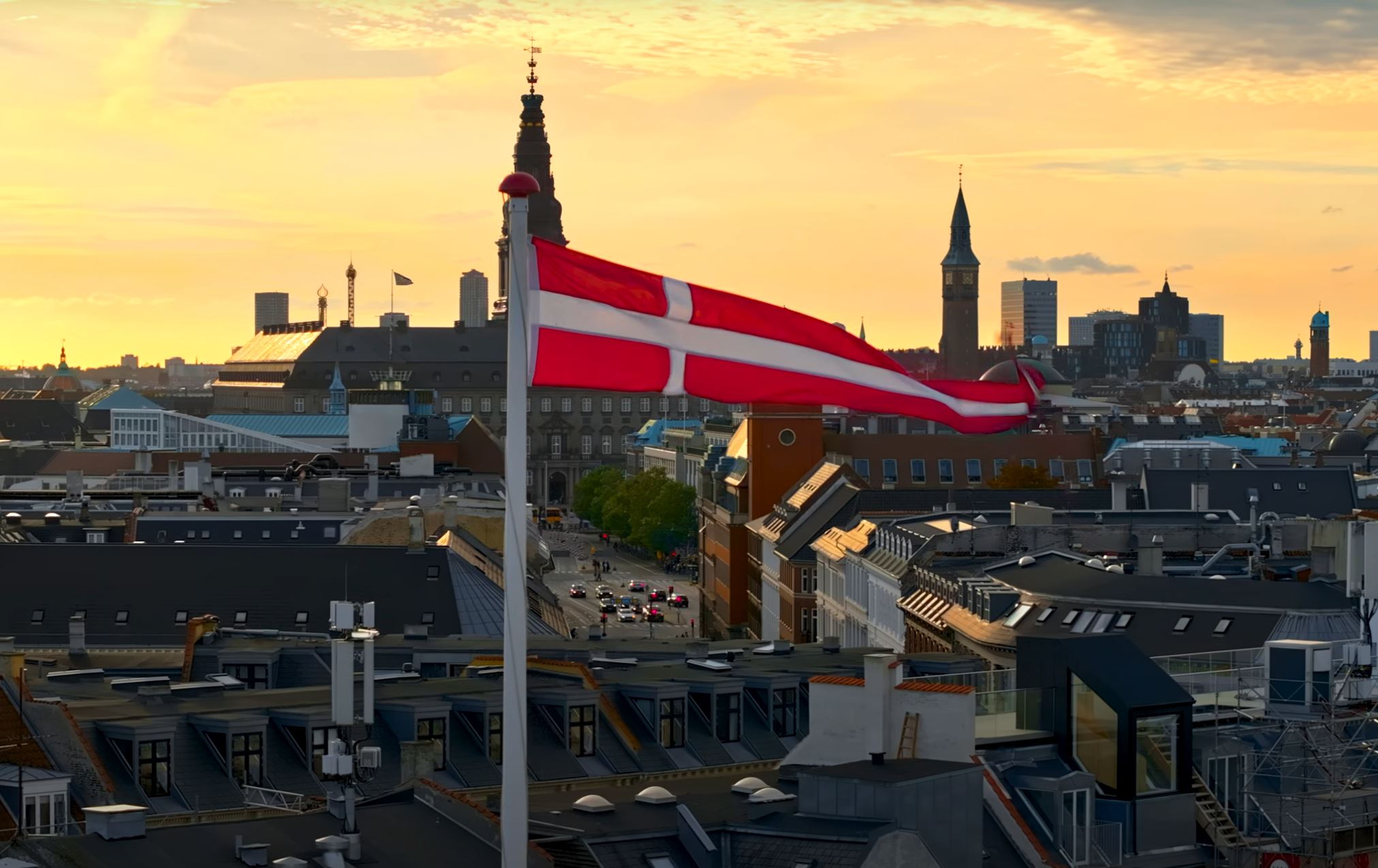
Denmark frequently appears at the top of international trust and transparency rankings. Petty examples — unattended strollers outside cafés or roadside honesty stands — capture the intuition. The institutional side is equally robust: high compliance with public health campaigns, extensive e-government uptake and broad support for the welfare state all reflect institutional trust.
Key economic effects:
– Lower transaction and enforcement costs. Firms rely more on oral agreements and reputational governance; legal and overhead expenses are comparatively lower.
– Labour market flexibility and productivity. Denmark’s “flexicurity” model — generous social safety nets combined with fluid labour regulations — benefits from trust in institutions that cushion career disruption and retraining.
– Faster adoption of digital public services. High institutional trust supports broad acceptance of e-ID, digital tax filing and public data use, which increases administrative efficiency and spurs digital innovation.
– Enabler of the green transition. Public buy-in for ambitious climate policy and infrastructure investment is easier in high-trust contexts, smoothing the path for large-scale decarbonisation projects and green financing.
Comparative Nordic perspective and recent stressors
All Nordic countries rank highly on interpersonal and institutional trust, but differences matter strategically. Finland and Denmark enjoy consistently high institutional trust; Norway’s oil wealth creates distinct fiscal buffers; Sweden has, at times, experienced more visible social and political debate over immigration and public safety that has stressed trust among particular demographic groups.
Three current stressors to watch:
Demographic change and migration: Increasing diversity and inflows of refugees and migrants test the “default trust” norms that grew in historically more homogeneous societies. Integration gaps risk creating parallel social networks with diverging trust levels.
Digital misinformation and social media: Echo chambers can corrode interpersonal trust rapidly, with outsized effects among younger cohorts and in urban electorates.
Global geopolitical uncertainty: Hybrid threats and external disinformation campaigns seek to exploit social divisions; societies with eroding trust are more vulnerable.
Implications for immigrants, employers and the labour market
High institutional trust eases access to public services for newcomers, but interpersonal trust networks remain harder to penetrate. Common obstacles include recognition of foreign credentials, language barriers and underrepresentation in informal referral networks that drive hiring. The economics are stark: employment is the primary accelerator of integration; without early labour market access, immigrants risk prolonged welfare dependency and segmented labour-market outcomes — which in turn can feed back into political pressure on welfare spending.
Strategic actions for leaders: preserve, extend and invest in trust
For policymakers:
– Invest in transparent, user-centred public services (digital and offline) to maintain legitimacy and broaden access.
– Prioritise active labour-market programmes that fast-track skills recognition, intensive language training and employer incentives for early hiring.
– Strengthen independent oversight and data transparency to pre-empt corruption and build resilience to disinformation.
For business leaders and investors:
– Incorporate trust metrics into country and sector risk assessments. High-trust environments reduce the cost of doing business and the capital required to scale.
– Make integration a strategic priority: design recruitment pipelines that target diverse talent pools, support credential recognition and partner with public employment services.
– Embed transparency and accountability in governance and supply chains; investors increasingly price ESG and governance risks tied to social cohesion.
For entrepreneurs and innovation ecosystems:
– Leverage the trust advantage to accelerate platform businesses, smart city pilots and public–private R&D projects — but design inclusion into scaling strategies to avoid creating insider networks.
– Use trusted certifications, third-party audits and interoperable digital identities to expand cross-border commerce without sacrificing compliance.
Risks and limits: complacency is the real threat
Treating trust as permanent is a strategic mistake. Erosion can be incremental and hard to reverse. Rising inequality, perceived unfairness in the labour market, poorly managed migration and opaque decision-making all corrode both interpersonal and institutional trust. In a globally connected economy, loss of trust can translate quickly into higher cost of capital, weaker consumer confidence and greater political volatility.
Why this matters now
Three near-term dynamics make trust a priority: accelerated digitalisation (and the attendant need for data governance), the green transition (which requires public consent for disruptive infrastructure and new pricing mechanisms), and heightened geopolitical competition that weaponises misinformation. Countries and companies that proactively manage social capital will find it easier to mobilise resources, attract talent and finance the transformations ahead.
Conclusion: a pragmatic agenda for a strategic asset
Denmark’s high-trust equilibrium is a competitive advantage that underpins efficiency, innovation and resilience. But it will not survive without active stewardship. For policymakers, the task is to sustain inclusion and transparency. For business and investors, the opportunity is to harness trust to lower costs and expand markets — while shouldering responsibility for equitable integration and accountable governance. In an era defined by rapid technological and geopolitical shifts, social trust is among the most durable forms of portfolio insurance a country or company can cultivate. Start treating it that way.