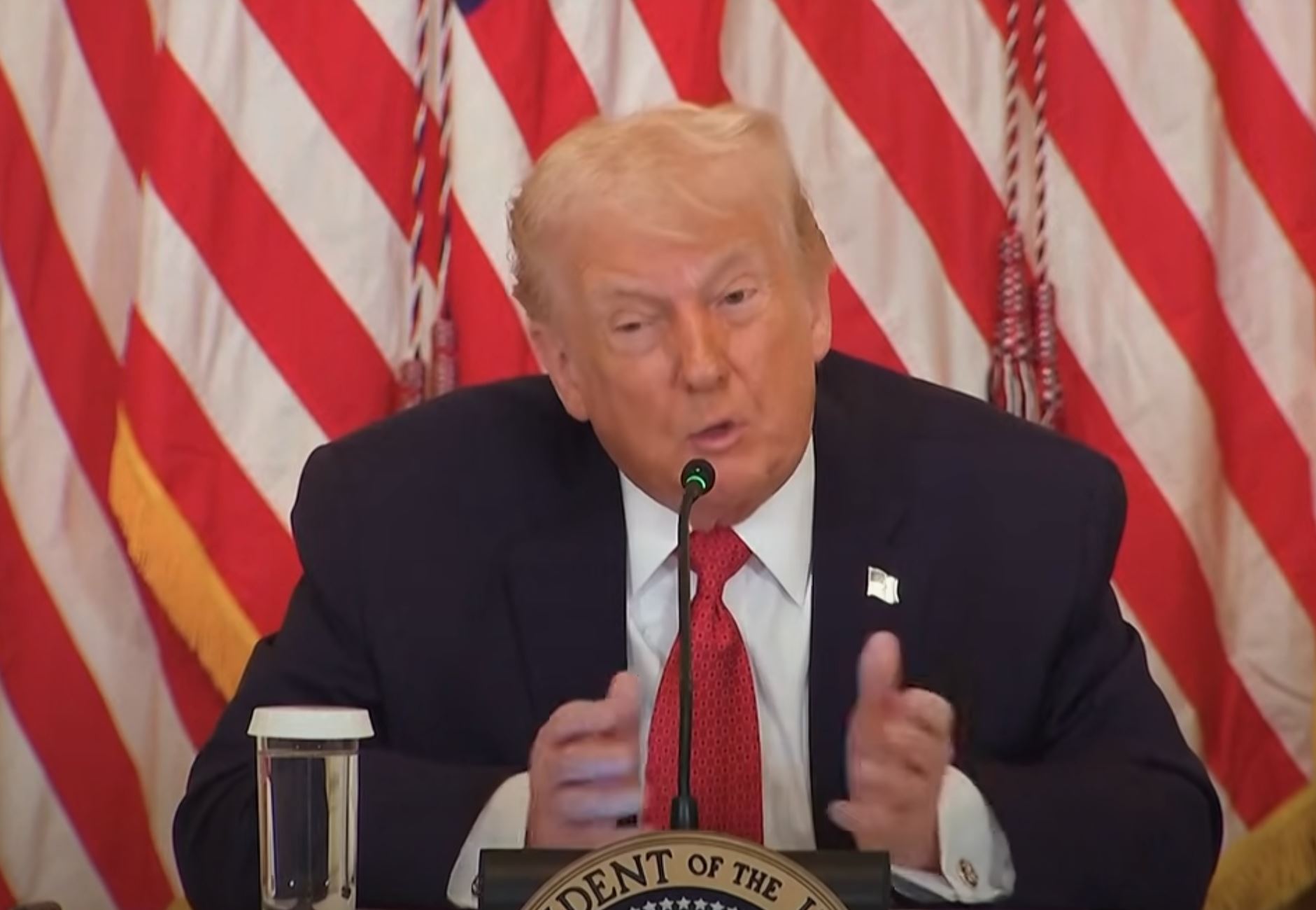
Mid‑May 2026 disclosures from the U.S. Office of Government Ethics (OGE) showing purchases of up to $680,000 in Eli Lilly stock by accounts tied to President Donald Trump have intensified scrutiny of a broader pattern: an administration strategy that uses regulatory levers, procurement pathways and tariff relief to reshape the U.S. pharmaceutical landscape. Those tactics have re‑priced winners and losers across global drugmakers, most visibly Eli Lilly and Denmark’s Novo Nordisk. For executives, investors and policy makers in the Nordics and beyond, the episode is a case study in how industrial policy, health policy and capital markets now intersect — with implications for governance, supply chains, and long‑term competitiveness.
This analysis synthesises the key disclosures and policy moves, explains their market impact, examines the business and geopolitical logic behind the deals, and outlines strategic responses for Nordic companies and international investors.
OGE disclosures and the timing question
What was disclosed: OGE financial filings published in mid‑May 2026 show up to $680,000 of Eli Lilly stock purchases across a string of seven transactions in Q1 2026. The filings tie the trades to accounts controlled by President Trump’s family trust structure, which the White House says is managed by independent brokers.
Why timing matters: Those purchases coincided closely with three consequential U.S. actions that materially improved Eli Lilly’s near‑term commercial outlook: (1) a negotiated price‑reduction deal and a three‑year tariff exemption in exchange for significant U.S. manufacturing investment; (2) CMS proposals to expand Medicare coverage of GLP‑1 weight‑loss drugs via a BALANCE pilot; and (3) unusually rapid FDA prioritisation of Lilly pipeline assets, including an expedited pathway for an oral GLP‑1 candidate.
The policy package that re‑wired market incentives
Tariff relief as bargaining currency: In late 2025, the administration extracted steep list‑price concessions from leading obesity‑drug manufacturers and offered tariff immunity to firms that committed to domestic investment plans. Eli Lilly secured a multi‑year import exemption and pledged billions to expand U.S. production capacity; that deal materially insulated its margin profile from the administration’s broader tariff posture.
Coverage expansion and demand growth: CMS’s BALANCE pilot signalled that Medicare — traditionally constrained on covering chronic‑care drugs for weight management — might open payment pathways for millions of older Americans. That prospect expands the addressable market for GLP‑1 therapies and lifts long‑run cash‑flow projections for incumbents favoured by the administration.
Regulatory acceleration: The Trump administration’s FDA prioritisation mechanisms compressed development timelines for oral GLP‑1 candidates, helping selected companies reach market faster and capture first‑mover distribution advantages.
Market consequences: winners, losers and valuation swings
Eli Lilly: market‑cap uplift and investor reaction
The combination of tariff relief, manufacturing commitments and promising regulator signals produced a meaningful market re‑rating for Eli Lilly in late 2025–Q1 2026. Aggregate equity market data through mid‑May 2026 show that Lilly’s market capitalisation expanded materially in that window — adding several tens of billions of dollars as investors reappraised near‑term revenue growth and margin resilience. That re‑rating was especially acute around discrete policy announcements and the OGE disclosure timeline, amplifying intraday and short‑term volatility.
Strategic implication: policy‑driven de‑risking of a specific supplier (via tariff relief and preferential regulatory attention) can create concentrated valuation gains that are sensitive to political risk and reputational scrutiny.
Novo Nordisk: price pressure, tariff vulnerability and pipeline headwinds
Novo’s share price experienced a severe re‑pricing through late 2025 and early 2026 as U.S. political pressure forced steep price concessions, left European manufacturers exposed to tariff threats, and heightened competition in the GLP‑1 space. The company’s February 2026 guidance — citing “extensive pricing headwinds” in the U.S. — triggered a dramatic single‑day sell‑off and subsequent waves of investor deleveraging.
Compounding the price shock: publicly disclosed pipeline volatility amplified the sell‑off. Novo Nordisk reported adjustments to clinical timelines and a postponement of certain readouts for oral GLP‑1 programmes in early 2026. Those delays — while not necessarily clinical failures — reduced market confidence in the company’s ability to regain U.S. market share rapidly against competitors benefiting from favourable policy carve‑outs and faster regulatory processing.
Strategic consequence: exposure to U.S. pricing dynamics without parallel domestic mitigation (manufacturing commitments or negotiated access) magnified Novo’s vulnerability.
Why governance and ethics now matter to markets
Conflict‑of‑interest optics: Whether the trades were directed or executed by independent brokers, the overlap between private equity moves and public policy advances erodes market trust and elevates political risk premia. Institutional investors price not only earnings and pipelines but also governance quality and policy credibility.
The regulatory‑industrial compact: The episode demonstrates a new modus operandi: Washington pairing price concessions with manufacturing and tariff concessions to accelerate onshore capacity. That creates a template for industrial policy where access to U.S. patient pools and regulatory fast‑tracking is conditioned on domestic investment — a framework with clear strategic winners and losers.
Nordic perspective: strategic implications for Nordic pharma and investors
Rebalancing U.S. strategy: Nordic firms with US‑facing franchises must reassess the tradeoffs between pricing, on‑shore investment and political engagement. For companies like Novo Nordisk, options include accelerated U.S. manufacturing commitments, more assertive local management structures, and negotiated frameworks that preclude punitive tariff measures.
Competitive positioning and innovation: The GLP‑1 era still rewards sustained innovation — combination therapies, next‑generation oral formulations and differentiated delivery systems remain attractive. Nordic companies should lean into R&D differentiation and commercial resilience rather than only price defence.
Trade and geopolitics: Tariff threats tied to health‑policy leverage introduce geopolitical risk for Nordic exporters. EU and Nordic policymakers have an interest in diplomatic mitigation channels and contingency plans for supply‑chain access.
Risks, opportunities and strategic choices
Risks
– Policy reversals or anti‑trust scrutiny could rapidly unwind valuation gains and impose fines or operational constraints.
– Reputation and governance concerns may invite investor activism and regulatory investigations into senior officials’ financial disclosures and trading arrangements.
– Export‑dependent companies face supply‑chain and margin risk if tariff regimes are used selectively as bargaining chips.
Opportunities
– Firms willing to commit to domestic manufacturing and transparent pricing can secure preferential market access and stable revenue streams.
– Investors may find mispriced assets where valuation falls overshoot fundamental recovery potential, particularly where pipeline integrity remains intact.
– There is scope for Nordic firms to partner on near‑shoring projects or co‑invest in U.S. facilities to maintain access without ceding price discipline.
Why this matters now — and what to watch
Immediate signals to monitor: updates to CMS’s BALANCE pilot, specific terms of tariff exemptions and manufacturing commitments, the pace and content of FDA priority reviews, and any regulatory or congressional probes into official trading disclosures.
Long horizon: expect a more transactional U.S. industrial policy towards critical sectors, where health policy and trade policy are integrated tools. That will reshape global pharmaceutical strategy, potentially accelerating localisation and altering global R&D and manufacturing footprints.
Conclusion — a strategic brief for leaders and investors
The mid‑2026 disclosures are not merely an ethics story; they reveal an emergent model of statecraft that links concessions on price and access to industrial policy outcomes. For Nordic companies and capital managers, the episode underlines three pragmatic priorities: (1) align commercial strategies with the new political economy of access by considering credible local investment commitments, (2) strengthen governance and transparency to limit contagion from political optics, and (3) double down on clinical differentiation to reduce vulnerability to pricing shocks.