A once-treatable infection now kills someone every 20 seconds. The pipeline for new drugs has dried up. And the global economy is sleepwalking toward a crisis that will dwarf most conventional market risks.
The Numbers That Should Worry Every Boardroom
Antimicrobial resistance (AMR) is not a distant public-health abstraction. It is a present, accelerating threat to global commerce, healthcare systems, and workforce productivity. According to the most comprehensive longitudinal analysis published in The Lancet, bacterial AMR caused 1.14 million attributable deaths in 2021 alone, with 4.71 million deaths associated with resistant infections. Since 1990, the cumulative toll exceeds 36 million lives.
The trajectory is alarming. Without decisive intervention, annual deaths directly attributable to AMR will surge by nearly 70 percent, reaching 1.91 million by 2050. Over the next 25 years, researchers forecast 39 million AMR-attributable deaths globally—equivalent to three deaths every minute.
For business leaders, these figures translate into stark operational realities. The World Bank estimates that AMR could shave $1 trillion to $3.4 trillion off annual global GDP by 2030 through prolonged hospitalisations, lost labour productivity, and agricultural disruption. Healthcare systems already strained by ageing demographics will face unsustainable cost pressures. And industries from pharmaceuticals to food production will confront regulatory, reputational, and supply-chain risks that few have adequately priced.
Why the 2030 Target Is Slipping Away
In 2024, the Lancet Series on antimicrobial resistance proposed an ambitious but necessary target: a 10 percent reduction in AMR mortality from 2019 baseline levels by 2030. Researchers now warn that this goal is unattainable through drug development alone. The pharmaceutical pipeline for novel antibiotics remains dangerously thin, and the economics of antibiotic discovery continue to deter private investment.
The core problem is structural. Antibiotics are used briefly and priced low compared to chronic therapies, yet they require the same billion-dollar development costs and regulatory hurdles. Consequently, major pharmaceutical companies have largely abandoned the field. The market for antibiotic resistance therapies, valued at roughly $9.7 billion in 2025, is growing at only 5.8 percent annually—far too slowly to match the pace of bacterial evolution.
Moreover, resistance to newly approved antibiotics often emerges within years, further eroding commercial viability. This creates a perverse incentive structure where innovation is systematically under rewarded, even as societal costs mount.
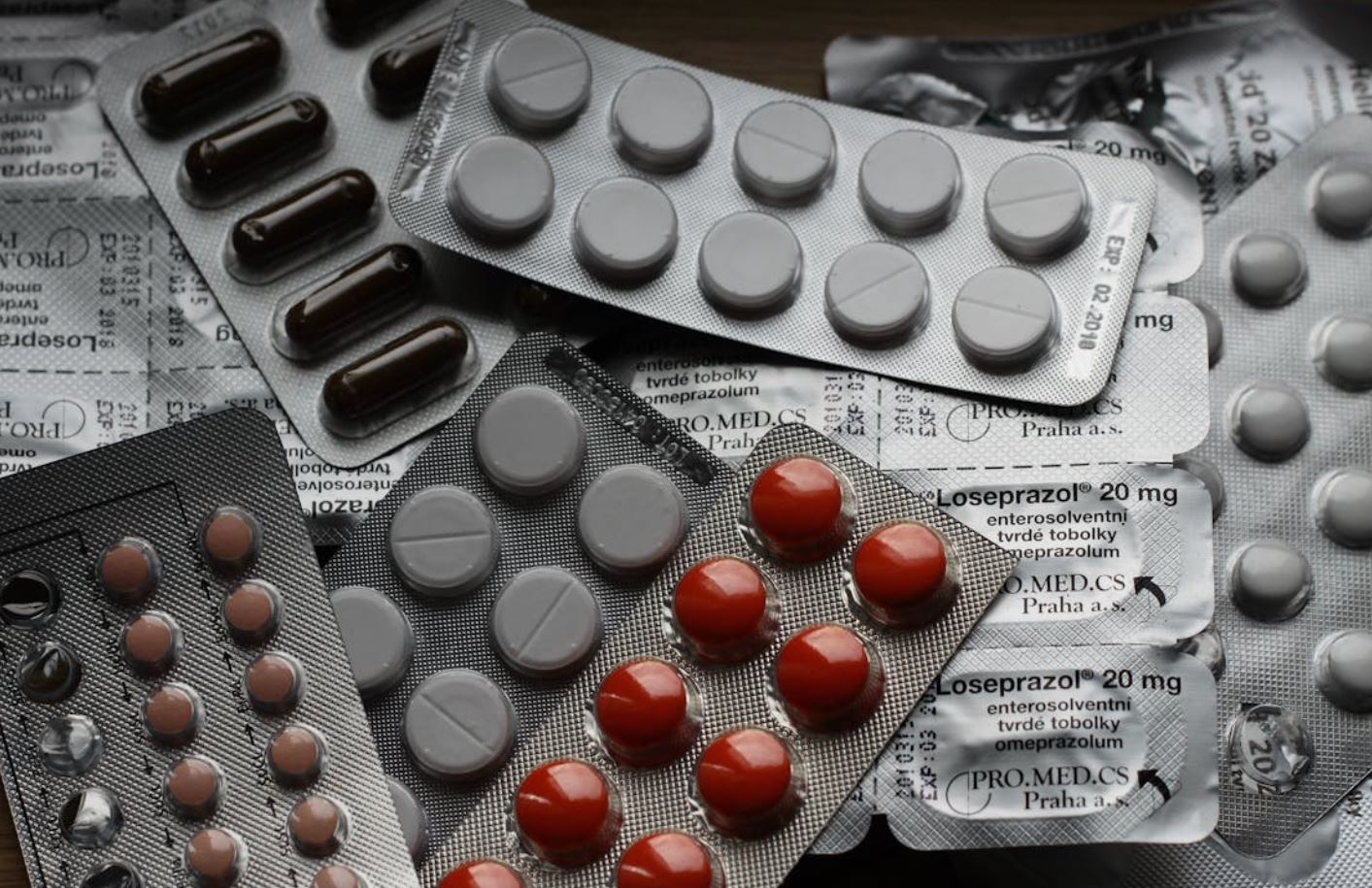
Prevention, Not Just Pills
Given these constraints, researchers argue that the 2030 target demands a fundamental strategic pivot. Rather than relying primarily on new chemical entities, policymakers and healthcare systems must scale alternative and preventive interventions with proven efficacy.
Three levers stand out:
First, infection prevention and control. Securing clean water, sanitation, and rigorous hygiene protocols in healthcare facilities can dramatically reduce the incidence of resistant infections before they require antibiotics. In low- and middle-income countries, where AMR burdens are highest, these basic infrastructure investments yield outsized returns.
Second, vaccination. Expanding immunisation coverage against preventable infectious diseases—particularly pneumonia and influenza—reduces the volume of antibiotic prescriptions that drive resistance. Every prevented infection is an antibiotic course avoided, slowing selective pressure on bacterial populations.
Third, antimicrobial stewardship. Better diagnostics, clinician training, and data-driven prescribing can curtail inappropriate antibiotic use without compromising patient outcomes. Digital health platforms and AI-driven decision support are emerging as force multipliers here, enabling real-time resistance surveillance and personalised treatment protocols.
Under a “better care” scenario modelled by the Global Research on Antimicrobial Resistance (GRAM) Project, these combined measures could avert 92 million cumulative deaths between 2025 and 2050. The economic case is equally compelling: every dollar invested in prevention generates multifold savings in downstream treatment costs and productivity losses.
The Nordic Advantage—and the Gaps
Nordic countries have long positioned themselves at the forefront of AMR governance, and the data partly validate this reputation. Denmark’s DANMAP programme, established in 1995, integrates human, animal, and food-chain surveillance into a unified monitoring system. Finland’s FiRe network, operational since 1992, remains the oldest surveillance framework in the region. Norway and Sweden have similarly robust national registries, and all Nordic states participate actively in the European Antimicrobial Resistance Surveillance Network (EARS-Net).
Yet the Nordic model is not without vulnerabilities. Recent data reveal that Sweden recorded the highest absolute counts of resistant Gram-negative isolates across multiple drug categories between 2017 and 2022, including resistance to carbapenems—antibiotics of last resort. Denmark reported the greatest prevalence of carbapenem-resistant E. coli and K. pneumoniae. Only Iceland consistently showed the lowest resistance burden.
These findings carry strategic implications. Nordic healthcare systems, despite their strengths, are not immune to the global upward trend in resistance. As populations age and cross-border mobility increases, even well-regulated systems face imported resistance and nosocomial transmission. The Nordic pharmaceutical and diagnostics sectors—home to companies like Novo Nordisk, Roche, and emerging biotech innovators—have both a commercial opportunity and a civic obligation to accelerate R&D in this space.
The Geopolitical and Investment Dimension
AMR is increasingly a geopolitical issue, not merely a medical one. The burden falls disproportionately on South Asia and sub-Saharan Africa, where healthcare infrastructure is weakest and resistance surveillance most fragmented. By 2050, these regions will account for the majority of AMR-attributable deaths globally.
For international investors and multinationals, this geographic concentration creates dual risks. Supply chains anchored in high-burden regions face workforce and operational disruptions. Emerging markets that should drive global growth will instead absorb disproportionate healthcare costs, dampening consumption and investment returns.
Conversely, the AMR crisis opens substantial markets for Nordic and European enterprises with expertise in diagnostics, vaccines, water sanitation technologies, and digital health infrastructure. The Asia-Pacific region, where resistance rates are rising fastest, represents the highest-growth market for antibiotic resistance therapies, with projected CAGR exceeding 6.4 percent. Nordic clean-tech and health-tech firms are well-positioned to capture value here—provided they move before competitors from North America, which currently dominates 50 percent of the global market.
Regulatory frameworks are also shifting. The European Union’s pharmaceutical strategy and the UK’s subscription-based antibiotic payment models are experimenting with “pull” incentives that decouple R&D returns from sales volume. The UN General Assembly’s 2024 High-Level Meeting on AMR signalled renewed political commitment, but implementation remains uneven. Investors should monitor which jurisdictions translate rhetoric into enforceable market incentives.
What Leaders Must Do Now
The AMR crisis demands action across three time horizons:
Immediate (2025–2027): Business leaders should audit supply-chain exposure to high-resistance regions, integrate AMR risk into enterprise risk management frameworks, and evaluate healthcare benefit designs that incentivise prevention over reactive treatment. Healthcare executives must prioritise stewardship programmes and diagnostic infrastructure.
Medium-term (2027–2032): Policymakers should expand the Nordic model of integrated surveillance across borders and sectors, while scaling “One Health” approaches that link human, animal, and environmental health data. Investors should direct capital toward novel therapeutic platforms—phage therapies, monoclonal antibodies, and microbiome interventions—that circumvent traditional antibiotic economics.
Long-term (2032–2050): The global community must restructure pharmaceutical incentives through advance market commitments, prize funds, and delinked payment models that reward innovation without volume-driven overuse. Digital transformation of healthcare—AI-enabled diagnostics, real-time resistance mapping, and precision prescribing—will be essential to containing resistance within manageable bounds.
Conclusion: A Test of Strategic Foresight
Antibiotic resistance is what economists call a “slow-burning” systemic risk: it escalates gradually until it triggers sudden, catastrophic tipping points. The GRAM Project’s forecast of 39 million deaths by 2050 is not inevitable. Under an optimistic scenario with accelerated drug development—particularly for Gram-negative pathogens—11 million deaths could be averted.
But achieving this requires more than scientific breakthroughs. It demands that executives, investors, and policymakers treat AMR with the same strategic urgency they apply to climate change, cybersecurity, or geopolitical instability. The bacteria are evolving. The question is whether our institutions can adapt faster.
For the Nordic business community, this is both a responsibility and an opportunity. The region’s track record in governance, innovation, and cross-sectoral collaboration provides a template for global action. The question now is whether that template can be exported—and scaled—before the silent pandemic becomes a deafening crisis.
- By The Nordic Business Journal Health Correspondent