
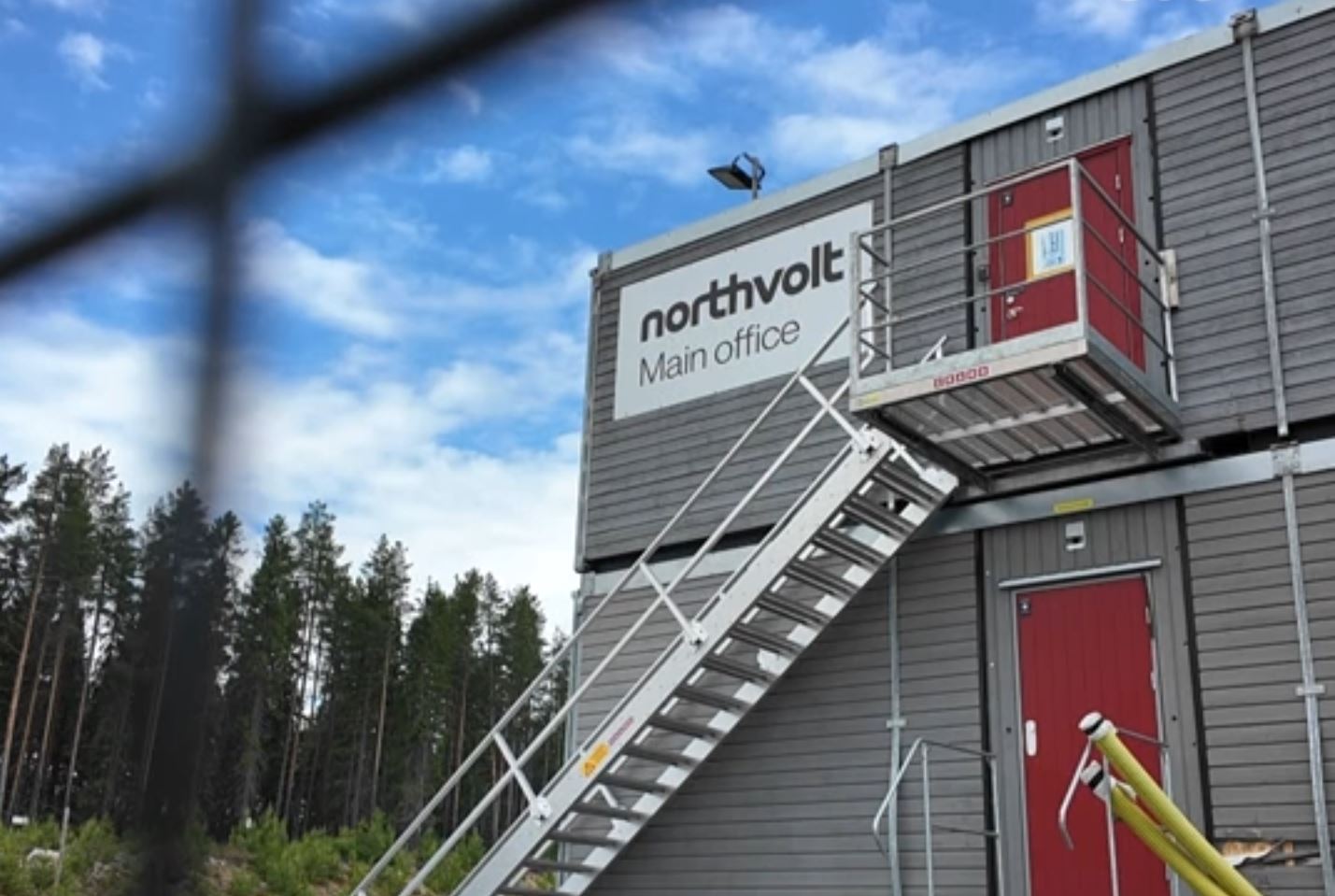
Sweden’s flagship battery manufacturer Northvolt, once a beacon for European green tech ambitions, is at a critical crossroads following its collapse into bankruptcy earlier this year. Now, the company’s future—and the fate of its former employees—hangs in the balance as the bankruptcy estate has received multiple binding bids from potential buyers, according to Swedish Radio News. The process could see a new owner stepping in as early as late summer.
Who Is Bidding and What’s at Stake?
Interest has surged not only from domestic Swedish companies but also from foreign investors across Europe, North America, Asia, and India. Bidding parties are considering acquiring not just Northvolt’s main gigafactory in Skellefteå but also its research and development hub in Västerås and even its Stockholm headquarters. With at least five international bidders in play, the bankruptcy administrator hopes to strike a binding agreement before the end of summer—an urgent timeline, as even keeping the giant facilities idle incurs substantial costs.
Will Former Employees Return?
The burning question is what happens to Northvolt’s workforce. Most production at the Skellefteå factory is already shut down, and only a skeleton crew of about 160-170 people—half of those in Skellefteå—have temporary contracts for this summer. Yet, bidders know that the complex battery manufacturing processes require highly specialized skills. Bankruptcy administrator Mikael Kubu highlighted that buyers will almost certainly want to acquire “not only machines but also the right skills”—meaning employees with deep familiarity in these processes.
Importantly, some bidders have explicitly expressed interest in rehiring former Northvolt employees if they acquire the factory. However, whether ex-employees will get their jobs back hinges on several factors:
- Which assets are bought: Some buyers may only acquire specific parts (for example, just the lab or the factory), affecting how many and which employees are needed.
- Speed of the deal: The longer the facilities remain idle, the more skills and expertise may be lost, making a swift agreement essential to any robust rehiring plan.
- Structure of the deal: If a buyer intends to restart or expand battery cell production, chances increase for significant rehiring. But if assets are broken up or repurposed, fewer opportunities may materialize.
Employee Uncertainty and Industry Implications
For Northvolt’s workforce, the situation remains fraught with uncertainty. While hope persists—bolstered by some buyers’ interest in skilled staff—the harsh reality is that not all former employees are guaranteed a return, especially if the facility’s future operation is downsized or restructured. The bidding companies must act quickly, or a talent drain could leave even a reopened site under-resourced.
Beyond individual jobs, Northvolt’s saga is emblematic of Europe’s broader struggle to cultivate its own battery industry amid global competition, production delays, and massive capital expenditures. The outcome of this sale will not only shape the futures of hundreds of skilled Swedish workers but also set a precedent for the continent’s clean-tech ambitions.