Executive summary
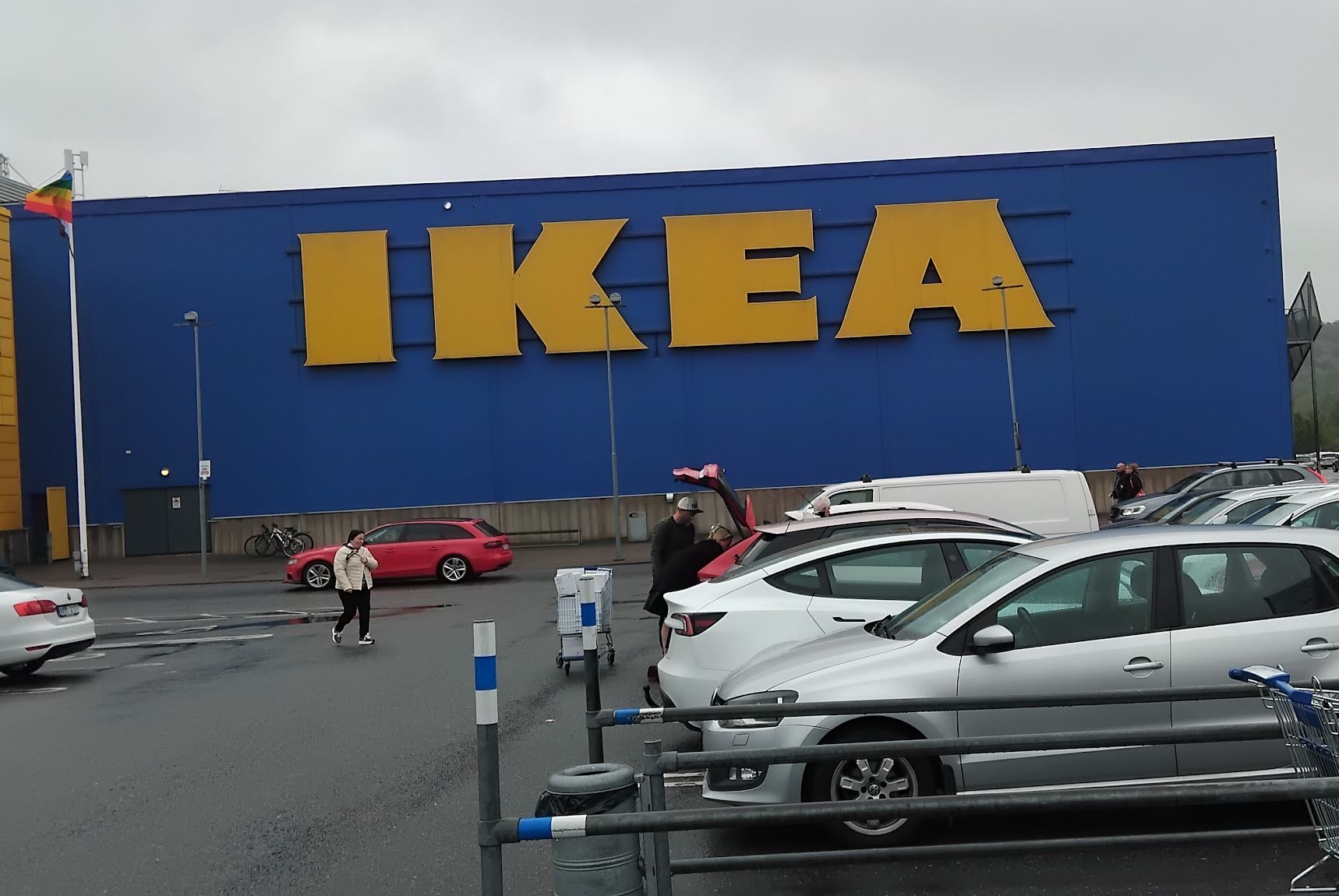
Inter IKEA, the group that owns the IKEA brand and leads product development, has announced a global cost-saving package that will remove 850 positions, roughly 300 of them in Sweden. This is the third round of reductions in recent weeks and brings the total number of at‑risk roles inside the wider IKEA organisation to roughly 2,000. The measures underscore mounting margin pressure as the group balances a strategic imperative — reducing retail prices by about 10% to win back price‑sensitive customers — against higher acquisition and operating costs driven by inflation, interest rates and trade frictions. For senior executives, investors and policymakers across the Nordics, the episode highlights challenges facing large-format, mass-market retailers navigating a turbulent macrocycle while pursuing affordability, sustainability and digital transformation.
Scope and immediate impact
Inter IKEA employs about 5,500 people in Sweden; the announced cuts will primarily affect sites in Älmhult (the company’s historic product‑development hub) with some activity in Malmö. Inter IKEA’s chief financial officer Henrik Elm framed the move as part of a broader global savings package, saying the company is seeking to “lower prices so that they can afford IKEA” — while protecting the business from unsustainably high acquisition costs. Elm said affected employees are being dealt with through agreements and consultations with labour partners; details of severance or buyout packages were not disclosed.
This is the third set of reductions announced across the broader IKEA organisation in a short timeframe. Earlier measures included a package where 945 employees were given notice and the announced closure of a department store in Borlänge impacting roughly 230 roles. Taken together, these actions represent a significant workforce adjustment for a business model centred on scale, low prices and long product cycles.
Why now: macro pressures and a strategic reset
The decision must be read against two converging pressures. First, consumer price sensitivity has hardened since the pandemic: elevated inflation has eroded real incomes in many markets, and interest‑rate rises have raised household financing costs. Second, input and logistics costs—compounded by tariffs and trade uncertainty—have increased IKEA’s acquisition cost for many items. Management’s response has been aggressive price repositioning: a targeted 10% price reduction was deployed to defend volume and maintain brand accessibility, but it has squeezed margins and required offsetting cost reductions.
For mass‑market retail, this is a classic trade‑off between market share and profitability. IKEA’s brand promise — democratic design at low cost — necessitates price discipline. But delivering that promise now requires a combination of cost optimisation, portfolio rationalisation and a rethink of the cost‑to‑serve model across stores, online channels and global sourcing networks.
Nordic labour relations and the local economic footprint
Sweden is disproportionately affected because Inter IKEA’s product development and corporate functions are concentrated there. Älmhult, the historical home of IKEA, is more than a manufacturing or administrative site; it is an R&D and design ecosystem that supports the company’s global product pipeline. Job cuts there pose not only local labour market challenges but also risks to long‑term innovation capacity if talent is lost and not replaced strategically.
Union representatives say the process is being handled with transparency and consultation; nonetheless, the social and political sensitivity is high in a country that prizes employment security and industrial dialogue. Policymakers and regional actors will need to consider active labour‑market responses — reskilling, redeployment incentives and support for entrepreneurship — to mitigate local dislocations.
Strategic implications for IKEA, franchisees and investors
For decision‑makers, several strategic themes emerge:
Profitability vs. accessibility: Ikea’s pricing move is aimed at preserving customer reach, but investors should monitor margin recovery plans. Restoration of profitability will likely depend on permanent efficiency gains rather than temporary headcount reductions alone.
Franchise dynamics: The IKEA system is a complex network of franchisors and franchisees (Inter IKEA vs. largest franchise owner, Ingka Group, among others). Cost cuts at the brand and development level have knock‑on effects across operating partners. Investors should scrutinise coordination across the system and potential uneven impacts on store economics and capital expenditure.
Supply‑chain resilience and nearshoring: Higher procurement and logistics costs have forced retailers to reassess sourcing strategies. We can expect increased focus on supplier consolidation, nearshoring for key categories, and inventory discipline — all with trade‑offs for cost and sustainability goals.
Digital and omnichannel acceleration: Cost pressure will accelerate investments in automation, AI‑enabled demand planning and digital customer journeys that lower the cost‑to‑serve. Successful execution could reduce the need for future rounds of workforce reductions.
Risks, opportunities and what to watch
Risks
– Talent erosion in design and product development hubs could blunt long‑term innovation.
– Employee morale and customer experience risk degradation if cuts are implemented without reinvestment in service and digital channels.
– Franchisee friction if central cost moves do not align with local operating realities.
Opportunities
– A disciplined cost programme can deliver structural improvements in working capital, procurement and product complexity that preserve low prices and margins.
– Reinvesting savings into digital, circular economy initiatives and sustainable product lines can reinforce brand relevance and long‑term differentiation.
– Active redeployment and upskilling could convert a liability into a competitive advantage in productivity and innovation.
Key signals for stakeholders
– Monthly and quarterly retail sales trends in core European markets and the Nordics.
– Margin recovery plans and the split between temporary and permanent cost measures.
– Details of severance, redeployment and reskilling programmes for affected employees.
– Franchisee commentary and capital‑spend guidance across the IKEA system.
– Progress on supply‑chain simplification, nearshoring and sustainability investments tied to cost savings.
Why this matters now
Retailers worldwide are navigating a narrow path: defend affordability for cost‑conscious consumers while funding the investments — digital commerce, circular business models, lower‑carbon supply chains — necessary for future growth. IKEA’s current moves are a microcosm of that tension. For Nordic executives and policymakers, the company’s actions are a reminder that even resilient, iconic brands must continuously adapt their cost base, operating model and workforce composition to sustain competitiveness in a multipolar, higher‑cost environment.
Conclusion — a strategic perspective
IKEA’s reduction of 850 roles at Inter IKEA is more than a layoff story; it is a strategic inflection point. Management has chosen to prioritise consumer affordability through price cuts, accepting near‑term structural adjustments to preserve long‑term market share. The test now is whether the organisation can translate those adjustments into durable productivity gains while protecting its innovation capacity and social licence — especially in Sweden, where the company’s roots and R&D talent are concentrated.
For investors, the focus should be on the quality and permanence of cost measures and the cohesion of the franchise system. For policymakers, the immediate priority is mitigating local labour‑market impacts through reskilling and reinvestment in regional innovation ecosystems. For executives and entrepreneurs, the episode underscores the importance of aligning pricing strategy, supply‑chain design and digital investments to withstand macro shocks without sacrificing core capabilities.
Ikea remains a powerful global brand; how it executes this next phase will determine whether price cuts translate into renewed growth or prolonged margin strain. Stakeholders should watch closely for concrete plans that balance efficiency with long‑term investment in the people, processes and technologies that will define retail winners in the decade ahead.