
Executive Summary
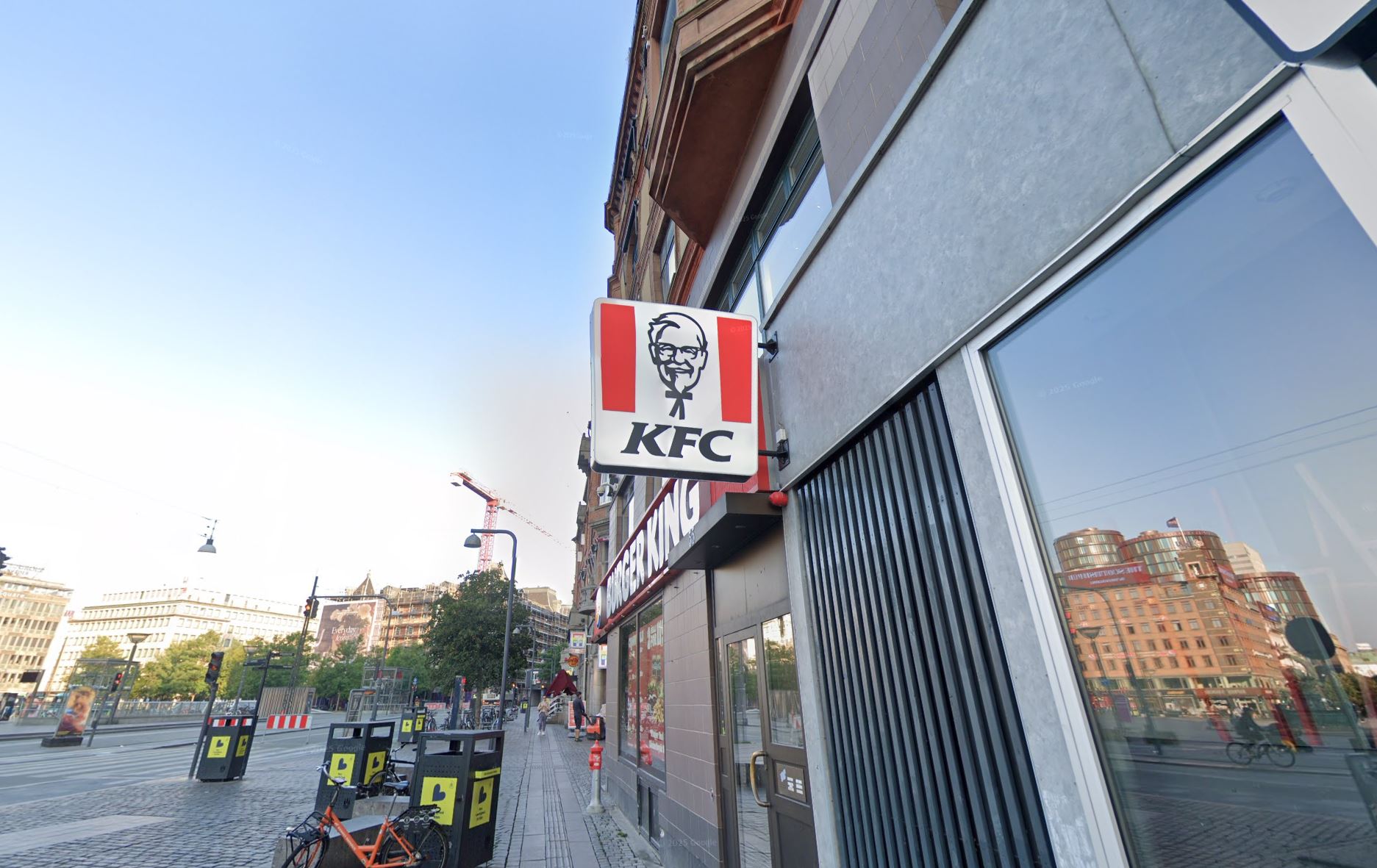
Kentucky Fried Chicken has vanished from Denmark overnight after the collapse of its sole franchisee, Isken ApS. The company filed for bankruptcy on 18 July 2025, ending a 39-year local presence that once spanned 11 restaurants and employed hundreds. The fall followed weeks of brand-damaging headlines: DR’s investigative programme Kontant revealed employees were routinely peeling back “use-by” labels on thawed chicken, and Danish inspectors slapped every outlet with the lowest food-safety grades. KFC’s Western European office moved first—terminating all franchise agreements in late June—only to see Isken pushed into formal insolvency weeks later. A new operator must now be found if Danish consumers are ever to see the Colonel’s buckets again.
Timeline of a Collapse
- 23 June 2025 – DR Kontant airs hidden-camera footage showing staff instructed to relabel chicken and reuse breading mix well past legal limits.
- 24–25 June – Danish Veterinary and Food Administration raids all 11 restaurants; none receive an “all-clear”. Seven receive strict warnings and four face fines or immediate closure.
- 25 June – KFC’s Western European division announces the immediate termination of its franchise contract with Isken ApS and orders all Danish outlets to close.
- 26–27 June – Despite the order, several restaurants keep fryers running until local police enforce closure.
- 18 July – Isken ApS is declared bankrupt after a creditor petition; notice appears in Statstidende.
- 24 July – Court-appointed trustees open a formal sale process for the franchise rights and remaining assets.
Financial Snapshot
Isken Aps, wholly owned by Icelandic entrepreneur Bjartmar Þorsteinsson, never filed public accounts, but industry sources estimate annual Danish revenue at DKK 150–200 million (≈ €20–27 million). Intercompany loans and cash-flow pressure from lockdown-era losses left the firm unable to absorb the sudden loss of sales after the forced shutdown. Total liabilities are expected to exceed DKK 30 million when the trustee’s report is released next month.
Operational Aftermath
- All 11 locations remain padlocked; furniture, kitchen equipment and frozen inventory are being valued for auction.
- 220 full- and part-time staff have been formally dismissed under Danish insolvency rules; wage arrears for June are now an unsecured claim.
- KFC Global has already started vetting prospective franchisees, stressing “robust food-safety culture” and minimum €10 million liquidity. Interested parties have until late September to submit bids.
Strategic Implications for KFC Global
Denmark was one of the chain’s smallest European markets, but the scandal is reverberating regionally. Analysts note that Yum! Brands (KFC’s parent) has spent the past three years repositioning its European portfolio toward asset-light, multi-unit operators; the Danish debacle underscores the risk of single-franchise concentration. Yum! will likely demand joint-venture or corporate-owned structures in future Nordic deals, raising entry barriers for smaller players.
Market Reaction & Next Steps
Real-estate brokers report at least three Nordic hospitality groups—two private-equity-backed and one publicly listed—are preparing non-binding offers. The trustee hopes to conclude a sale by December 2025, potentially saving 150–180 jobs if a reopening is phased in Q1 2026. Until then, Danish fried-chicken fans face a bucket-free hiatus—and rival chains such as Popeyes and Jollibee are already scouting prime Copenhagen sites.
Bottom Line
A single failure in food-safety compliance has torpedoed a four-decade franchise and handed KFC Global a costly lesson in oversight. Whoever wins the auction will inherit not just 11 dark kitchens, but the daunting task of rebuilding a tarnished brand in one of Europe’s most hygiene-conscious markets.