
As the transatlantic relationship faces mounting pressure, US President Donald Trump has stated there is a “50/50 chance—or possibly less” that the United States and European Union will reach a new customs agreement before the rapidly approaching August 1 deadline. This assertion came as Trump prepared to travel to Scotland, where he will meet European Commission President Ursula von der Leyen to discuss “transatlantic trade relations and how to keep them strong”.
The Stakes: Tariffs on the Horizon
Tensions have sharply escalated after months of negotiations failed to yield a comprehensive trade deal. Earlier in July, Trump announced that a 30% tariff would be imposed on most EU goods entering the US beginning August 1 if no agreement is reached. These tariffs are part of a broader, more protectionist trade policy intended to reduce the US trade deficit and protect domestic industry, but they have rattled global markets and drawn strong criticism from major US trading partners.
In response to these threats, EU leaders have indicated they are prepared to impose proportionate countermeasures affecting up to €93b in US exports should talks collapse, raising the spectre of a full-scale transatlantic trade war.
The Negotiations: What’s on the Table
Reports from EU officials suggest a possible compromise: a framework deal that would establish a baseline 15% tariff on EU goods entering the United States—half the level initially threatened by Trump—as well as targeted higher tariffs on certain strategically sensitive products such as steel and automobiles. This framework would mirror aspects of recent US trade agreements with other major partners, such as Japan and the UK, allowing both sides a partial reprieve while leaving room for further negotiation.
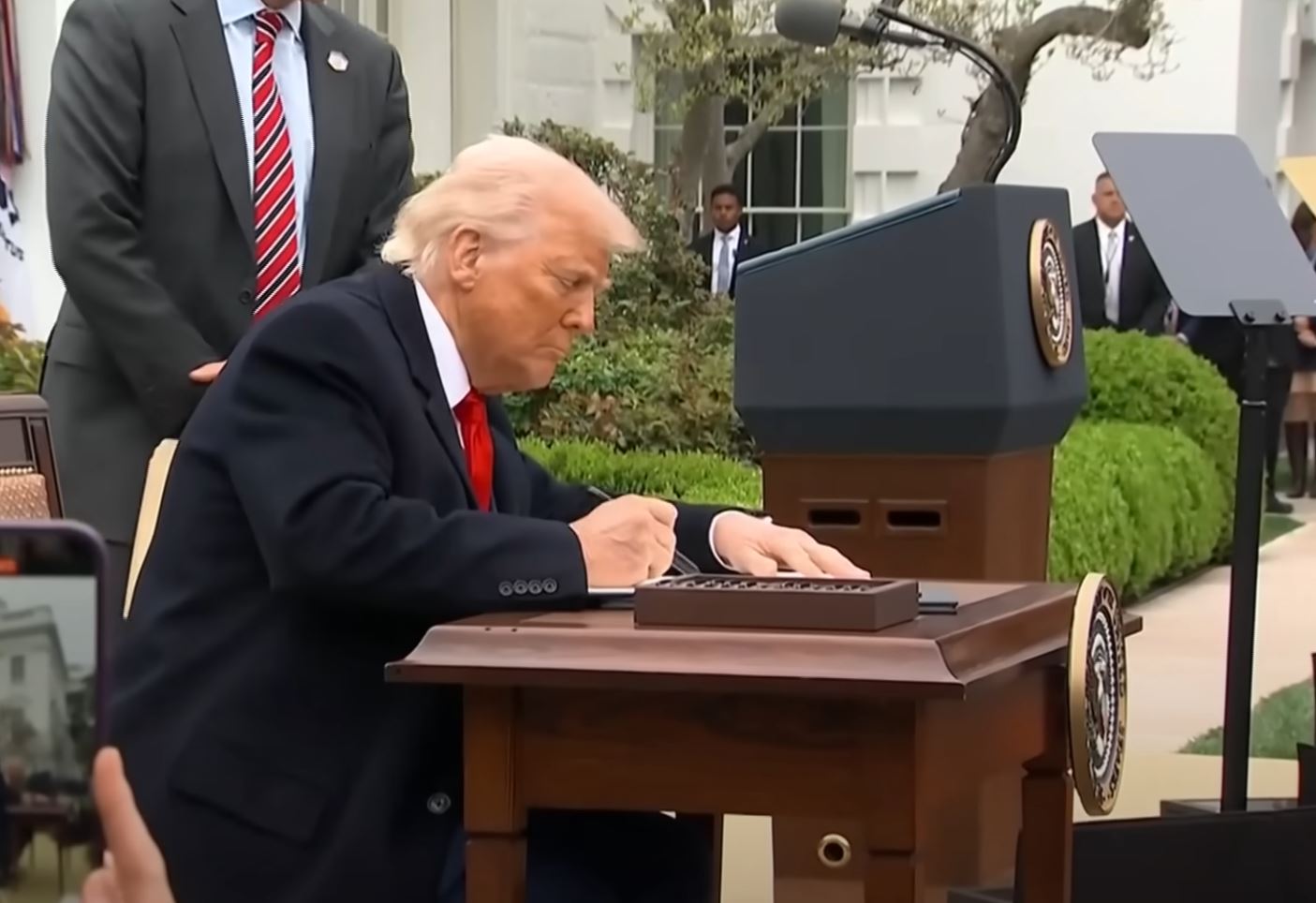
European officials remain cautiously optimistic, publicly stating that a trade deal is “within reach,” though they acknowledge that the final decision rests with President Trump. “The decision is essentially in Trump’s hands now,” noted one Brussels insider.
Behind the Odds: Trump’s Calculus
Trump’s stated 50/50 odds reflect deep uncertainty about bridging transatlantic policy divides over tariffs, market access, and regulatory standards, as well as political considerations on both sides of the Atlantic. The US is seeking not only tariff reductions from the EU but also broader market access for American goods and services, while the EU is determined to avoid exposes its manufacturers to what it sees as unfair, unilateral US trade measures.
Both sides face domestic political pressure. The US administration touts tariff revenue gains and jobs protection, while prominent EU members, led by Germany, urge quick compromise to shield vital industries, even as others, such as France, resist what they perceive as a one-sided deal.
The Road Ahead
Trump and von der Leyen’s meeting in Scotland is widely seen as a last-ditch attempt to avert a damaging tariff escalation on August 1. Their talks will likely focus not only on customs issues but also on broader transatlantic trade concerns and the future economic relationship between the world’s two largest markets. While a framework deal remains possible, the risks of failure—and a subsequent trade war—remain significant.
Both governments have signalled willingness to continue negotiating, and any agreement reached this weekend would likely be partial and provisional, buying time for more comprehensive talks in the months ahead.
If no agreement emerges from the Scotland summit, billions in new tariffs will take effect, potentially disrupting supply chains, increasing costs for consumers on both sides of the Atlantic, and injecting new volatility into global markets.