
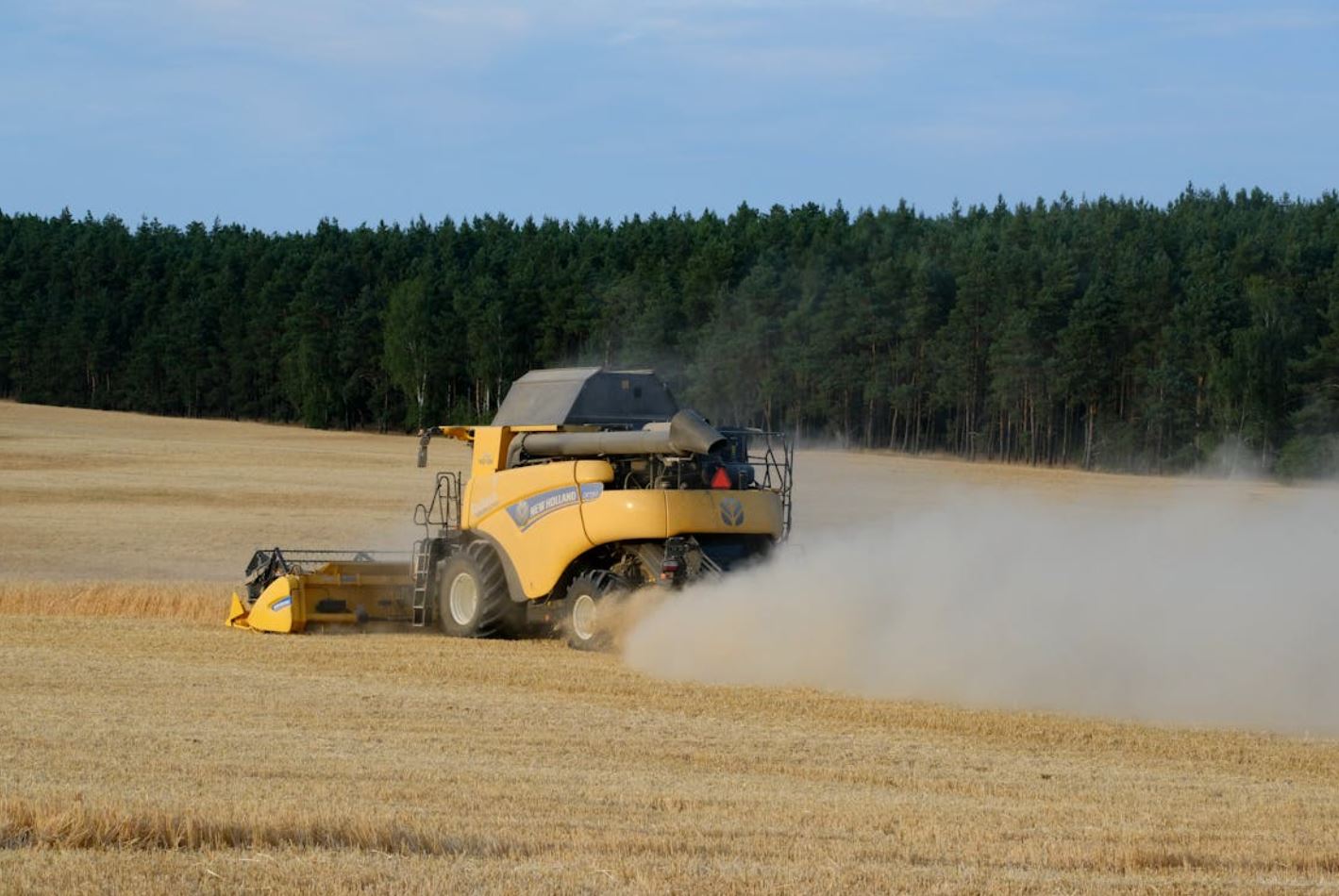
The Nordic grain sector stands at a pivotal moment as this year’s harvest is projected to reach 5.9 million tonnes—a 14 percent increase from last year and the strongest yield in half a decade. While this represents a triumph for production, the influx of supply is expected to reverberate across commodity markets, pricing structures, and export strategies.
Market Implications of Abundant Supply
The bumper harvest will inevitably shift the balance of the Nordic grain market. Key trends are emerging:
- Downward Pressure on Prices: With domestic supply outpacing previous years, buyers in milling, feed, and processing industries will face a favourable pricing environment. Farmers, however, may confront tighter margins unless export volumes absorb the surplus.
- Stronger Bargaining Power for Buyers: Food producers and feed manufacturers now have the leverage to negotiate more competitively for raw inputs, potentially securing longer-term contracts at reduced rates.
- Storage and Logistics Stress: Grain handling infrastructure may be stretched as cooperatives and traders adjust to larger-than-usual volumes. Investment in additional storage and export capacity will be critical.
Export Opportunities
Nordic grain producers may look increasingly outward to maintain profitability. European demand remains steady, particularly in countries exposed to adverse weather this season. Simultaneously, Asian markets are demonstrating robust appetite for high-quality Nordic barley and oats, offering an opportunity for the region to diversify its trade relationships.
However, global competition is fierce. Lower-cost producers in Eastern Europe and the Black Sea region continue to dominate with aggressive export pricing. To stay competitive, Nordic exporters will need to emphasize quality, traceability, and the sustainability credentials of their harvest.
Financial Outlook for Farmers
While overall production is strong, the financial picture is mixed:
- Margins Under Pressure: A decline in market prices could offset yield gains, challenging farm-level profitability.
- Hedging and Forward Contracts: More producers are expected to turn toward futures markets and forward sales to lock in stable prices and reduce volatility risk.
- Input Cost Relief: A large harvest could help spread fixed costs over higher volumes, partly mitigating the squeeze from elevated energy and fertilizer prices.
Strategic Outlook
For agribusiness leaders, this year’s harvest underlines the cyclical nature of commodity markets: prosperity in yields does not always translate into profitability. The coming months will test the industry’s ability to manage oversupply, secure advantageous export channels, and stabilize farmer incomes.
Ultimately, the winners in this cycle will be those who can leverage the Nordic grain sector’s reputation for high quality and sustainability to secure new market share abroad, while carefully navigating the risks of domestic price softening.