
Sweden’s reputation as an attractive destination for international students is increasingly being questioned as the country faces a mounting student housing crisis. While Swedish universities continue to welcome thousands of students from around the world, the availability and affordability of student accommodations have become critical challenges, impacting both local and international students alike.
In many of Sweden’s major university cities—Stockholm, Gothenburg, Lund, Uppsala, Malmö, and others—the shortage of student housing has deepened. Eleven university cities are now on a “red list” according to the Swedish National Union of Students (SFS), indicating they cannot guarantee accommodation within six months of enrolment. This shortage disproportionately affects newcomers, including international students, who often lack local contacts, personal identity numbers, or the months-long queue positions necessary to secure housing in competitive markets.
The financial strain is severe. For instance, rents for a second-hand one-bedroom apartment in the larger study locations now average between 7,000 and just over 9,000 SEK per month. Meanwhile, rents within officially designated student housing have also risen sharply in 2025, further squeezing student budgets. The SFS recommends that student rent should not exceed 35% of a student’s income, including study grants and housing allowances, yet the reality falls short of that goal.
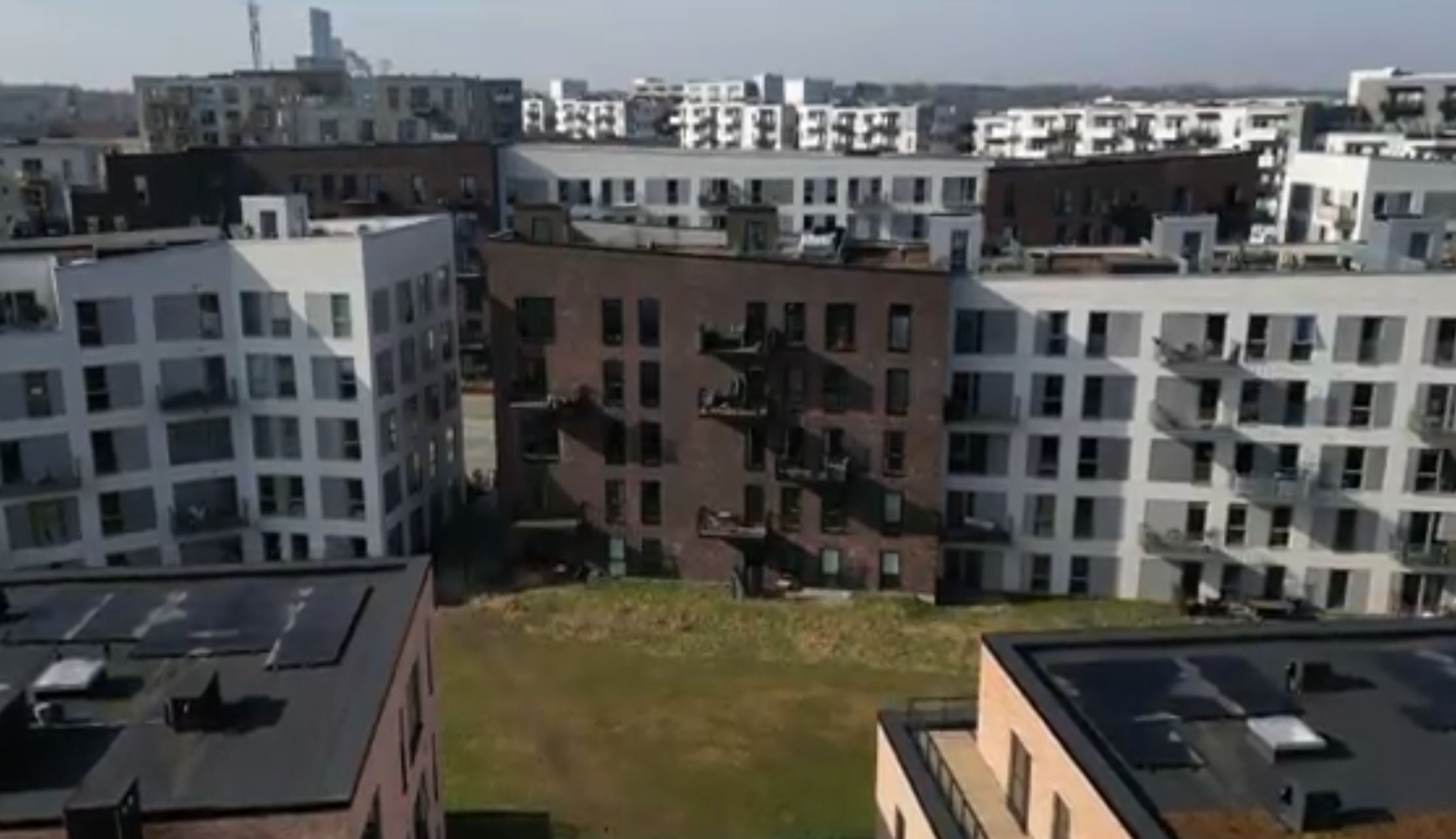
The crisis is multifaceted. Rising construction costs have made affordable student housing less profitable for contractors, resulting in fewer new units being built. Projects for new student housing have declined from an expectation of 5,300 units in 2023-2024 to about 2,600 planned for 2024-2025, worsening the supply deficit. The shortage has behavioral consequences: one in four prospective students reportedly consider foregoing education due to a lack of housing options.
Despite some university guarantees, many groups such as part-time students, exchange students, and those already living locally are often excluded from housing offers. Many argue this reflects mismanagement in housing policy rather than purely a market failure. For example, the legal categorization of “student housing” is seen by SFS as outdated and restrictive, suggesting that more flexible housing options should be created that better reflect diverse student needs.
Sweden’s competitiveness as a study destination is at risk. While the country offers high-quality education, the inability to provide affordable and accessible housing could drive students to alternative countries with more stable housing markets. The government and municipalities face increasing pressure to invest in affordable housing construction, reform housing allowances to be more responsive, and shorten bureaucratic processes.
In conclusion, Sweden’s student housing situation is a blend of crisis and mismanagement. The scarcity and high cost of housing threaten to undermine the country’s appeal for international students and complicate life for locals. Resolving this requires coordinated government action, increased investment, flexibility in housing policies, and a renewed focus on student welfare to maintain Sweden’s position in the global education arena.