
Ørsted’s flagship U.S. offshore wind project has been thrown into uncertainty after federal regulators ordered work to stop, citing national security concerns. The move halts construction on Revolution Wind, a $1.5 billion project off the coast of Rhode Island that was within sight of completion.
The Bureau of Ocean Energy Management (BOEM) issued the stop-work order on August 22. Although the agency did not specify the precise risks under review, the language invoked “national security and maritime-use considerations.” All construction must remain frozen until that review is complete.
For Ørsted, the timing could not be worse. Revolution Wind was already about 80 percent complete, with 45 of its planned 65 turbines installed and grid connections well underway. Once operational, the project was expected to deliver power to more than 350,000 homes across Rhode Island and Connecticut and play a central role in both states’ climate strategies.
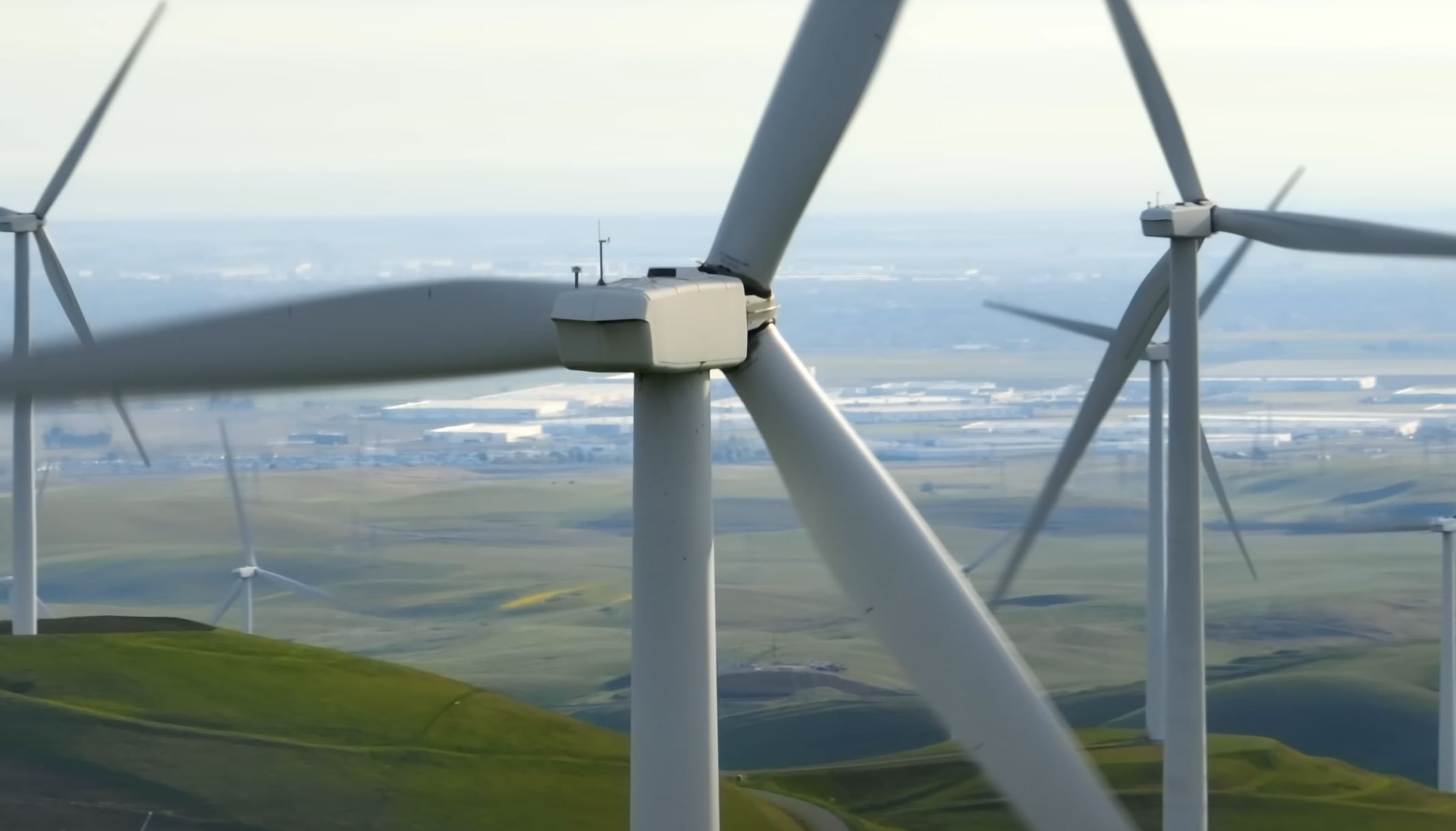
The sudden pause threatens both economics and credibility. Ørsted, already under financial strain, is finalizing a $9.4 billion refinancing package to stabilize its balance sheet after years of rising costs, supply chain delays, and policy shifts in the U.S. offshore wind market. Analysts say that a prolonged delay at Revolution Wind could undercut cash flow and investor confidence at a time when the Danish developer can least afford it.
The intervention is also reverberating through the wider offshore wind industry. Developers and investors have spent the past decade treating the U.S. market as a growth frontier, backed by state-level clean energy mandates and federal incentives. Yet the regulatory about-face—halting a project that had already cleared years of permitting, survived multiple environmental reviews, and advanced deep into construction—has raised alarm. The Global Wind Energy Council has warned the move risks chilling investment and undermining U.S. credibility as a stable market for renewable energy.
Political fallout has been swift. Rhode Island Governor Dan McKee called the order “deeply disruptive” to local workers and supply chains. Connecticut Governor Ned Lamont pledged to challenge the decision in court, arguing that the project is essential for the region’s energy security and climate commitments. Senators Chris Murphy and Richard Blumenthal of Connecticut joined in, saying the federal action threatens union jobs and weakens momentum on clean power.
This is not the first time the administration has intervened. Earlier this summer, BOEM halted construction of Empire Wind, a project led by Equinor and BP off New York. That decision was later reversed after pressure from state and industry officials. Whether Revolution Wind follows the same path remains to be seen, but for now the uncertainty looms over a project that was supposed to be a model of progress.
Bottom line: Revolution Wind is more than a set of turbines off the Rhode Island coast. It represents billions in investment, thousands of jobs, and a test of whether the U.S. can deliver on its offshore wind ambitions. By freezing the project at the 11th hour, regulators have not only placed Ørsted in a precarious financial position, but also shaken confidence in America’s commitment to clean energy development.