
Swedish truck manufacturer Scania has announced plans to cut 750 jobs, primarily affecting employees in Södertälje, as part of a major organizational restructuring aimed at adapting to shifting market conditions and technological change.
The layoffs, described by company leaders as “one of the worst things an employer can face,” are framed as a necessary step to maintain competitiveness in an increasingly uncertain global environment. According to Jeanna Tällberg, Human Resources Manager at Scania, all affected positions are currently based in Södertälje, with 400 roles in the HR, People & Culture division and 350 in commercial units set to be eliminated.
In a press release, Scania emphasized that the decision stems less from immediate financial crisis and more from long-term strategic reorganization. “Our environment is changing rapidly through technological development, regionalization, and new market dynamics,” said Christian Levin, President and CEO of Scania. “To remain strong in the future, we must evolve our ways of working and reassess how we are structured. This is a difficult but necessary decision.”
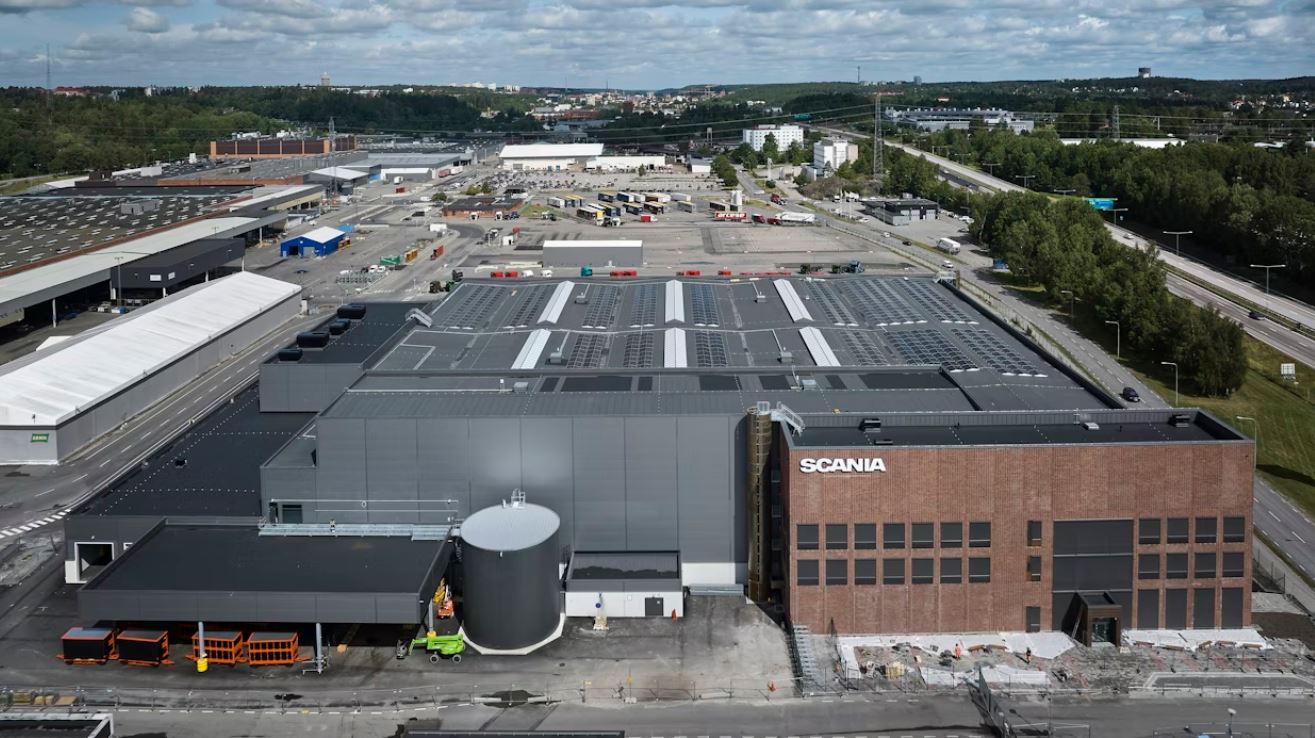
While global uncertainties—such as trade tensions, geopolitical conflicts, and fluctuating demand—have played a role, Scania stresses that the move is primarily driven by internal restructuring rather than a sudden downturn. Earlier this year, the company noted that global instability had already begun to impact order intake, prompting a slowdown in production during the autumn months.
Erik Bratthall, Scania’s press manager, confirmed that the workforce reduction will largely result from non-renewal of fixed-term contracts expiring in October and November. Although the company did not disclose exact numbers when initially contacted by SVT Södertälje, the broader impact is now clear.
Despite the cuts, Scania remains agile. “We are fully prepared to scale up operations quickly if market demand recovers,” Bratthall added, highlighting the company’s ability to adapt to changing conditions.
The news has been met with concern from employee representatives. Christina Widén, chairwoman of the Academic Association at Scania and Traton—representing around 4,000 members, mostly engineers—called the layoffs “an unusual and very regrettable situation.” She emphasized that these employees are vital to Scania’s innovation and transition toward sustainable transport. “Our members are key to managing this transformation and building a resilient company for the future,” she said.
Compounding Scania’s challenges is the recent bankruptcy of Northvolt, a key supplier of battery components for its electric truck production. As reported by Dagens Industri (DI), this disruption has delayed Scania’s ability to fulfil prior orders for electric vehicles—a setback that underscores the fragility of supply chains in the green transition.
The job reductions mark a significant moment for Scania, a company long regarded as a cornerstone of Sweden’s industrial sector. While leadership insists the move is strategic and forward-looking, the human cost remains substantial. For now, Scania is focused on supporting affected employees through the transition while positioning itself for long-term resilience in a rapidly evolving automotive landscape.