
By Our Financial Markets Analyst
In 2025, the Swedish krona (SEK) has emerged as one of the world’s strongest currencies, appreciating by approximately 12% against the U.S. dollar (USD) since the beginning of the year—the most significant gain since 1993. While this surge reflects confidence in Sweden’s stable public finances, robust economic outlook, and narrowing interest rate differentials with the United States, it has also created unexpected headwinds for Swedish investors, particularly those invested in foreign markets.
At a time when U.S. stock markets are scaling record highs—fuelled by strong performances from American tech giants and a resilient domestic economy—Swedish investors have found their returns diminished. Despite impressive gains in dollar-denominated equities, the substantial appreciation of the krona has eroded much of the benefit when those returns are converted back into SEK. In effect, Swedish investors lost about 12% of their potential returns on U.S. equity investments solely due to adverse currency movements.
A Strong Currency, Mixed Blessings
The krona’s strength is rooted in several macroeconomic factors:
- Sound fiscal policy: Sweden’s low public debt and disciplined budgeting have bolstered investor confidence.
- Positive domestic economic outlook: Solid growth prospects and labour market resilience support the currency.
- Narrower interest rate spreads: As the U.S. Federal Reserve maintained a more dovish stance amid inflation concerns, while Sweden’s Riksbank held relatively firm rates, the incentive to hold USD weakened.
- Global de-dollarization trends: Geopolitical uncertainties and shifts in capital flows have prompted investors worldwide to diversify away from the greenback, further weakening the USD against currencies like the SEK.
These dynamics have made imports cheaper, easing inflationary pressures in Sweden and allowing the central bank to keep borrowing costs lower than they otherwise might have been—an advantage for consumers and borrowers alike.
However, this same strength poses challenges for export-oriented Swedish companies and investors with international portfolios. For the latter, the strong krona acts as a drag on foreign investment returns, turning what should be a windfall from booming U.S. markets into a muted outcome in local currency terms.
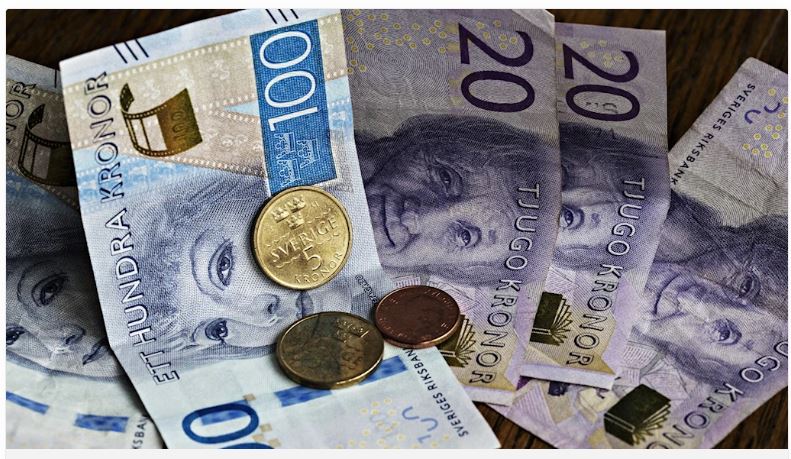
The Hidden Cost of Foreign Returns
Consider an example: a Swedish investor who earned a 20% return on a U.S. equity portfolio in dollar terms over the first half of 2025. With the krona rising 12% against the dollar during the same period, the return when converted back to SEK drops to just 8%. In essence, nearly two-thirds of the gain is wiped out by currency translation.
This phenomenon underscores a growing dilemma for investors in countries with smaller, stronger currencies: even when global markets perform exceptionally well, domestic currency strength can significantly dilute those gains. For Swedish pension funds, insurance companies, and retail investors alike, this has meant “missing out” on a major bull run—not because of poor asset selection, but due to uncontrollable currency movements.
Hedging: A Cost-Effective Shield Against Currency Risk
Given the magnitude of these losses, the case for currency hedging has never been stronger. Hedging strategies—such as using currency forwards or FX swaps—allow investors to lock in exchange rates and protect against adverse currency moves, like the SEK’s rapid appreciation.
While hedging is not free, its cost is relatively modest. For institutional investors in advanced economies like Sweden, the annual cost of hedging USD exposure typically ranges between 0.1% and 0.3% of the portfolio value. This reflects the premium paid to secure future exchange rates and is largely driven by interest rate differentials and deviations from covered interest parity (CIP).
When compared to the 12% loss incurred due to currency appreciation, these hedging costs appear negligible. In other words, paying a small annual fee could have preserved the vast majority of foreign equity returns. For long-term investors, especially those with strategic allocations to U.S. markets, currency hedging emerges not as an optional expense, but as a prudent risk management tool.
Looking Ahead: Rethinking Global Investment Strategy
The events of 2025 serve as a wake-up call for Swedish investors and financial advisors. As global capital flows become increasingly sensitive to geopolitical risks, monetary policy divergence, and currency volatility, failing to account for exchange rate risk may no longer be sustainable.
While a strong krona benefits the domestic economy and consumers, it introduces complexity for global investors. Going forward, integrating systematic currency hedging into international investment strategies—particularly for developed-market equities—could help align portfolio outcomes more closely with underlying asset performance.
Moreover, this experience highlights the need for greater financial literacy around currency effects. Investors must understand that total return is not just about stock performance, but also about how those returns translate across borders.
Conclusion
The Swedish krona’s remarkable rise in 2025 has been a testament to Sweden’s economic resilience. Yet, it has also revealed a paradox: a strong currency can weaken investment returns. While Swedish consumers enjoy cheaper imports and lower inflation, Swedish investors are grappling with diminished gains from one of the strongest U.S. bull markets in decades.
In this new environment, currency risk is no longer a footnote—it’s a central component of investment strategy. With hedging costs far outweighed by potential currency losses, the lesson is clear: in a world of volatile exchange rates, protecting returns isn’t just smart—it’s essential.
For Swedish investors, the path forward may lie not in avoiding foreign markets, but in managing the currency risk that comes with them.