
The company behind Ukraine’s new “superweapon,” the Flamingo cruise missile, is setting up a production facility in Denmark. According to a confidential email obtained by the Danish Broadcasting Corporation (DR), production is expected to start on December 1st.
This move aligns with previous statements from Danish Minister of Defence Troels Lund Poulsen, who has long said that Ukrainian defence companies were looking to begin production in Denmark. DR can now confirm that one of these companies is FPRT, founded by Fire Point, the company responsible for the Flamingo missile. The missile was recently used to strike a Russian FSB base in Crimea and has been called Ukraine’s “most successful” by President Volodymyr Zelensky.
The new facility will be located near the Skrydstrup Air Force Station, which is home to Denmark’s F-35 fighter jets.
The Production: Solid Rocket Fuel
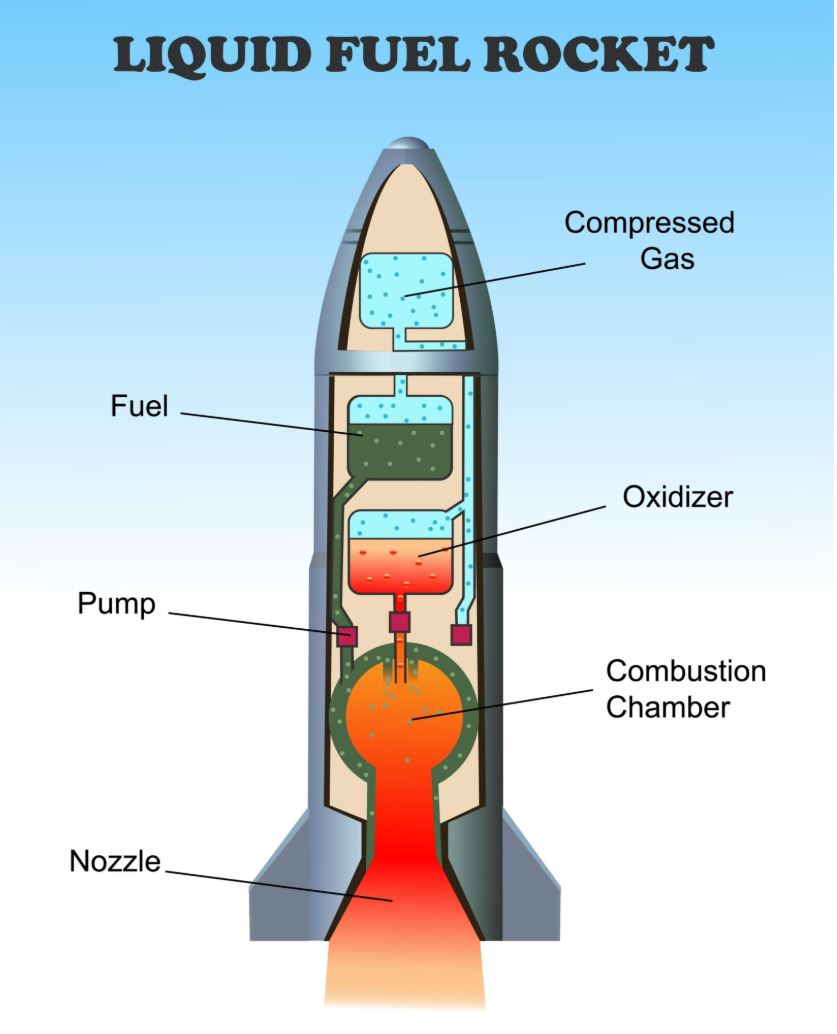
The confidential email, circulated among Danish ministries and agencies, reveals that FPRT will produce solid rocket fuel. This type of fuel is known for its quick ignition and stable combustion, making it ideal for military applications like missiles. Unlike liquid rocket fuel, it doesn’t require on-site refuelling before launch and is easier to handle and store. The Flamingo missile, in particular, uses this type of fuel.
The email also indicates that the government plans to use a new, controversial law that grants it the authority to bypass other laws and citizens’ rights to complain if a project is deemed essential for national defence or civil emergency. The law is scheduled for a vote next week and is expected to take effect in mid-September.
“The purpose of the hearing is to ensure that all ministries and agencies… have the opportunity to submit comments and assess whether there are additional regulations that must be waived for the company to be established and start production on December 1, 2025,” the email states.
FPRT has already been issued a Danish CVR number and has launched a website stating it’s “underway with a major project” to establish “modern production facilities in Vojens.” The company’s site confirms it will “design and manufacture parts for rocket engines” and that its work “supports programs that are very important for Denmark’s defence.”
Safety Concerns and Explosive Risk
The production of solid rocket fuel requires strict safety protocols. According to Peter Hald, a chemist and safety manager at Aarhus University, the process must be carried out under controlled conditions with proper safety distances for both production and storage.
“It’s not like it will ignite at the slightest spark, but if a fire does occur, chain reactions can happen that can lead to violent explosions,” he warns. “This place demands on the local fire and rescue services.”
Hald also highlights a key advantage of solid rocket fuel: its long-term stability. Once produced, it can be stored for extended periods, transported easily, and remain operationally reliable even under harsh conditions—a crucial feature in a military context. He suggests that the Danish defence force could potentially use the fuel to produce rockets for the new Puls rocket launchers recently acquired from Israel’s Elbit.
DR hopes to get some comments from both FPRT, Fire Point, as well as Minister of Defence Troels Lund Poulsen. We will come back with such relaction