
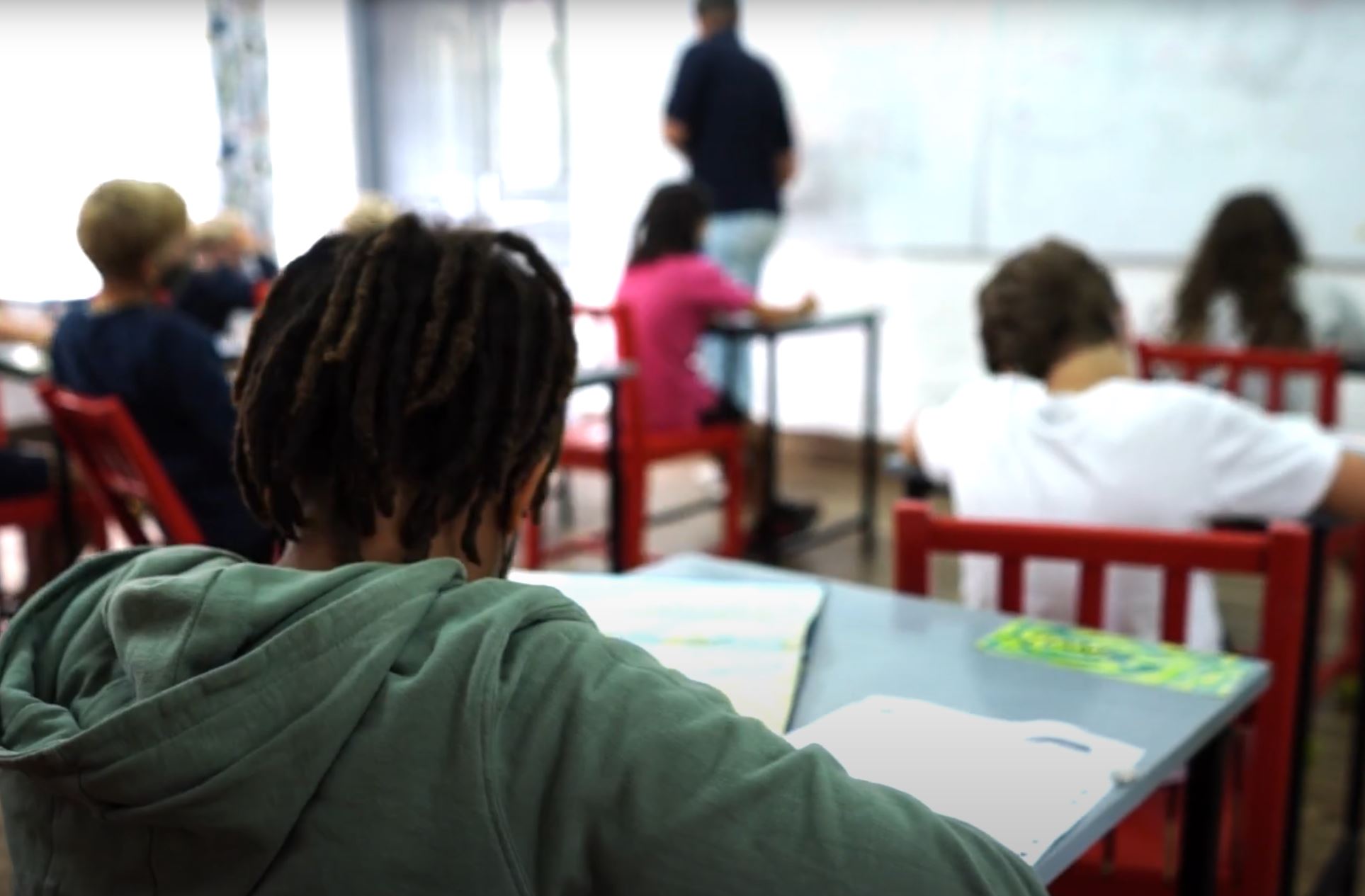
The academic performance of ninth-grade students in Sweden is on the decline. A new report from the Swedish National Agency for Education reveals a concerning trend: it is now primarily Swedish-born students with already weak results who are falling behind.
The report shows that the long-standing link between family background and academic success remains strong. Students from highly educated and well-off homes continue to have a significant advantage. This disparity is particularly evident in subjects like mathematics, where family background strongly correlates with grades among Swedish-born students. This lack of educational equity is further highlighted by an increase in the number of young people who are ineligible for national upper secondary education programs.
A Shift in Trends
For the first time since the late 1990s, Swedish-born students are experiencing a decline in their grades and eligibility for further education. This trend reversal began after the pandemic, with the students who were already struggling the most being hit the hardest. While foreign-born students are overrepresented in this group, the report emphasizes that many Swedish-born students are also a part of this growing number.
Interestingly, this decline does not apply to foreign-born students, whose eligibility has actually increased. The report attributes this to the fact that foreign-born individuals are now arriving in Sweden at a younger age, allowing them to benefit from more years in the Swedish school system.
The report also notes that the decline in academic performance is most pronounced among girls, a finding that was detailed in a separate report by the Swedish National Agency for Education.
Why the Decline?
While the pandemic and related sick leave may have contributed to the issue, the report points to a more systemic problem: a lack of equity across different schools. Pernilla Jonsson, head of a unit at the Swedish National Agency for Education, highlights a concerning trend where the most educated and experienced teachers tend to leave schools where students face more difficult circumstances.
Despite government grants and other targeted support measures, these efforts have not been enough to solve the problem of matching teacher skills with student needs. The Swedish National Agency for Education concludes that schools have not gotten better at providing all students with equal opportunities to succeed, and that the current efforts are simply not sufficient.