
Nordic Business Journal | 9 September 2025
Goma – At least 60 people were killed in a nighttime attack by Allied Democratic Forces (ADF) rebels in the village of Ntoyo, in eastern Democratic Republic of Congo (DRC), local authorities confirmed on Tuesday.
The massacre occurred during a funeral gathering on Monday night, when armed ADF fighters stormed the village in Lubero territory, North Kivu province, and began indiscriminately killing civilians with machetes and firearms.
“The ADF attack caused around 60 deaths, but the final toll will be given later this evening because the territory has just deployed services to the area to count the number of beheaded people,” said Colonel Alain Kiwewa, administrator of Lubero territory.
A survivor, who requested anonymity, described the horror:
“There were about 10 of them. I saw machetes. They told people to gather in one place and started cutting them. I listened to people screaming and I fainted”.
Islamic State-Linked Group Escalates Campaign of Terror
The ADF, a Ugandan-origin Islamist militia, has been active in eastern Congo since the late 1990s and pledged allegiance to the Islamic State (IS) in 2019. The group has repeatedly targeted civilians, often attacking churches, schools, and now funerals, in a campaign of terror and destabilization.
This latest assault is part of a sharp escalation in ADF violence. In July, the group killed 38 worshippers in a Catholic church in Ituri province. In August, over 50 civilians were slain in a series of coordinated attacks in North Kivu.
Regional Instability Threatens Economic Recovery
The eastern DRC, rich in cobalt, gold, and coltan, has long been plagued by armed conflict, with over 120 armed groups operating in the region. The ADF, M23, and other militias have disrupted mining operations, displaced communities, and undermined efforts to attract foreign investment.
“The attacks worsen the plight of Congolese in the eastern region where several other conflicts are unfolding,” noted CBC News, referring also to the Rwanda-backed M23 rebellion.
Despite joint Congolese-Ugandan military operations since 2021, the ADF has not been neutralized. Analysts warn that persistent insecurity could derail regional trade, increase commodity volatility, and deter Nordic mining firms exploring ethical sourcing partnerships in the Great Lakes region.
International Response and Humanitarian Fallout
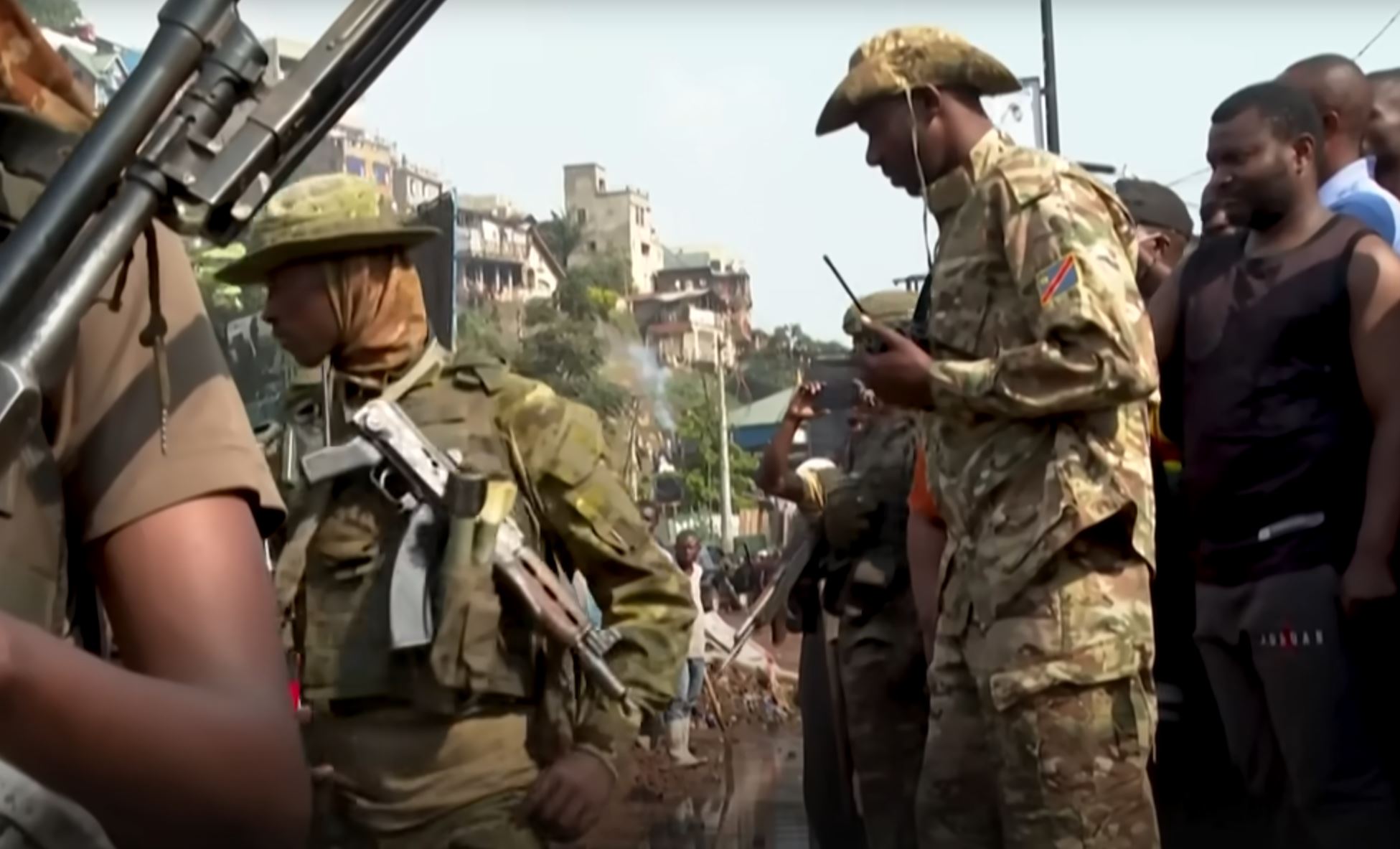
The UN Stabilization Mission in Congo (MONUSCO) has condemned the attack, but peacekeeping forces were not present in Ntoyo at the time. The Congolese army arrived hours after the massacre, by which time the rebels had fled.
“ADF militants had already committed the massacre by the time soldiers intervened,” said Lt. Marc Elongo, a military spokesperson.
Humanitarian agencies fear the death toll could rise, with dozens still missing and many injured lacking access to medical care. The UN estimates that over 7 million people are internally displaced in the DRC, with eastern provinces bearing the brunt of the crisis.
Outlook: Security Crisis Threatens Regional Integration
As East African nations push for greater economic integration, the deteriorating security situation in eastern Congo poses a major obstacle. The ADF’s resurgence, coupled with M23 advances, could destabilize neighbouring countries, disrupt supply chains, and increase refugee flows into Uganda, Rwanda, and Burundi.
For Nordic investors and development agencies, the Ntoyo massacre is a stark reminder that sustainable business in the region cannot be decoupled from security and governance. Without a coordinated regional response, the cycle of violence – and its economic fallout – is likely to continue.