
COPENHAGEN — Denmark stands at a critical crossroads in its healthcare independence. To meet its national goal of becoming fully self-sufficient in blood plasma — a vital component used to manufacture life-saving medicines — the country needs an additional 26,000 plasma donors.
The call to action comes from Bloddonorerne Danmark, the national organization representing blood and plasma donors, which warns that without a significant surge in public participation, Denmark will remain reliant on costly and uncertain international supplies.
Why Plasma Matters
Plasma — the pale-yellow liquid that makes up about half of human blood — is far more than just a biological byproduct. It’s the raw material for critical therapies, including immunoglobulin, a treatment essential for cancer patients, individuals with immune deficiencies, and those recovering from severe infections or trauma.
“Plasma isn’t just blood — it’s medicine in the making,” says Jesper Villumsen, Vice Chairman of Bloddonorerne Danmark. “Every donation can help save multiple lives.”
The Road to Self-Sufficiency
In 2021, Danish Regions set an ambitious target: full domestic production of plasma to meet national medical needs. Today, Denmark is halfway there. Roughly 32,000 dedicated donors currently supply 49% of the country’s plasma demand. The remaining 51% is imported — a dependency that poses both logistical and ethical challenges, especially in times of global crisis.
“Relying on imports means we’re at the mercy of global markets and supply chains,” Villumsen explains. “Self-sufficiency isn’t just ideal — it’s imperative for national health security.”
How You Can Help
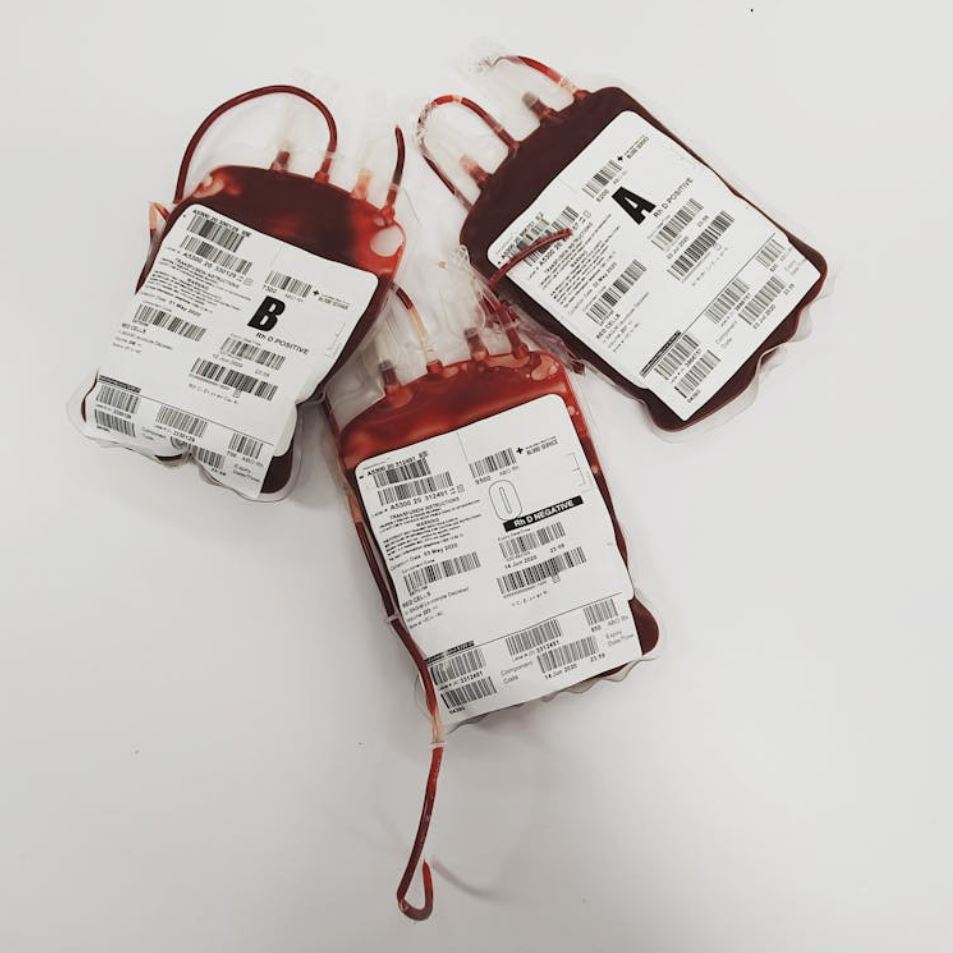
Donating plasma is safe, relatively quick, and deeply impactful. The process — known as plasmapheresis — separates plasma from blood cells, returning the cells to the donor’s body. A single session takes about 45 minutes, and healthy adults can donate as often as every two weeks.
Currently, 15 plasma collection centres operate across Denmark, with more locations and expanded capacity rolling out in response to growing need. “We’re scaling up infrastructure to meet demand — now we need the public to step up too,” Villumsen adds.
A National Effort, A Personal Impact
The 26,000-donor gap may sound daunting, but it’s achievable — especially if just a fraction of eligible Danes make plasma donation part of their routine. With an estimated 2.5 million Danes eligible to donate, the solution lies not in finding new donors from thin air, but in awakening the generosity of those already capable.
“Imagine if every workplace, school, or community group encouraged just one person to start donating,” says Villumsen. “We’d hit our goal in no time.”
To conclude, Denmark’s plasma self-sufficiency isn’t just a bureaucratic target — it’s a lifeline for thousands of patients who depend on plasma-derived therapies to survive. And it’s a mission every healthy citizen can be part of.
To learn more or book a donation appointment, visit your local blood bank or Bloddonorerne Danmark’s official website.
One donation. Multiple lives saved. The power is in your veins.
This article was updated with information from Ritzau and interviews with Bloddonorerne Danmark.