
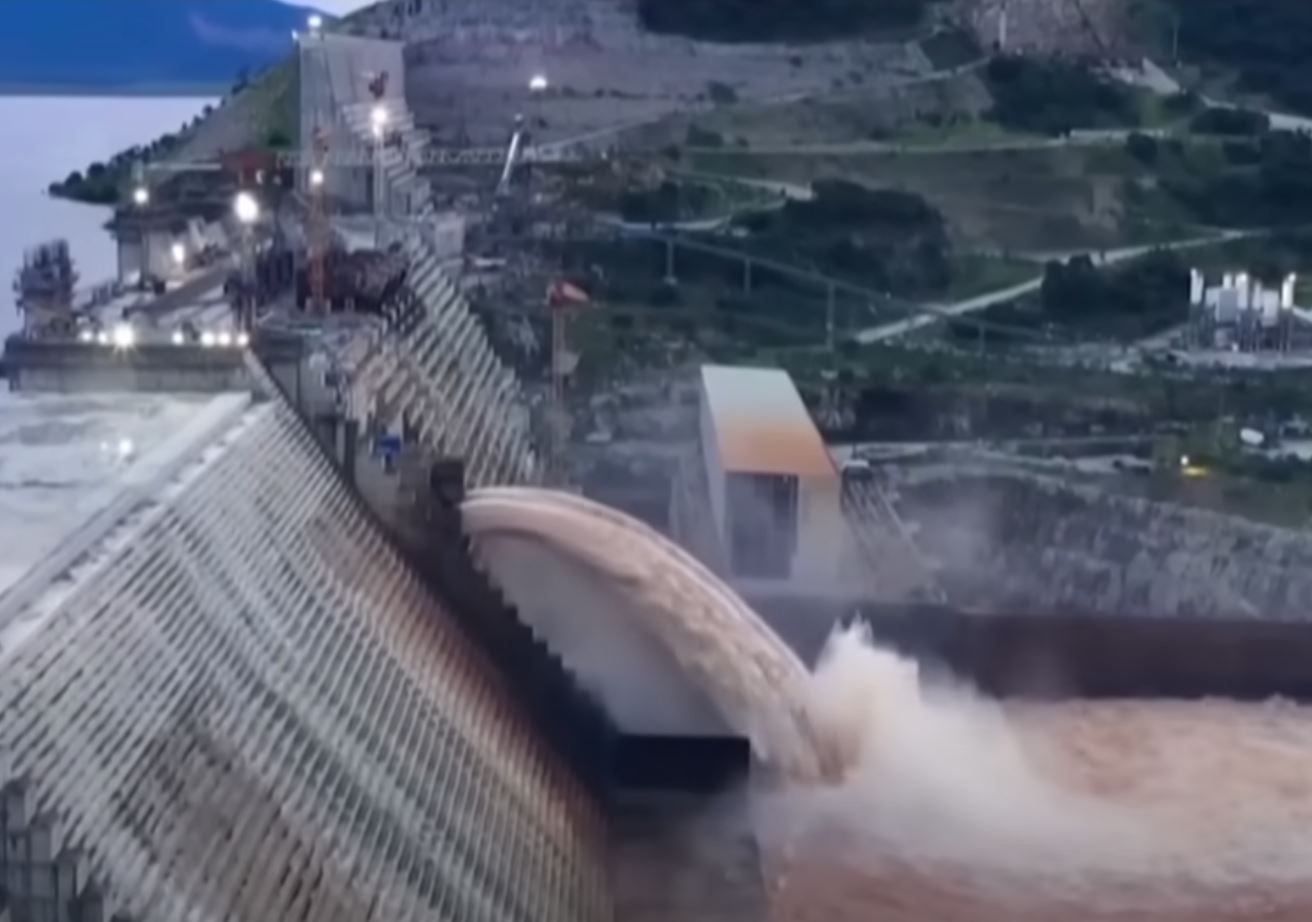
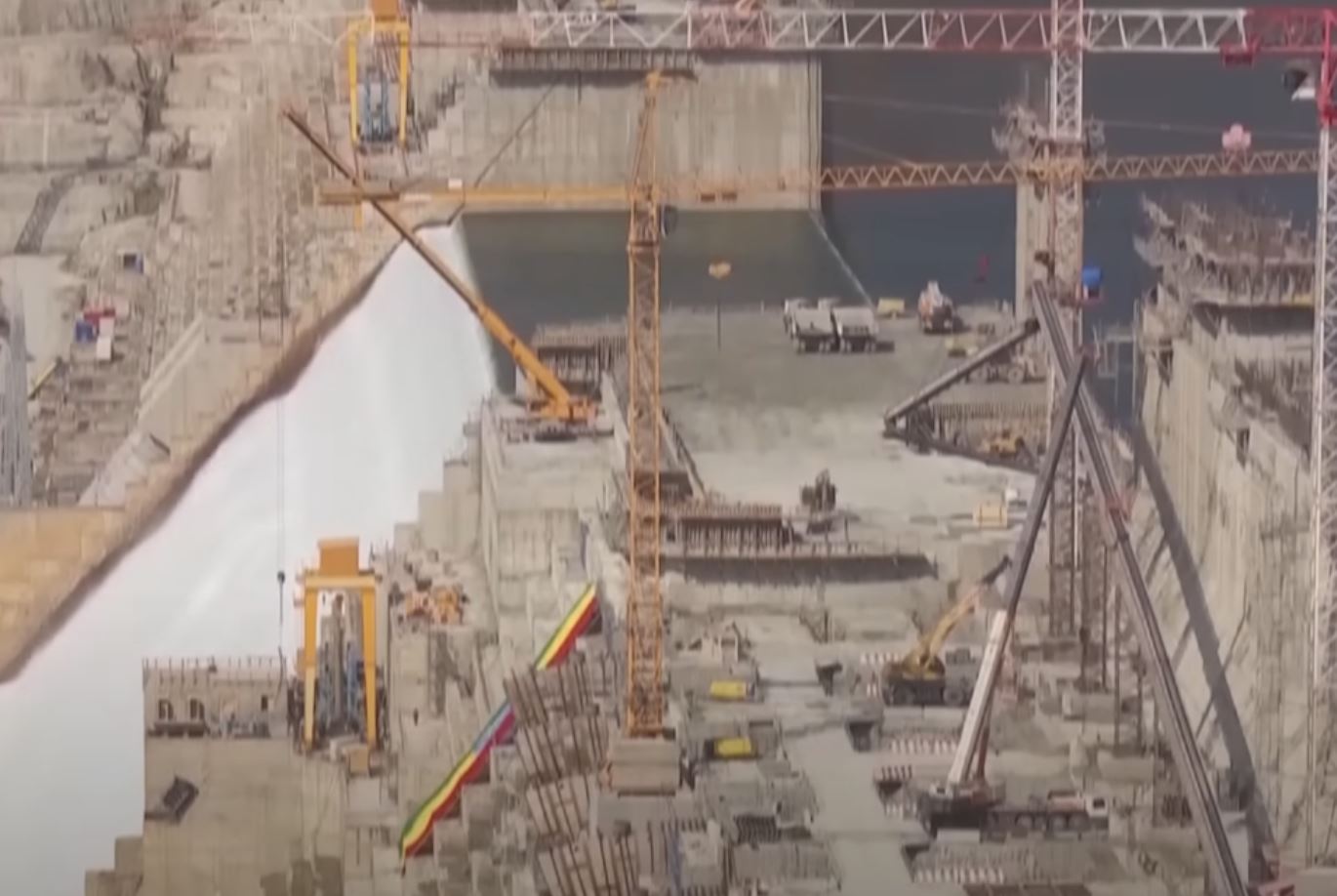
ADDIS ABABA — After 14 years of relentless labour, political turbulence, and international tension, Ethiopia has reached a historic milestone: the Grand Ethiopian Renaissance Dam — the GERD — is complete. Towering 175 meters high and stretching 1.8 kilometres across the Blue Nile, this colossal structure doesn’t just hold back water — it holds the ambitions of a nation, the anxieties of its neighbours, and the future of one of Earth’s most vital river systems.
The dam has created a reservoir capable of storing 64 billion cubic meters of water — enough to submerge a landmass the size of Greater London. But this is no mere feat of engineering. It is a geopolitical earthquake disguised as infrastructure — a symbol of national rebirth for Ethiopia, and a source of existential dread for Egypt.
Ethiopia’s Monument to Ambition
With 135 million people — the second-largest population in Africa — Ethiopia remains paradoxically energy-poor. Nearly half its citizens live without reliable electricity. The GERD promises to change that. Once fully operational, it will double the country’s power output, electrify rural villages, fuel industries, and export surplus energy to neighbours like Sudan, Kenya, and Djibouti.
But beyond kilowatts and cables, the dam carries deeper meaning. Built amid civil war in Tigray and waves of internal unrest, the GERD has become Prime Minister Abiy Ahmed’s most potent symbol of unity and resilience. It is a concrete declaration: Ethiopia is no longer waiting for permission. It is building its own destiny.
At public celebrations, Ethiopians have wept, danced, and prayed — not just for lightbulbs, but for dignity. For too long, the narrative of Africa has been one of dependency. The GERD flips the script.
Egypt’s Nightmare on the Nile
Egypt, by contrast, sees not progress — but peril.
The Nile is not a river to Egyptians — it is their lifeline. Over 95% of the population lives within a few kilometres of its banks. The fertile ribbon slicing through the desert feeds the nation, waters its crops, and quenches the thirst of 110 million souls. Without it, Egypt as we know it ceases to exist.
For centuries — and especially since a 1929 colonial-era treaty brokered by Britain — Egypt has treated the Nile as its sovereign domain, claiming veto power over upstream projects. That era is over. In 2011, as Cairo convulsed with revolution, Ethiopia broke ground on the GERD — no permission sought, none granted.
Now, with the dam complete, Egypt’s worst fears loom large: What if Ethiopia controls the tap? What if drought years see water withheld? What if political tensions translate into hydrological warfare?
Egypt once threatened military action — even sabotage. But with 64 billion cubic meters of water now impounded behind Ethiopian concrete, such threats ring hollow. A strike on the dam wouldn’t just be an act of war — it would unleash a biblical flood, devastating Sudan and possibly even parts of Egypt itself.
The Diplomatic Dam Breaks
Negotiations have stalled for years. Ethiopia refuses to sign a legally binding water-sharing agreement, insisting the dam’s operation will be “reasonable and equitable.” Egypt demands guarantees. Sudan, caught in the middle, vacillates — eager for cheap electricity but terrified of uncontrolled flooding.
The GERD’s inauguration coincides, not accidentally, with Ethiopia hosting the Africa Climate Summit. Addis Ababa is positioning the dam as a climate solution — a clean, renewable powerhouse that can stabilize flows during droughts and buffer floods. It’s a compelling narrative, especially for a continent racing to electrify 600 million people without deepening the climate crisis.
But climate justice cannot come at the cost of water justice. The Nile doesn’t recognize borders — but nations do. And when one country’s development becomes another’s potential disaster, diplomacy must rise above nationalism.
A Continental Crossroads
The GERD is more than Ethiopia’s triumph. It is Africa’s test.
Can nations sharing transboundary resources — rivers, lakes, aquifers — manage them cooperatively, transparently, and equitably? Or will scarcity and ambition fuel the conflicts of tomorrow?
Dams like the GERD are being built across the Global South — from the Mekong to the Zambezi. They promise progress. But they also concentrate power — literally and politically — in the hands of those who control the valves.
The world is watching. Not just because of the Nile — but because the Nile is a mirror. It reflects the central challenge of the 21st century: how to share finite resources in a world of infinite ambition.
The Grand Ethiopian Renaissance Dam is complete. But the real work — the work of trust, compromise, and continental cooperation — has only just begun.