
In Sweden’s increasingly expensive grocery aisles, the battle for price-conscious shoppers has taken a new turn. A nationwide price survey conducted by consumer tracker Matpriskollen shows that low-cost chain Lidl is outpacing its rivals when it comes to affordability in organic food.
According to the survey, Lidl’s organic grocery basket is 26 percent cheaper than the priciest competitor, Coop. A standardized basket of cereals, fresh produce, dairy products, pasta and rice cost 1,065 SEK at Lidl, compared with 1,346 SEK at Coop.
“We want to make it possible for more people to make sustainable choices, which is why it is very gratifying to see that our bag was the most affordable in the survey,” said Anneli Bylund, Sustainability Manager at Lidl Sweden.
Demand for Organic – But at a Price
The study underscores the tension at the heart of Sweden’s organic market. While 25 percent of consumers say they want to shop organic, a full 70 percent cite high prices as the main barrier. Price premiums remain significant: for example, eco-labelled oatmeal can be up to 44 percent more expensive than conventional alternatives.
“The price gap is considerable. ECO-Oatmeal can be 44 percent more expensive and between the chains there is a difference of over 20 percent on the ECO checkout. This shows that while consumers save by mixing chains, the real challenge lies in reducing the cost spread between organic and non-organic,” said Ulf Mazur, CEO and founder of Matpriskollen.
Lidl’s Role in the Market
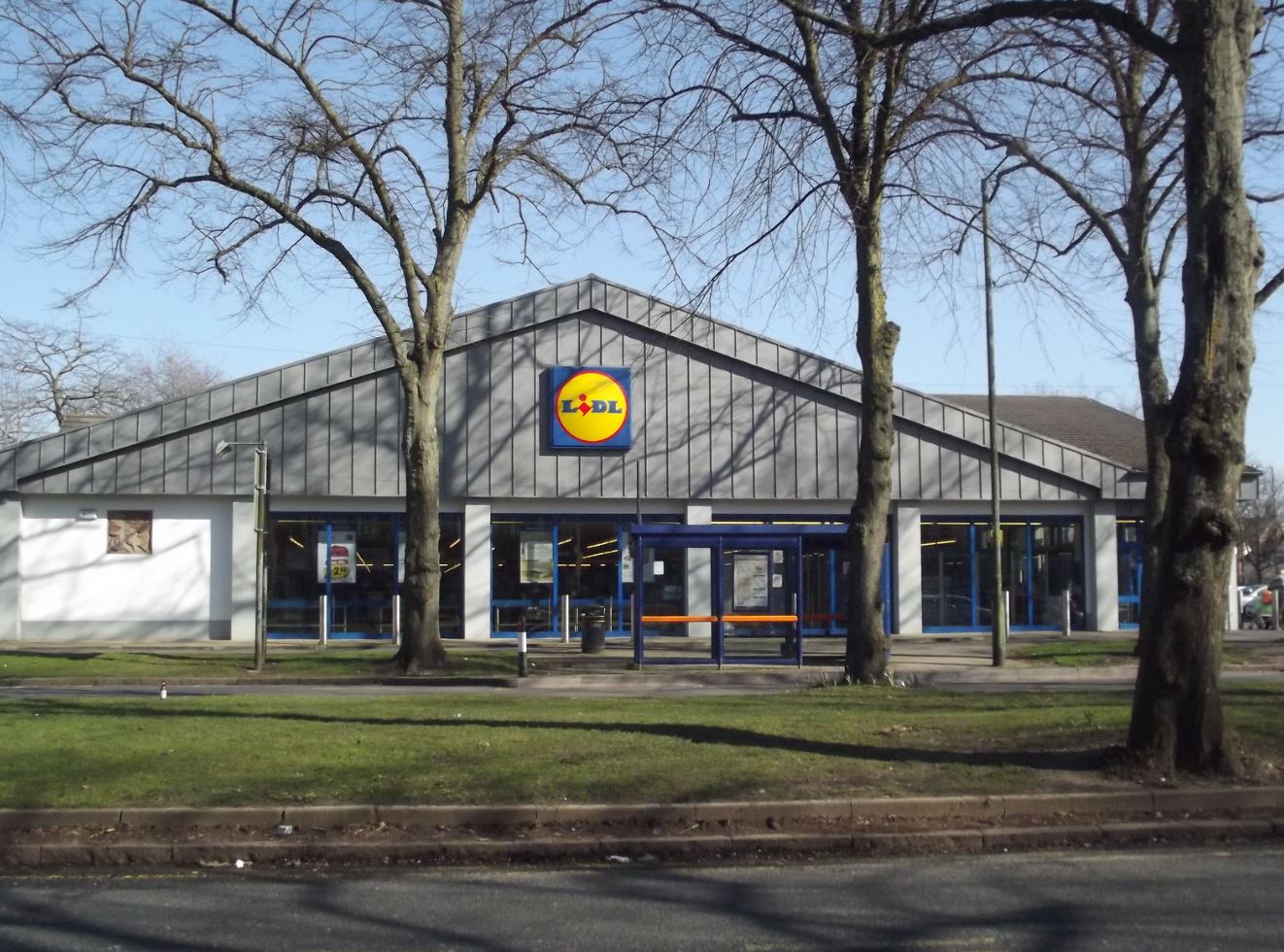
For Lidl, which has steadily expanded its footprint in Sweden, the findings bolster its positioning as both a low-cost and sustainability-driven retailer. By undercutting rivals on organic products, the discounter is signalling a strategy designed not only to win volume sales but also to shape consumer behaviour in a sector where price remains the primary deterrent.
Lidl’s management sees affordability as a gateway to broader adoption of sustainable food. “Our ambition is to ensure more customers can choose organic without compromising their household budget,” Bylund noted, adding that the company hopes to expand organic sales further.
The Broader Retail Test
The results place renewed pressure on traditional chains such as Coop, ICA and Axfood, who have long marketed sustainability as part of their brand promise. With inflation still pinching Swedish households, the willingness to pay more for organic food is in question, making value-for-money increasingly decisive.
The survey suggests that unless price gaps narrow, consumer “multi-loyalty” strategies — shopping across different stores to secure savings — will continue to grow. For now, Lidl’s aggressive pricing is giving the discount chain an edge in a market segment often seen as the preserve of more premium retailers.