
In a year marked by economic uncertainty, rising food prices, and a world grappling with global instability, Denmark has witnessed a remarkable surge in charitable donations. According to a recent study by Isobro, the industry association for fundraising organizations, Danes contributed a record-breaking 7.6 billion kroner to charitable causes in 2024—an increase of 8.4% compared to the previous year. This growth is particularly significant as it comes amid challenges such as inflation and the ongoing consequences of the COVID-19 pandemic. The data, which includes donations from both private individuals and inheritances, offers a window into the evolving landscape of philanthropy in Denmark.
At the heart of the surge are two key trends: the continued growth in income from private donors and a remarkable rise in contributions from inheritances and wills. Private donations alone grew by 10.7%, while bequests saw an astonishing increase of 54%. Disease-fighting organizations and disability charities, in particular, experienced significant gains, with income from these causes rising by 19.7% from 2023 to 2024.
The question that arises, however, is whether this growth is a sustainable shift in the Danish charitable culture or a temporary reaction to a unique moment in time.
The Growth of Charity Donations: A Positive Trend for Denmark
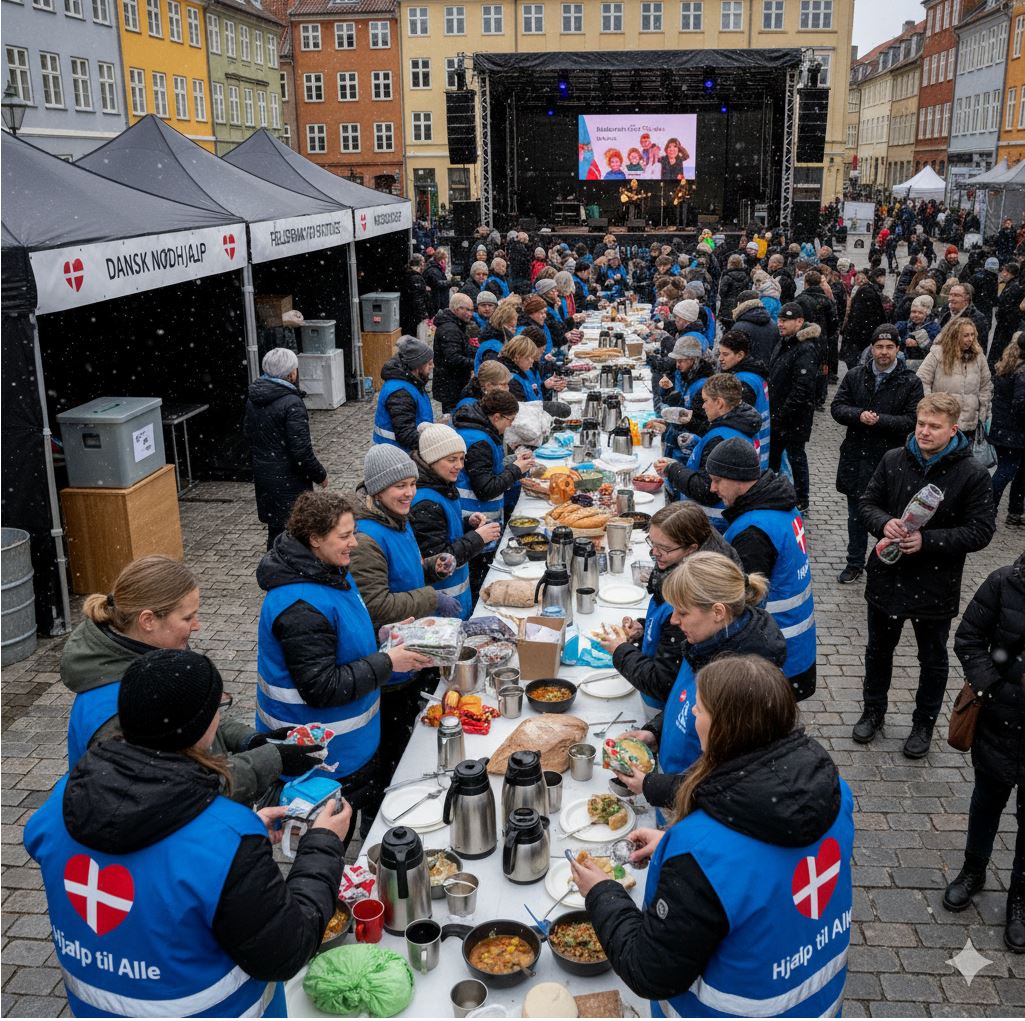
Supporters of the record-breaking figures argue that this increase in charitable donations is indicative of a deep-rooted generosity and civic responsibility in Denmark. “Danes support the causes that matter to them—even in a time of rising food prices, inflation, and uncertainties in the world around us,” said Kenneth Kamp Butzbach, Secretary General of Isobro, in the report. For many, this surge is a heartening reminder of the Danish spirit of solidarity. Despite the economic pressure, people continue to contribute to causes close to their hearts, demonstrating an enduring belief in the power of community support.
Furthermore, the rise in inheritance donations is particularly striking. It reflects an ongoing trend in Denmark where individuals, rather than accumulating wealth solely for themselves or their immediate families, are choosing to leave a lasting legacy through charitable contributions. This not only benefits the organizations involved but also underscores a broader societal commitment to collective well-being. Charities have long advocated for such legacies, and these figures suggest that more Danes may be embracing the idea of “giving back” in a meaningful way as part of their long-term planning.
The Impact of Disease and Disability Charities
The specific growth seen in disease-fighting and disability organizations is also noteworthy. With health crises, such as the pandemic, leaving lasting effects on global health systems, people may be more empathetic and eager to support organizations that provide critical care and support. The increase in donations to these causes could also reflect growing awareness of issues like mental health and chronic illness, which are gaining more visibility in Denmark. As a result, more people may feel compelled to act by contributing to these organizations’ efforts.
Furthermore, the increase in private donations—10.7%—shows that Danes are becoming increasingly engaged in causes they are passionate about. In an era where social media amplifies visibility, individuals may feel more directly connected to global causes, fuelling this generosity.
The Case for Caution: Is This a Short-Term Phenomenon?
On the other hand, critics warn that while the 2024 figures are impressive, they might not signal a long-term shift in Danish charitable behaviour. Rising bequests could be a one-time phenomenon driven by individuals’ desire to ensure their legacies are felt even after they are gone. With the passing of older generations, there could be an influx of donations that is unlikely to continue at such a rate in the coming years. As the wealthiest members of society increasingly choose to leave their estates to charity, one may question whether future generations will feel the same imperative to donate.
Moreover, the rise in charitable donations could be attributed to a sense of guilt or anxiety in response to global and local crises, rather than a genuine long-term commitment to giving. In difficult times, people often turn to charity as a way to alleviate societal burdens, but such altruism can fade as the crises themselves subside. Is this an enduring trend or just a temporary reaction to the turbulence of the past few years?
The Role of Inflation and Economic Pressure
The impact of inflation cannot be ignored. While many individuals continue to give generously, rising living costs may ultimately curtail their ability to do so in the future. If inflation continues to strain household budgets, the growth in private donations may slow. For many Danes, the reality of rising food prices, energy bills, and mortgage rates could mean that their disposable income for charitable giving is significantly reduced in the years to come.
In this sense, the current donation figures might not reflect the true giving potential of the Danish public. Rather, they could represent a last surge of giving before the financial squeeze becomes more severe. Charitable organizations may need to consider diversifying their fundraising strategies in anticipation of a potential slowdown in individual contributions.
Conclusion: A Hopeful Yet Uncertain Future
The record-breaking charitable donations in Denmark in 2024 represent a hopeful development in an otherwise challenging economic climate. However, whether this surge marks the beginning of a sustained shift in the philanthropic landscape or a temporary response to current global challenges remains to be seen.
Charitable giving is deeply rooted in the culture of Denmark, and the surge in private donations and inheritance bequests speaks to a strong tradition of civic responsibility. Disease and disability organizations have clearly benefited from this growing generosity, reflecting the public’s increasing empathy and awareness of health-related issues.
Nonetheless, a cautious perspective is warranted. As inflation continues to exert pressure on household budgets, and as the initial wave of inheritance donations subsides, the future of Denmark’s charitable sector may depend on its ability to adapt to a rapidly changing economic environment. For now, however, the record-breaking figures offer a rare beacon of optimism in an otherwise tumultuous world.
In the end, the true test will be whether Danes can continue their remarkable generosity, not just in times of crisis, but as part of a long-term commitment to the causes that matter most.