
The Danish labour market has shown remarkable growth in recent months, as evidenced by the addition of 3,600 new employees in July alone, according to Statistics Denmark. This marks another month of steady employment gains, continuing the trend of job creation that has been ongoing for the past year. With a total of 36,900 new jobs created over the last 12 months, it is evident that the Danish economy is generating more opportunities for its workforce. However, while these figures are undoubtedly positive, the broader economic picture remains mixed, with consumer confidence taking a hit and challenges faced by major players like Novo Nordisk.
A Strong Labour Market: Positive Numbers, but What’s Driving Them?
The numbers speak for themselves: over the last year, Denmark has added nearly 37,000 jobs, with private sector employment accounting for the lion’s share (around 30,000 jobs), and the public sector adding about 7,000. These gains bring the total number of employees in Denmark to just over 3 million by the end of July. For Sofie Holme Andersen, chief economist at the Danish Labour Movement’s Business Council, these figures are nothing short of impressive.
“An average increase of over 3,000 new jobs per month is a testament to the resilience of Denmark’s labour market,” says Andersen. She is right to celebrate this growth, especially considering the uncertain global economic environment and Denmark’s own internal challenges. The country’s employment numbers indicate a healthy job market that should, in theory, continue to stimulate the economy.
Private Sector Dominance: A Sign of Economic Robustness?
The bulk of new job creation in Denmark has come from the private sector. With nearly 30,000 new positions, the private sector has demonstrated its ability to adapt to changing economic conditions, creating opportunities in a range of industries. This is a particularly good sign for the long-term health of the economy, as it reflects the underlying strength of Denmark’s business landscape.
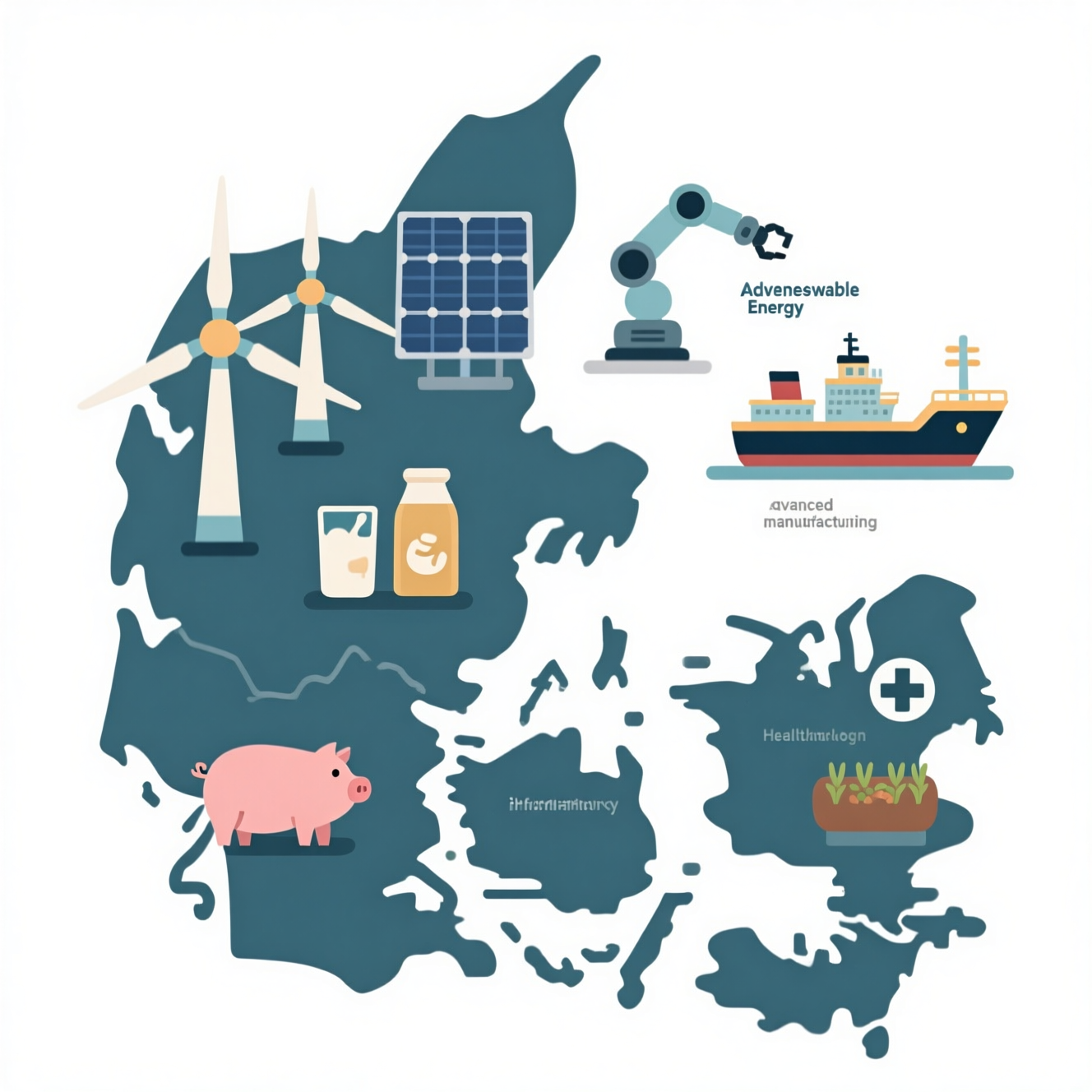
Many sectors have benefited from digital transformation, increased demand for technology-driven solutions, and a growing emphasis on sustainability. Denmark’s green energy and tech sectors have seen expansion in recent months, offering promising career paths for highly skilled workers. Moreover, the country’s commitment to innovation is likely to continue driving private sector growth in the coming years.
However, questions arise about the distribution of these jobs. While private companies are thriving, there is an ongoing debate about whether the increase in private sector employment is creating sustainable, high-quality jobs or if much of the growth is concentrated in lower-wage or temporary positions. This remains a critical issue for policymakers as they work to ensure that job creation benefits all segments of society.
Public Sector: Growth or Pressure?
While the private sector takes the lion’s share of job creation, the public sector also added 7,000 new jobs in the past year. While this is a smaller number compared to the private sector, it still represents a significant contribution to employment stability in Denmark. Many of these new positions are in areas such as healthcare, education, and social services, where demand for workers has remained strong due to demographic trends and the increasing complexity of societal needs.
That said, the public sector’s capacity to absorb new workers is not limitless, and there is growing concern about the strain on public finances. As the population ages, Denmark’s public services will face additional pressure, which may impact both the quality of services and job growth in this sector. Moreover, the Danish government is grappling with how to balance expanding the public sector without overburdening taxpayers.
Consumer Confidence: The Dark Cloud on the Horizon?
While the labour market is firing on all cylinders, consumer confidence in Denmark has recently taken a sharp dive. According to data from the Danish statistical authority, consumer confidence fell to its lowest level in more than two years in September. This decline is largely attributed to concerns surrounding the performance of Novo Nordisk, Denmark’s biggest and most influential company.
Novo Nordisk has been facing headwinds recently, with challenges related to supply chain disruptions, regulatory scrutiny, and competition. As one of the country’s largest employers and a significant driver of Denmark’s economy, any difficulties faced by Novo Nordisk reverberate across multiple sectors, contributing to broader economic anxiety.
This drop in consumer confidence is worrying, as it could have ripple effects across the Danish economy. When people feel uncertain about the future, they tend to cut back on spending, which could slow down economic growth. Moreover, reduced consumer confidence could affect job creation if businesses become more cautious about expanding their operations.
Striking a Balance: Optimism for the Labour Market, Caution for Consumers
The current state of Denmark’s labour market offers a mixed but optimistic picture. On one hand, the creation of new jobs, particularly in the private sector, is a sign of economic health and resilience. It suggests that Denmark is well-positioned to weather external shocks and continue offering employment opportunities for its citizens.
On the other hand, the decline in consumer confidence and the challenges facing major companies like Novo Nordisk serve as important reminders that the road ahead is not without obstacles. For policymakers and business leaders, the key will be to maintain the momentum in the labour market while addressing the underlying factors contributing to consumer pessimism.
In this context, the government must continue to support job creation, invest in future-proof sectors such as technology and sustainability, and provide stability in public services. Meanwhile, the business community must work to regain consumer trust and stability, particularly by addressing concerns related to major corporate players like Novo Nordisk.
The labour market is doing well, but the question remains: will consumer confidence catch up to the positive employment trends, or will economic uncertainty pull the brakes on Denmark’s progress? Only time will tell.