
Burkina Faso, Mali, and Niger have announced their decision to withdraw from the International Criminal Court (ICC), citing accusations of bias, neo-colonial influence, and the court’s failure to hold powerful nations accountable for war crimes. This joint move by the three countries, all currently under military rule following recent coups, highlights ongoing tensions between the ICC and African nations, particularly those in the Sahel region, where human rights abuses and violence have been escalating.
Key Reasons for Withdrawal
The military governments of Burkina Faso, Mali, and Niger have provided several reasons for their departure from the ICC:
- Ineffectiveness in Prosecution: The juntas argue that the ICC has failed to hold perpetrators of war crimes, genocide, and crimes against humanity accountable, especially those from powerful countries. They claim that the court’s actions are selective and lack consistency in pursuing justice.
- Accusations of Neo-Colonialism: The governments describe the ICC as a tool of neo-colonialism, alleging that it is used by Western powers to exert control and influence over weaker nations. They argue that the court reflects a Western bias and does not serve the interests of African countries.
- Sovereignty Concerns: The three states emphasize the need for “home-grown mechanisms” for justice, suggesting that ICC intervention undermines national sovereignty and autonomy. They argue that local justice systems should take precedence over international intervention.
- The Will of the Sahel Confederation: In a joint communiqué, the military governments framed their decision as an expression of the “will of Sahel Confederation member states” to safeguard their sovereignty and promote local values and justice systems.
The Context: Military Rule and Human Rights
All three countries are currently governed by military juntas that came to power through coups in recent years. These juntas belong to the Alliance of Sahel States, a group focused on combating jihadist insurgencies in the region. However, their military campaigns against these insurgents have often been criticized for human rights violations, including attacks on civilians and the involvement of militias. This has raised international concern about the potential for impunity if the ICC is sidelined.
Critics argue that the withdrawal could further entrench impunity, particularly as there is already documentation of civilian abuses in the region. By removing the possibility of international oversight, these states may avoid accountability for ongoing violations.
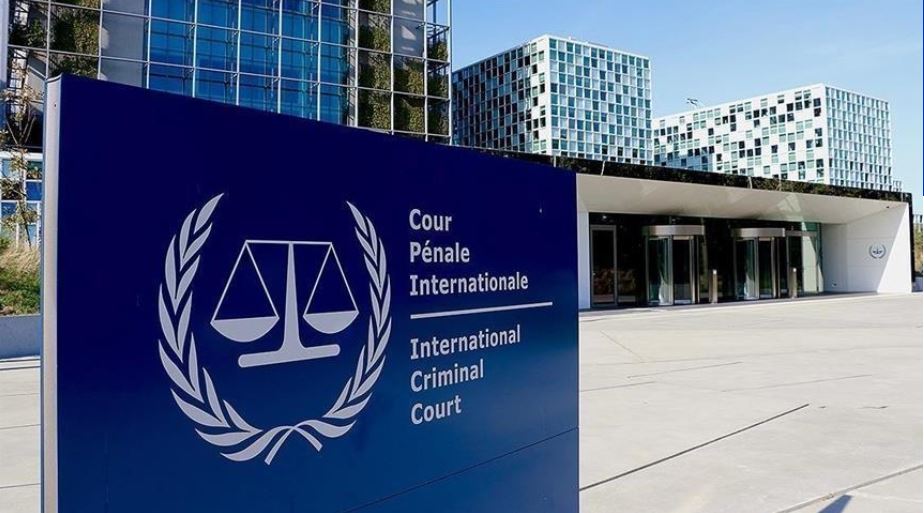
The ICC’s Role and Its Limitations
The ICC, established by the Rome Statute in 2002, is a permanent international court designed to prosecute individuals for serious crimes, including genocide, crimes against humanity, and war crimes, especially when national courts are unable or unwilling to act. The court was created with the aim of deterring atrocities, setting global standards for accountability, and supporting post-conflict reconstruction.
However, the ICC has faced substantial criticism, particularly from African nations. Its limited capacity to enforce arrests, especially in the absence of state cooperation, has undermined its effectiveness. Moreover, the court has been accused of focusing disproportionately on African countries, with nearly all of its prosecutions involving African defendants. This has led to accusations of bias and selectivity, compounded by the fact that powerful non-signatory countries, such as the United States, China, and Russia, are not subject to the court’s jurisdiction.
A Case Study: Cameroon and the Limits of ICC Action
The case of Cameroon underscores the limitations of the ICC as a mechanism for global justice. Despite documented human rights abuses during Cameroon’s ongoing Anglophone crisis, the country has not ratified the Rome Statute and therefore falls outside the ICC’s jurisdiction unless the UN Security Council intervenes—an unlikely scenario due to geopolitical considerations. This lack of international or domestic accountability means that abuses in Cameroon, and similar countries, often continue unchecked, highlighting the ICC’s inability to act without widespread international and local political support.
Comparative Summary of Affected Countries
| Country | ICC Status | Government Type | Reason for Withdrawal | Human Rights Issues |
| Burkina Faso | Withdrawing | Military Junta | ICC bias, sovereignty concerns | Civilian abuses, militia operations |
| Mali | Withdrawing | Military Junta | Anti-Africa bias, weak justice system | Civilian abuses, desert operations |
| Niger | Withdrawing | Military Junta | Neo-colonial claims, inefficacy of the ICC | Civilian abuses, anti-jihadist campaigns |
| Cameroon | Not ratified | Civilian/Govt | Not an ICC member | Anglophone crisis, human rights abuses |
Conclusion
The withdrawal of Burkina Faso, Mali, and Niger from the ICC reflects deepening concerns over the court’s perceived bias and ineffectiveness, especially in regions like Africa. While the ICC plays a critical role in promoting accountability for grave crimes, its reliance on state cooperation, limited jurisdiction, and accusations of double standards have eroded its credibility in the eyes of many. As these countries push for local justice mechanisms, the future of international justice remains uncertain, particularly in states where political will for accountability is lacking.