
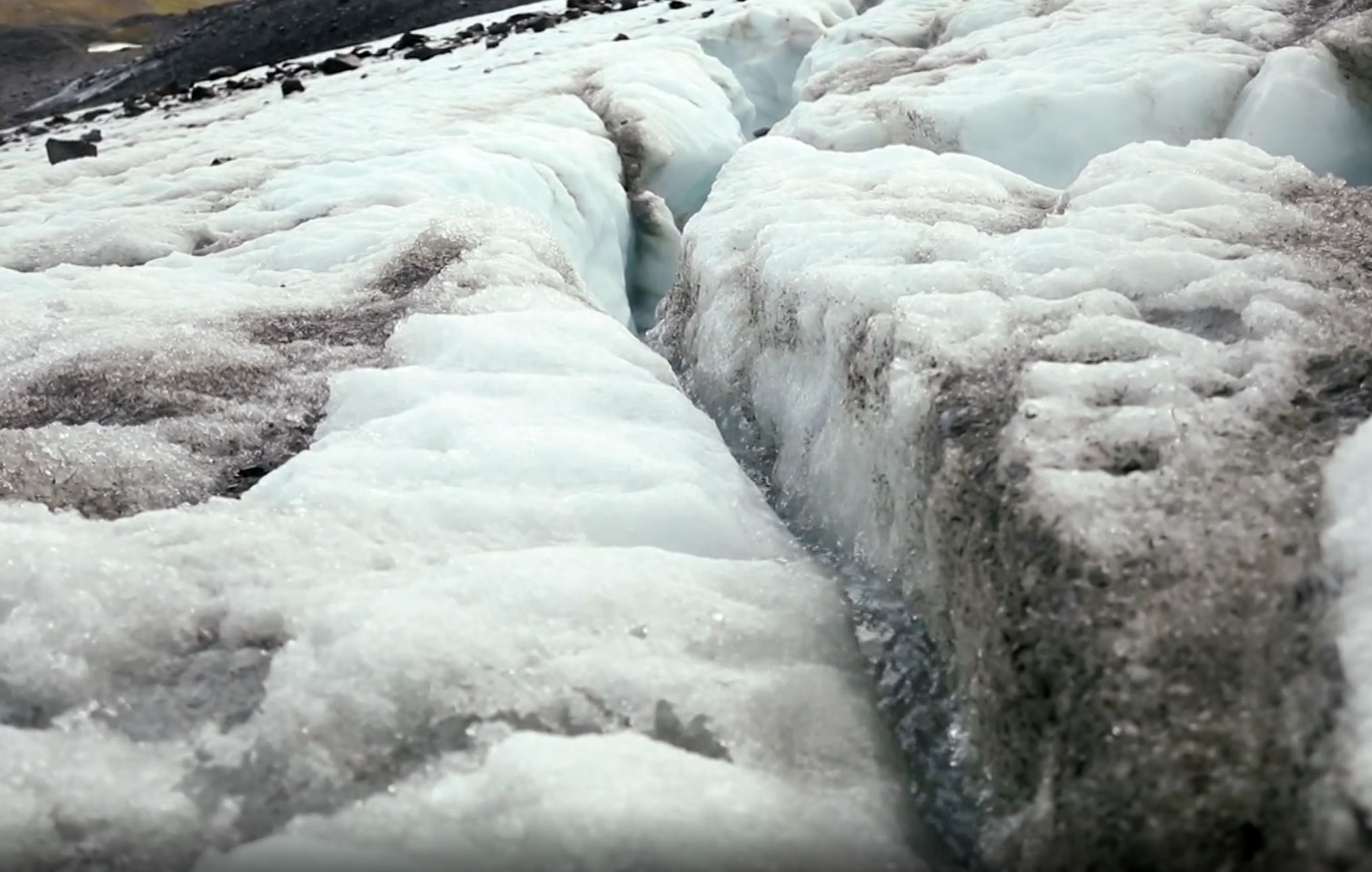
In the summer of 2024, a stark and undeniable message was delivered to the world: eight glaciers in Sweden, including the country’s northernmost Čunu glacier, melted completely. These once-majestic ice masses, which had stood for millennia, are now absent, leaving only bare rock in their wake. Satellite imagery confirms that they have vanished, a clear visual testament to the accelerating effects of climate change.
Sweden, home to around 270 glaciers, has witnessed a disturbing trend in recent years: a consistent retreat of its ice masses. However, the summer of 2024 marks a significant and irreversible shift. According to measurements from the Tarfala research station at Kebnekaise, the melting this year was unlike any previous. In just one season, the glaciers shrank as much as they had in the previous six years combined. This rapid acceleration has glaciologists like Nina Kirchner, a leading expert in the field, alarmed.
“It’s the clearest message you can get that the Earth is getting warmer,” Kirchner states with concern. The heat, which reached record highs in northern Sweden, was a catalyst for the glaciers’ rapid disappearance. Yet it is not only the extreme temperatures that have caused the glaciers to melt; the overall trend of an earlier and prolonged melting season is contributing to the crisis. The glaciologist warns that the glaciers that have vanished are likely gone for good. “We will only read about certain glaciers in history books,” she says.
The Deeper Implications
The implications of the loss of these glaciers extend far beyond the aesthetics of a disappearing landscape. For the environment, the effects are profound. Glaciers serve as vital sources of fresh water, and their rapid retreat threatens the delicate ecosystems of Sweden’s mountainous regions. Reduced water supply could harm both plant and animal life, as well as disrupt the delicate balance of the local ecosystem.
Mountain streams, often fed by glacier melt, are crucial for the survival of a variety of species. The loss of these water sources is a blow not only to the flora and fauna but also to tourists who rely on these natural features for recreation. The glacier ecosystems are some of the most sensitive on Earth, and their disappearance marks the end of a natural cycle that has lasted for thousands of years.
As Kirchner notes, the speed at which these glaciers are disappearing is alarming. The glaciers have not only shrunk in size but have now completely melted away, signaling a dramatic shift in Sweden’s climate. In this context, the event is not merely a piece of scientific data; it is an emotional and cultural loss, affecting local communities and tourism.
The Economic and Social Ramifications
The tourist industry, which has long relied on the unique beauty and majesty of Sweden’s glaciers, is beginning to feel the effects. In areas where glaciers once drew visitors from across the globe, the rapid disappearance of these ice formations poses challenges to local economies. Swedish authorities are already discussing strategies for adapting to a future where glaciers are no longer a part of the landscape.
Further complicating matters is the potential for increased water scarcity. Sweden, like many northern nations, has long enjoyed an abundance of fresh water, with its glaciers playing a key role in maintaining this supply. As these glaciers continue to vanish, there could be significant consequences for both rural and urban populations who depend on this resource for agriculture, industry, and drinking water.
In addition, the melting glaciers will likely exacerbate the effects of climate change. Glaciers act as an important climate stabilizer, reflecting sunlight and helping to moderate the Earth’s temperature. As they disappear, the reflective surface is replaced with dark rock, which absorbs more heat, creating a feedback loop that accelerates warming.
The Road Ahead
Nina Kirchner’s grim prediction that many glaciers will never return requires us to face a sobering reality: the climate crisis is unfolding faster than many had anticipated. But with this stark reality comes an opportunity for action. The loss of these glaciers must serve as a clarion call for governments, industries, and individuals to double down on efforts to combat climate change.
While Sweden has made strides in renewable energy, sustainable tourism, and carbon emissions reductions, the events of 2024 demonstrate the urgency of the situation. With growing global temperatures, the disappearance of glaciers is not limited to Sweden alone. Other mountainous regions, including the Alps, the Rockies, and the Himalayas, are witnessing similar phenomena, further underlining the global scale of the crisis.
There is a pressing need to support policies that can mitigate climate change’s worst effects. These policies include investing in clean energy, increasing carbon sequestration efforts, and promoting conservation practices that can preserve ecosystems under stress. While the loss of the glaciers is irreversible, it is not too late to prevent further damage.
Conclusion: A Wake-Up Call or Just Another Statistic?
The swift disappearance of these eight Swedish glaciers is more than just a headline—it’s an emblem of the larger, more devastating changes we are facing as a global community. This event should act as a wake-up call to all of us, urging immediate action to curb greenhouse gas emissions and invest in sustainable practices.
However, if history has taught us anything, it is that we must not wait for the final disappearance of all glaciers before we begin to act. Sweden’s glaciers may be gone, but their story is not over. It is up to us to ensure that the changes we make today are enough to protect the landscapes and ecosystems that remain for future generations. The clock is ticking, and glaciers—like the Čunu—are melting faster than we realize.