
Copenhagen – A Danish–Swedish research team has flipped the script on plastic waste. Instead of landfilling or burning PET bottles and textiles, they now convert them into a fine black powder that pulls CO₂ straight out of smokestacks.
The recipe is disarmingly simple: take shredded PET, add ethylenediamine (a common industrial amine), heat gently, and you get “BAETA” – a carbon-capturing material the group describes as “activated charcoal on steroids.” One kilogram of BAETA can lock away up to 0.4 kg of CO₂, and the only input is plastic garbage.
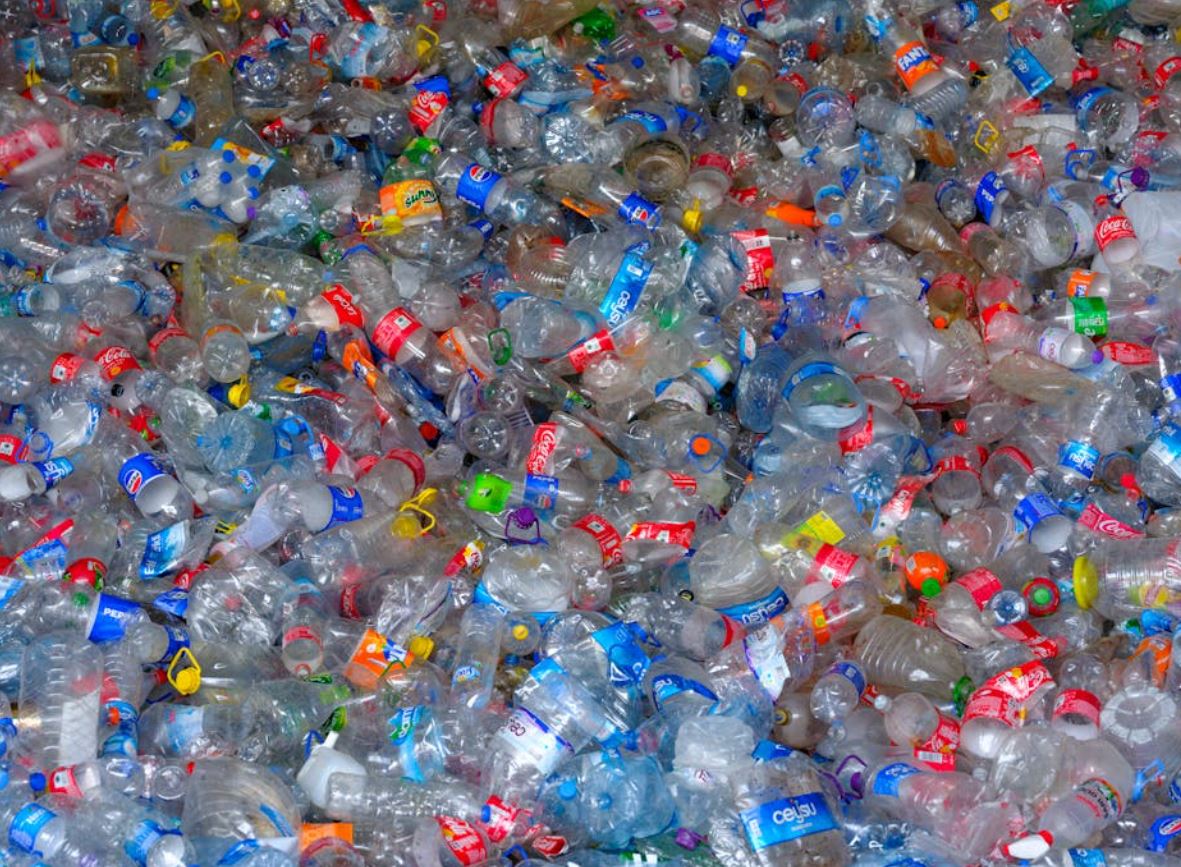
“We show high-school students the reactor,” says Ji-Woong Lee, chemist at the University of Copenhagen and co-author of the study published in Science Advances. “They leave the lab believing their soda bottle can actually help cool the planet.”
The team’s vision is to bolt modular BAETA filters onto Nordic pulp, paper and waste-to-energy plants, turning chimneys into carbon sinks. Early techno-economic models suggest the process could be cost-neutral once credit prices exceed €80 per tonne of CO₂ – a threshold already touched in the EU ETS.
Henrik Thunman, professor at Chalmers and project coordinator, is candid about the road ahead: “We need to scale from grams to tonnes, prove mechanical stability, and secure a PET waste stream that isn’t already claimed by bottle-deposit systems.” Pilot trials with Swedish utility Stockholm Exergi start in 2026.
If successful, the technology would attack two Nordic headaches—plastic litter and hard-to-abate industrial emissions—with a single circular stroke.