
GÄVLE, SWEDEN — A brazen shooting in central Gävle early on October 4 has placed Sweden’s growing struggle with youth crime and gang violence under renewed scrutiny. Six young individuals were injured in the attack, and authorities have since identified the primary suspect as a 13-year-old boy, now facing charges of attempted murder and serious firearms offenses.
The incident unfolded shortly before 2 a.m. on Södergatan, a central thoroughfare in Gävle, a city increasingly viewed as a flashpoint in Sweden’s criminal landscape. Police responded to multiple emergency calls and discovered six gunshot victims—primarily in their teens and early twenties, including at least one minor. The victims, who sustained injuries to their lower bodies, were hospitalized. As of October 5, three remained under medical care; none are in life-threatening condition.
The suspect, who was detained near the crime scene, is believed by police to be the shooter. “We believe we have found the right person,” said Mikael Hedström, police spokesperson. However, due to the suspect’s age, he falls under the jurisdiction of social services, in line with Sweden’s legal framework for children under 15. “It is the social services that take over the responsibility there,” confirmed Karin Wessén, head of the Gävle Police Investigation Unit.
Organised Crime Connection Under Investigation
While the motive remains officially undisclosed, police have launched an investigation into six counts of attempted murder and aggravated weapons violations. Public broadcaster SVT has reported that the suspect may have ties to a local criminal gang, a claim authorities have not confirmed but are actively examining. Investigators are also exploring whether the suspect acted alone or with accomplices.
“There is no information at this point confirming assistance or coordination, but it is part of the ongoing investigation,” Hedström added.
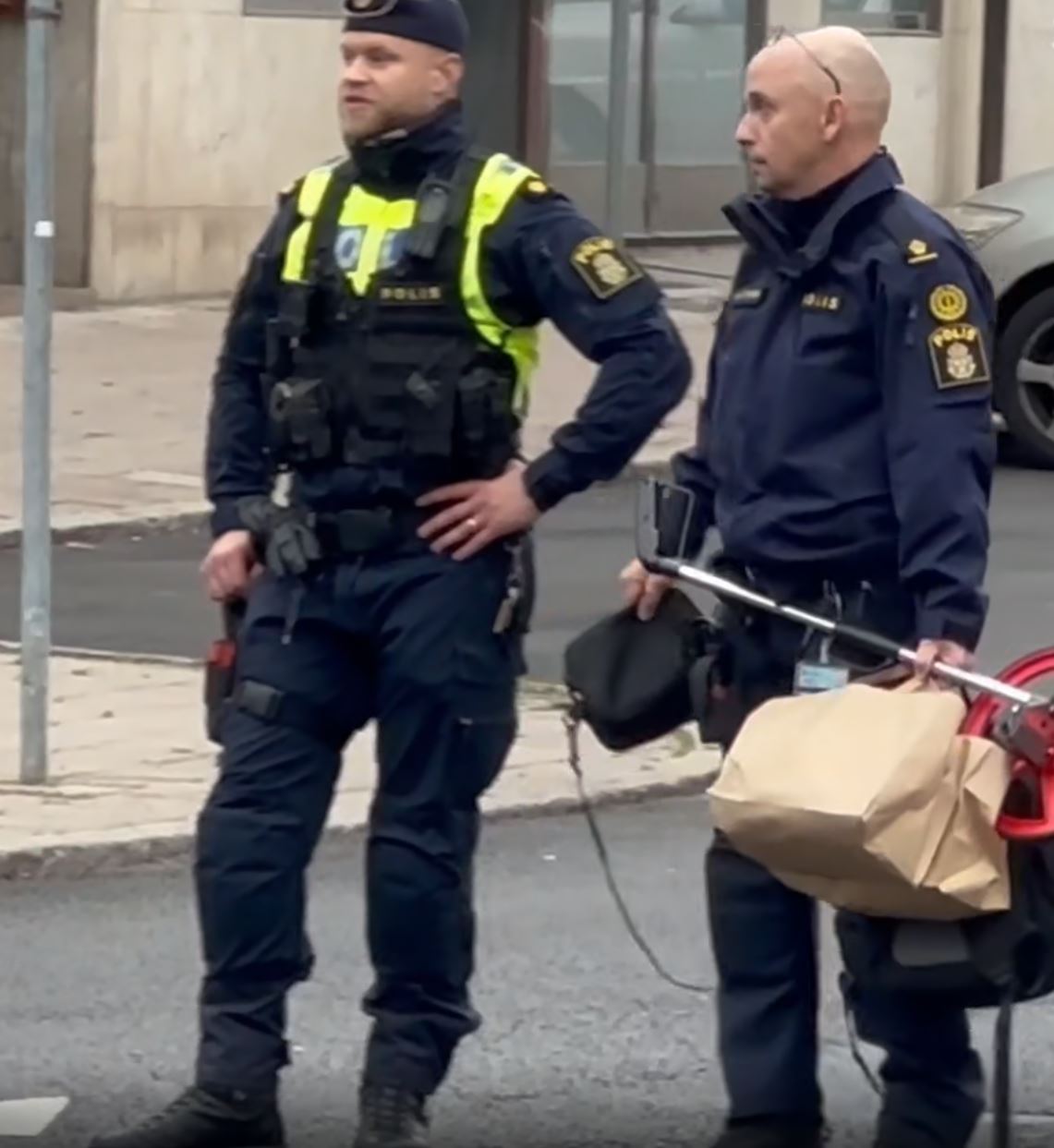
Police have ruled out terrorism as a motive but have acknowledged the broader societal risks posed by gang activity and the involvement of increasingly younger individuals. Law enforcement presence has since been stepped up across the city to maintain public order.
Gävle: A City Under Pressure
Gävle, traditionally viewed as a mid-sized industrial and logistics hub in northern Sweden, has seen a worrying uptick in violent crime in 2025—particularly among youths. The October shooting is only the latest in a series of violent incidents.
In February, a man was shot dead in the Andersberg district in what authorities linked to ongoing gang rivalries. Just days earlier, another fatal shooting in the Öster area claimed the life of a 28-year-old man with known criminal affiliations. In that case, suspects included a 16-year-old—a growing indicator of how criminal networks are exploiting Sweden’s relatively lenient juvenile justice laws.
Societal Implications and Policy Debate
The Gävle shooting has reignited national and regional debate over the effectiveness of Sweden’s current approach to juvenile offenders, especially those under the age of criminal responsibility. While Swedish law emphasizes rehabilitation for young people, critics argue that this framework is being manipulated by organized gangs who increasingly recruit children to carry out violent crimes, knowing they will face minimal legal consequences.
This trend is not unique to Gävle. Across Sweden, law enforcement and social services are confronting rising numbers of underage individuals involved in shootings, drug trafficking, and extortion. In Gävle specifically, the pattern is becoming harder to ignore.
Economic and Business Ramifications
Although the direct business impact of the Gävle shooting is limited in the immediate term, the event contributes to broader concerns about social stability in key regional cities. Companies operating in areas perceived as unsafe may face higher costs related to security, employee retention, and insurance. Moreover, reputational risk is becoming an increasingly important consideration for investors assessing regional development opportunities.
From a policy perspective, there is growing pressure on municipal and national leaders to implement tougher measures to prevent youth involvement in organized crime. Proposals under discussion include lowering the age of criminal responsibility, expanding powers for social services, and increasing funding for community-based intervention programs.
Looking Ahead
As the investigation continues, authorities are urging calm but acknowledge the case could mark a turning point in how Sweden confronts youth crime and gang violence. “We have a relatively good picture of what happened,” said Wessén, though she declined to offer details on motive or potential accomplices.
The case not only underscores Gävle’s emerging status as a hotspot for youth violence, but also raises broader questions about Sweden’s capacity to manage the complex intersection of organized crime, social policy, and legal reform.
Whether this was an isolated act or part of a larger network of youth-led gang violence, it has become a catalyst for national introspection—and potentially, systemic change.