
Commercial pay-offs from 2025 Nobel-winning science are already appearing in Nordic biotech portfolios and may soften the region’s reputation for sky-high biologic price tags.
Stockholm – When the Nobel Assembly rang Mary E. Brunkow at her Seattle home early on Monday, the call did more than crown three decades of immunology; it validated a platform on which several Scandinavian biotechs have quietly built pipelines they hope will shave the 30–40% price premium Nordic health systems pay for biologics.
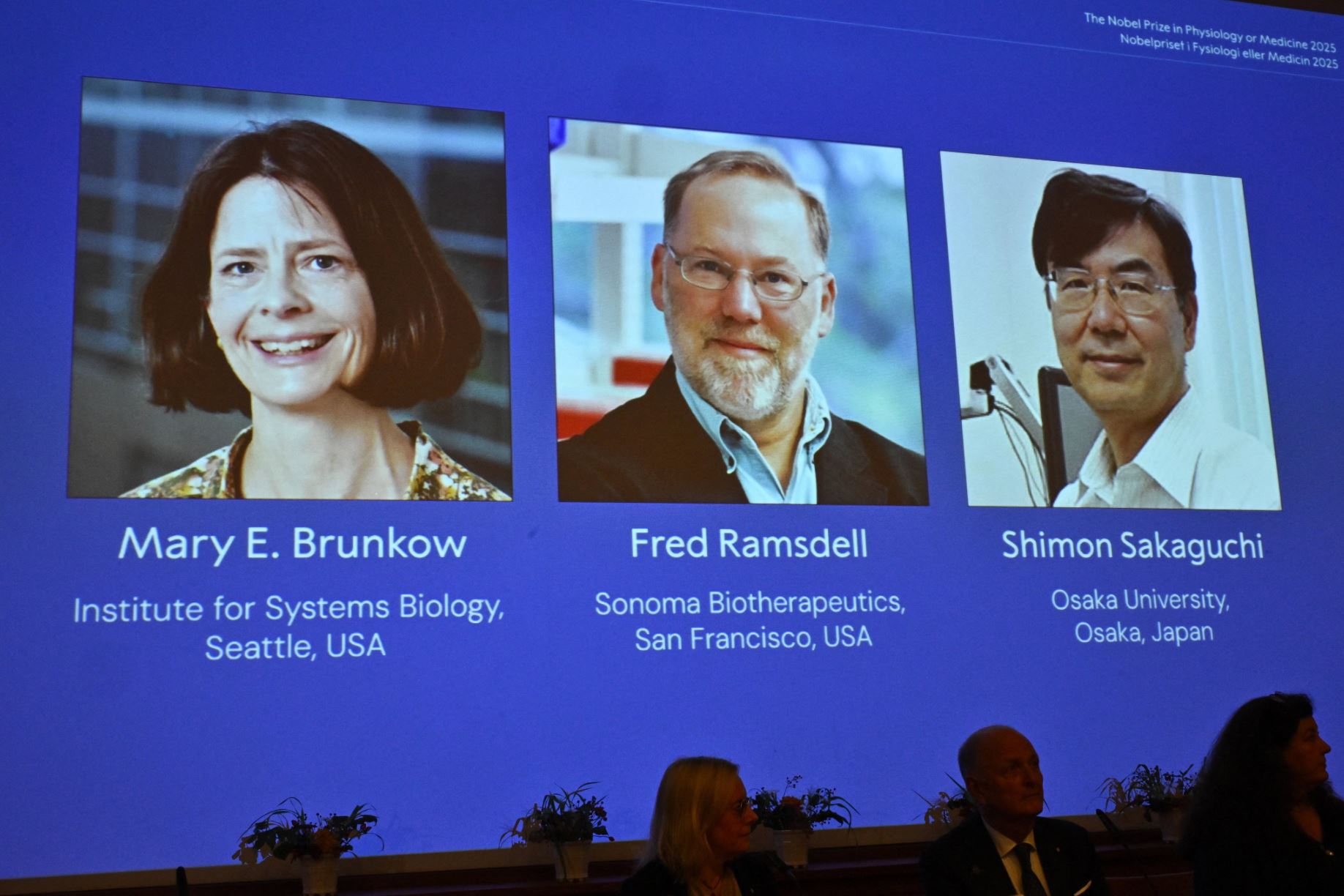
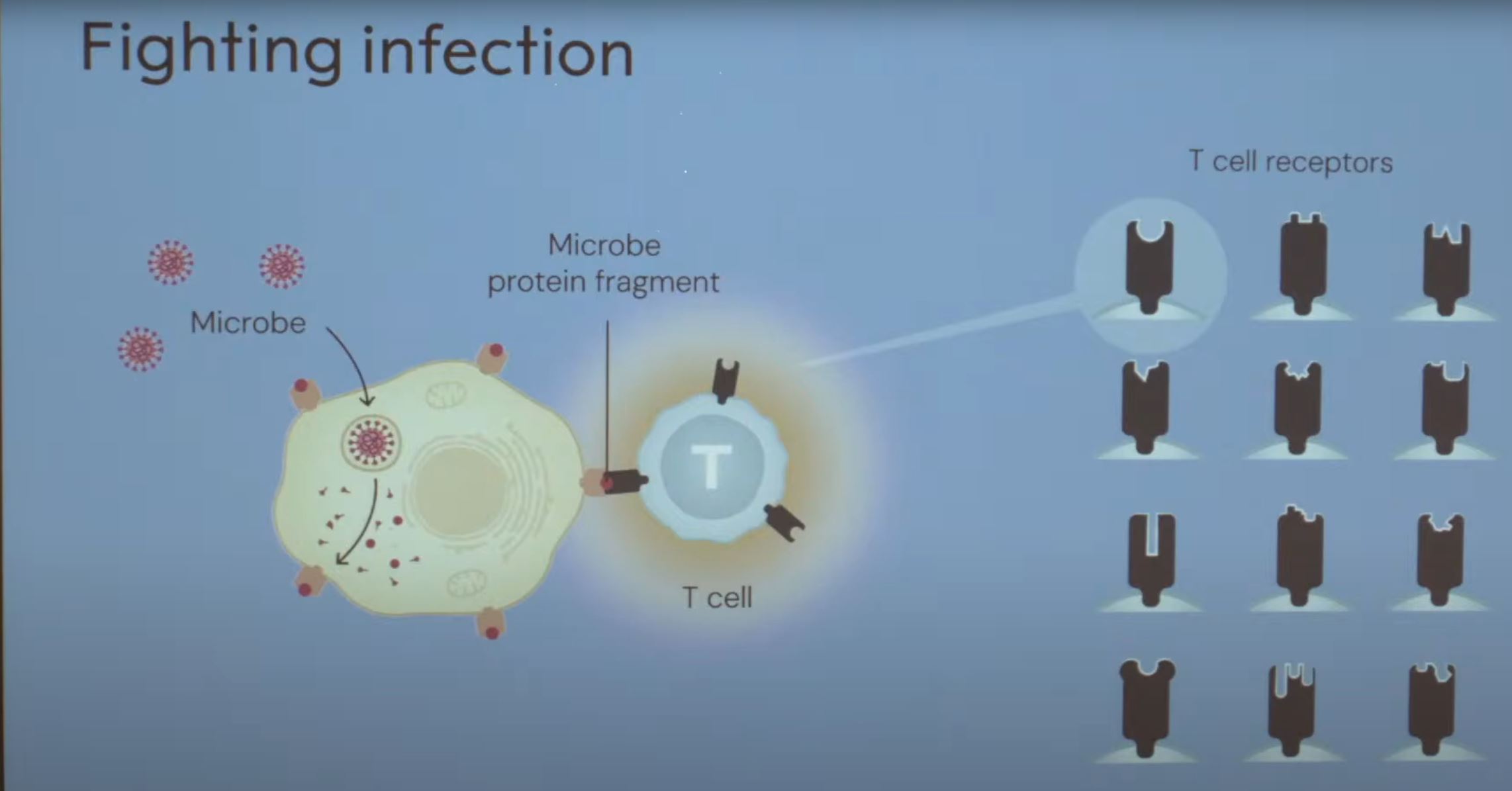
Brunkow, Fred Ramsdell and Shimon Sakaguchi share the 2025 Nobel Prize in Physiology or Medicine for decoding peripheral immune tolerance – the molecular “off-switch” that stops T-cells from attacking the body’s own tissues. Their combined work revealed a rare population of “security-guard” cells, regulatory T cells (Tregs), and showed that the gene FOXP3 is their master regulator. Knock-out the gene and mice – or children born with the human equivalent mutation – develop the devastating multi-organ auto-immunity known as IPEX syndrome.
From mouse mutation to market valuation
The discovery has already spun out a cluster of companies now watched by Nordic investors:
- Sonoma Biotherapeutics (co-founded by Ramsdell) raised USD 70 million last year with Regeneron as cornerstone backer; its lead Treg-modulator for ulcerative colitis is expected to enter Phase II in 2026.
- Quell Therapeutics, partnered with AstraZeneca, is running a European trial network that includes Swedish academic hospitals in Gothenburg and Uppsala.
- BlueRock Therapeutics (Bayer subsidiary) is moving FOXP3-engineered cell therapy for Parkinson’s through Swedish Medical Products Agency review – the first Nordic site to host a Treg-derived neuro-immunology study.
“We are essentially moving from a blunt, lifelong immunosuppression model to antigen-specific calibration,” explains Dr. Nils Landegren, paediatric immunologist at Uppsala University and SciLifeLab.”
That could cut hospitalisation days and downstream biologic switching, both of which feed Nordic price inflation.”
Why the region pays more – and how Tregs could help
Nordic countries register some of Europe’s highest per-patient costs for autoimmune biologics – roughly SEK 115,000 (≈ EUR 10,000) annually for anti-TNF drugs in rheumatoid arthritis, according to the Nordic Council of Ministers’ 2024 pharmaceutical report. Price negotiations are tough because:
1. Small, wealthy populations limit volume-based discounts.
2. Stringent budget-impact thresholds require proof of reduced total healthcare consumption, not just drug acquisition cost.
3. High clinician uptake of originators slows biosimilar penetration.
Treg-directed therapies promise two levers: durable remission (reducing biologic cycling) and lower infection burden (fewer hospital days). Early health-economics modelling by Sweden’s TLV (Dental & Pharmaceutical Benefits Agency) suggests a 25% fall in lifetime treatment cost if second-generation Treg drugs achieve even a one-year extension of biologic-free remission.
Clinical trials already recruiting in the Nordics
More than 200 trials worldwide are now testing Treg expansion or FOXP3 modulation, with Denmark’s Rigshospitalet and Finland’s Helsinki University Hospital among the largest EU recruiters. Nordic sites benefit from national biobanks that have FOXP3-mutation carriers mapped since newborn-screening pilot projects began in 2019. “That gives us stratified-trial options you rarely see outside the Nordics,” says Dr. Marie Wahren-Herlenius, Karolinska Institute professor and Nobel Committee member.
Cancer flip-side: when tolerance becomes the enemy
The same Treg shield that protects healthy tissue can be hijacked by tumours. Oncology pipelines are therefore moving in the opposite direction – depleting Tregs inside tumours while sparing peripheral pools. Swedish start-up StrikeTreg (seed funded by Industrifonden and Norwegian Sarsia) is developing an antibody that selectively deletes intratumoral FOXP3-high cells. The asset, licensed from Oslo University, is slated for first-in-human studies at Copenhagen’s Herlev Hospital next year.
Regulatory fast-tracks and pricing pressure
EMA’s PRIME scheme has already granted support to two Treg programs with Swedish CRO involvement; FDA breakthrough status is under review for Sonoma’s lead candidate. Rapid approval paths intensify payer scrutiny, but companies argue the “one-shot, disease-modifying” narrative could justify premium pricing similar to CAR-T. “The challenge is showing durability beyond five years,” notes Ulrika Hägg, life-science partner at McKinsey Stockholm. “If Nordic authorities see a credible cure fraction, they may accept higher upfront cost to vacate decades of biologic spend.”
Looking ahead – a Nobel bounce for Nordic life-science clusters
Industry association Swedish Life Sciences estimates that every percentage point of global Treg market share captured by Nordic firms could translate into SEK 1.2 billion annual export value and 1,500 specialised jobs. With the Nobel spotlight now fixed on immune tolerance, regional incubators such as Medicon Village (Lund) and Oslo Cancer Cluster are expanding lab space dedicated to cell-engineering GMP suites.
“The science is mature; the commercial inflection is 2026-28,” predicts Brunkow in a post-announcement interview. “We spent thirty years convincing people tolerance was druggable. The next decade is about proving it is also reimbursable – and the Nordics are the perfect test case.”
Bottom line for payers, investors and patients:
The same cellular brake pedal that keeps our immune system from self-destructing is poised to become a volume dial for drug budgets across the Nordics – potentially lowering lifetime therapy cost for thousands with autoimmunity, while opening a new revenue valve for home-grown biotech.
The Nobel laureates will receive their medals from King Carl XVI Gustaf at the Stockholm Concert Hall on 10 December, sharing the SEK 11 million purse equally.