
Sweden is entering the winter season without a critical electricity reserve for the first time in over a decade, raising concerns about potential power outages if extreme weather or unexpected disruptions hit the grid.
The Swedish national grid operator, Svenska Kraftnät, has been forced to cancel its procurement of a strategic electricity reserve—a backup system designed to prevent blackouts during periods of acute shortage. The cancellation stems from new EU state aid rules that cap how much the government can pay for such emergency capacity. In the latest tender, all three bids exceeded the legally permitted price ceiling, leaving no viable option to secure reserve power in time for this winter.
“The situation is very challenging,” says Pontus de Maré, Operations Manager at Svenska Kraftnät. “It will be extremely difficult to establish a functional reserve before the winter is over.”
A Safety Net Gone Missing
For several winters, Sweden relied on the oil-fired Karlshamn power plant as a strategic reserve. However, that agreement expired after last season, and the new procurement process—governed by stricter EU regulations—failed to yield an affordable solution. The strategic reserve has historically acted as an insurance policy, allowing Svenska Kraftnät to avoid the drastic step of implementing controlled power cuts during supply crunches.
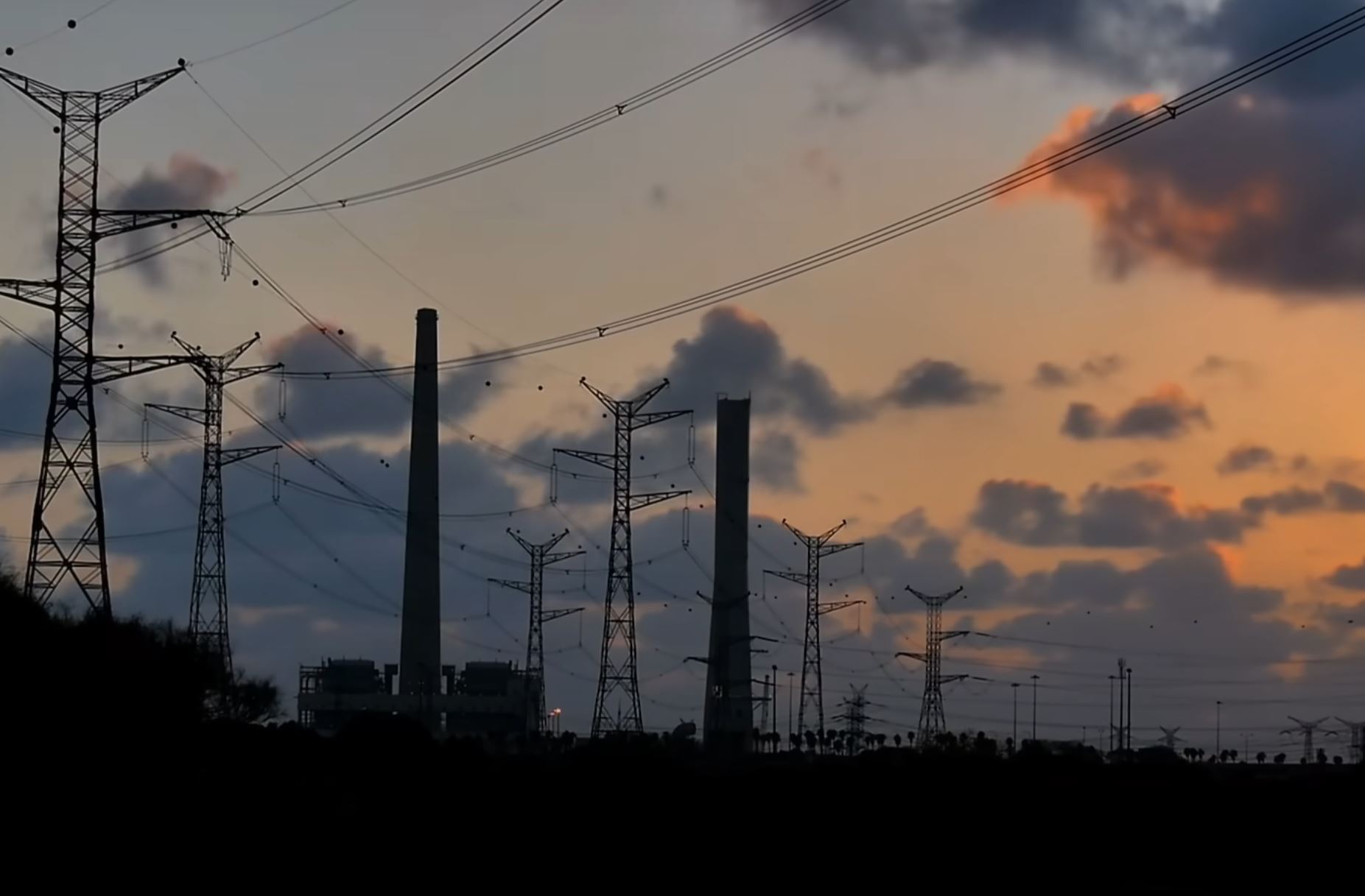
Now, that safety net is gone.
Two High-Risk Scenarios
De Maré warns of two particularly dangerous scenarios that could push the system to its limits:
1. A pan-European cold snap—combined with low wind output and constrained electricity imports—could drastically reduce available supply.
2. Unexpected technical failures, such as the unplanned shutdown of one or two nuclear reactors (a not-uncommon occurrence) or disruptions to critical transmission infrastructure.
While Sweden has not had to manually disconnect consumers since records began—and the reserve was last activated in 2012—the absence of this buffer increases vulnerability during peak demand periods.
Price as the Last Line of Defence
In the absence of a physical reserve, market mechanisms may become the primary tool to manage shortages. If supply tightens, electricity prices are expected to surge, signalling consumers and businesses to reduce usage.
“Price spikes will be the first real indicator that the system is under stress,” explains de Maré. “They prompt immediate behavioural changes that can help avoid blackouts.”
Call for Regulatory Action
Svenska Kraftnät now urges both the Swedish government and EU authorities to urgently revisit the regulatory framework governing strategic reserves. Without adjustments that allow for more flexible pricing during genuine emergencies, future winters could see Sweden increasingly exposed to energy insecurity.
As temperatures drop and Europe braces for another volatile energy season, Sweden’s lack of a backup plan underscores the delicate balance between market efficiency, regulatory compliance, and national resilience.