
AstraZeneca is making one of its boldest moves yet in artificial intelligence and gene editing. The company will pay up to $555 million to Algen Biotechnologies, a San Francisco startup using machine learning to map how genes drive immune diseases.
The deal gives AstraZeneca exclusive rights to develop and commercialize CRISPR-based therapies that emerge from Algen’s discovery engine, AlgenBrain™. In exchange, Algen will hand over a ranked list of genetic targets while AstraZeneca funds the heavy lifting—from preclinical work to global trials and commercial rollout.
A Calculated Bet, Not a Budget Breaker
The financial structure is familiar: a small upfront payment—believed to be in the low tens of millions—and up to $540 million in milestones tied to research and regulatory progress.
For AstraZeneca, that’s a rounding error in a $7.5 billion annual R&D budget. Even so, analysts estimate the probability-adjusted cost at just $65–80 million today. The potential reward is far larger. If even one therapy hits blockbuster status, Morgan Stanley thinks it could lift 2030 group sales by 2–3% and earnings by $0.15 a share.
AI in the Lab, Scientists in the Driver’s Seat
Algen’s system uses single-cell RNA data—roughly 10 billion molecular profiles—to predict which genes control immune responses. AstraZeneca’s 150-strong AI and genomics teams in Cambridge and Gaithersburg will test those predictions using their own CRISPR libraries and patient datasets.
The collaboration could cut early discovery times by up to 30%. No new labs are being built; instead, AstraZeneca is expanding its digital reach. The agreement covers any therapeutic format—mRNA, oligonucleotides, cell therapy, or biologics—giving project teams freedom to pivot as science or regulation evolves.
“It’s not about outsourcing innovation,” said one AstraZeneca researcher. “It’s about accelerating it.”
Industry Applause—With Caveats
The partnership landed well on Wall Street. It places Algen in the same league as AI-first biotechs like Exscientia and Atomwise, whose deals with Bristol Myers Squibb and Sanofi signalled that computational discovery is now mainstream.
Algen’s platform promises to go a step further, offering “tunable” single-cell gene modulation and causal mapping that could solve one of biotech’s biggest problems: finding targets that actually work in humans.
But not everyone’s convinced. Independent scientists note that Algen’s work hasn’t yet been widely peer-reviewed, and many AI-generated targets crumble when tested in complex immune environments. Competitors like Novartis and Johnson & Johnson already run their own gene-therapy foundries, and regulators still treat CRISPR as a high-risk category requiring years of long-term safety data.
Why Sweden and the Nordics Should Care
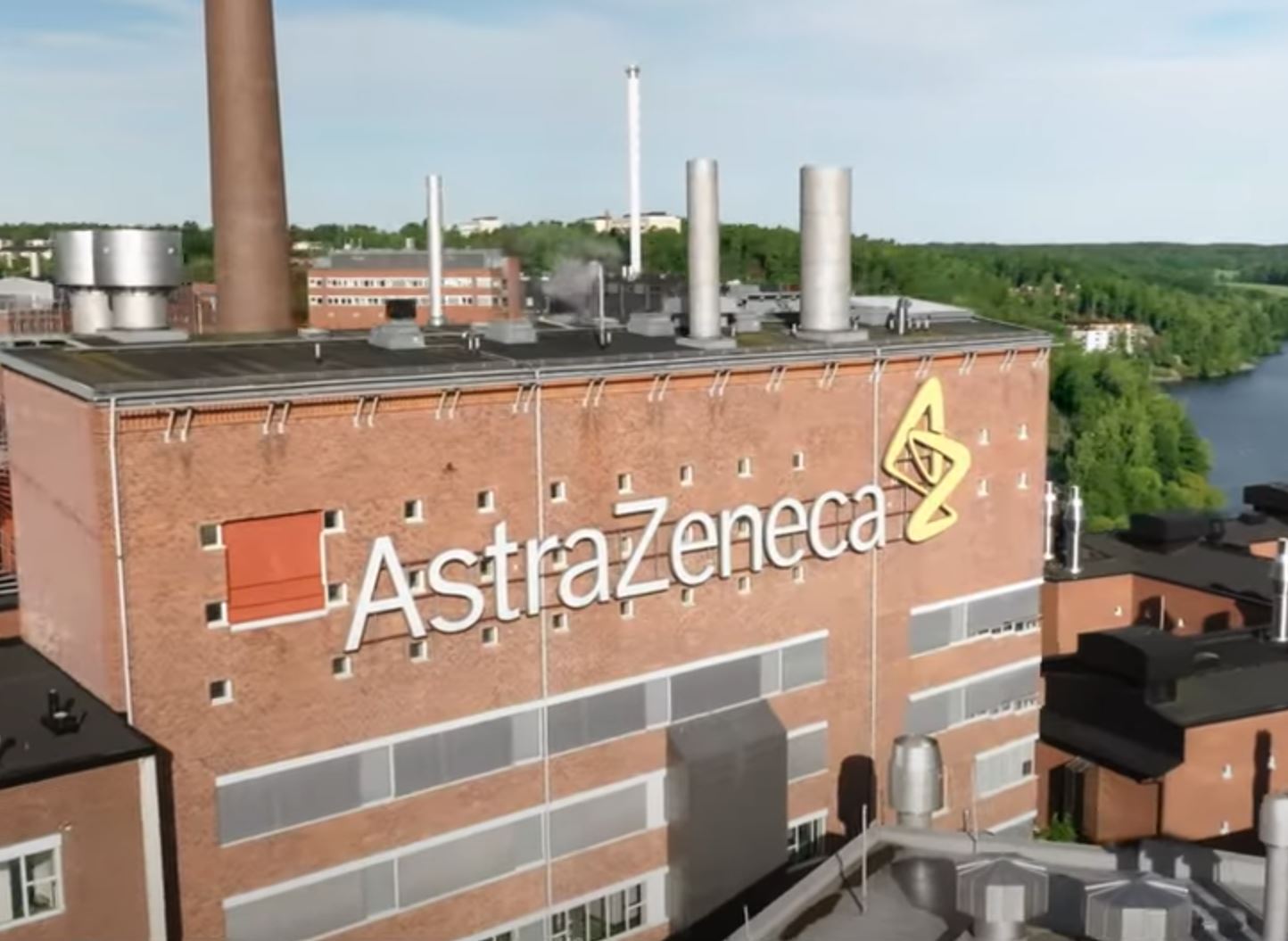
AstraZeneca’s Södertälje facility, now undergoing a SEK 1.4 billion upgrade for gene therapies, stands to benefit directly. Any Algen-derived drug that makes it to market could be filled and finished there, creating high-skilled jobs and boosting local manufacturing revenues.
The region’s extensive genomic and health registries also give AstraZeneca an edge. Those datasets help train its AI models and make Nordic patients’ prime candidates for early-stage trials.
For biotech founders in Copenhagen, Oslo, and Lund, the message is clear: if you can build AI platforms that solve pharma’s hardest discovery problems, the buyers are ready—and the checks are large.
The Big Picture
The numbers matter less than the direction. AstraZeneca is shifting from a company built on small molecules and antibodies to one betting on precision genome medicine. Immunology is its second-largest growth area after oncology, and this deal cements that focus.
The real test will come in late 2026, when the first preclinical results arrive. That’s when the industry will learn whether AI and CRISPR together can finally deliver what decades of immunology research have promised—treatments that fix disease at its genetic root.