
In modern defence, technology moves faster than procurement. What works today might be obsolete in a month. Sweden’s defence giant Saab thinks it has a solution: sell weapons and defence systems on subscription.
At first, that sounds strange—guns and missiles as a service—but it’s a logical response to how warfare is changing. Especially when it comes to drones and the systems built to stop them.
A New Arms Race
Denmark’s Defence Minister, Troels Lund Poulsen, put it bluntly after drones were spotted over airports and military facilities:
“What you can detect today may be difficult to detect in two or three weeks.”
He called it “an arms race against time.” The threat evolves constantly. That means defence systems need to evolve just as fast. Buying a static radar or counter-drone setup no longer cuts it.
Saab’s Subscription Pitch
Saab’s answer: don’t sell one system, sell continuous capability.
Instead of purchasing a single radar or anti-drone unit that becomes outdated, countries could subscribe to an ongoing service where Saab handles upgrades—software, hardware, even full replacements—over time.
“We provide initial capacity and make sure they have what they need within an agreed timeframe. Then we continuously upgrade the system,” says Saab CEO Michael Johansson. “Just like your iPhone gets new software updates, our defence systems do too.”
Saab is already in talks with Sweden’s military about this model, focusing first on drones and counter-drone systems.
From Cars to Combat Systems
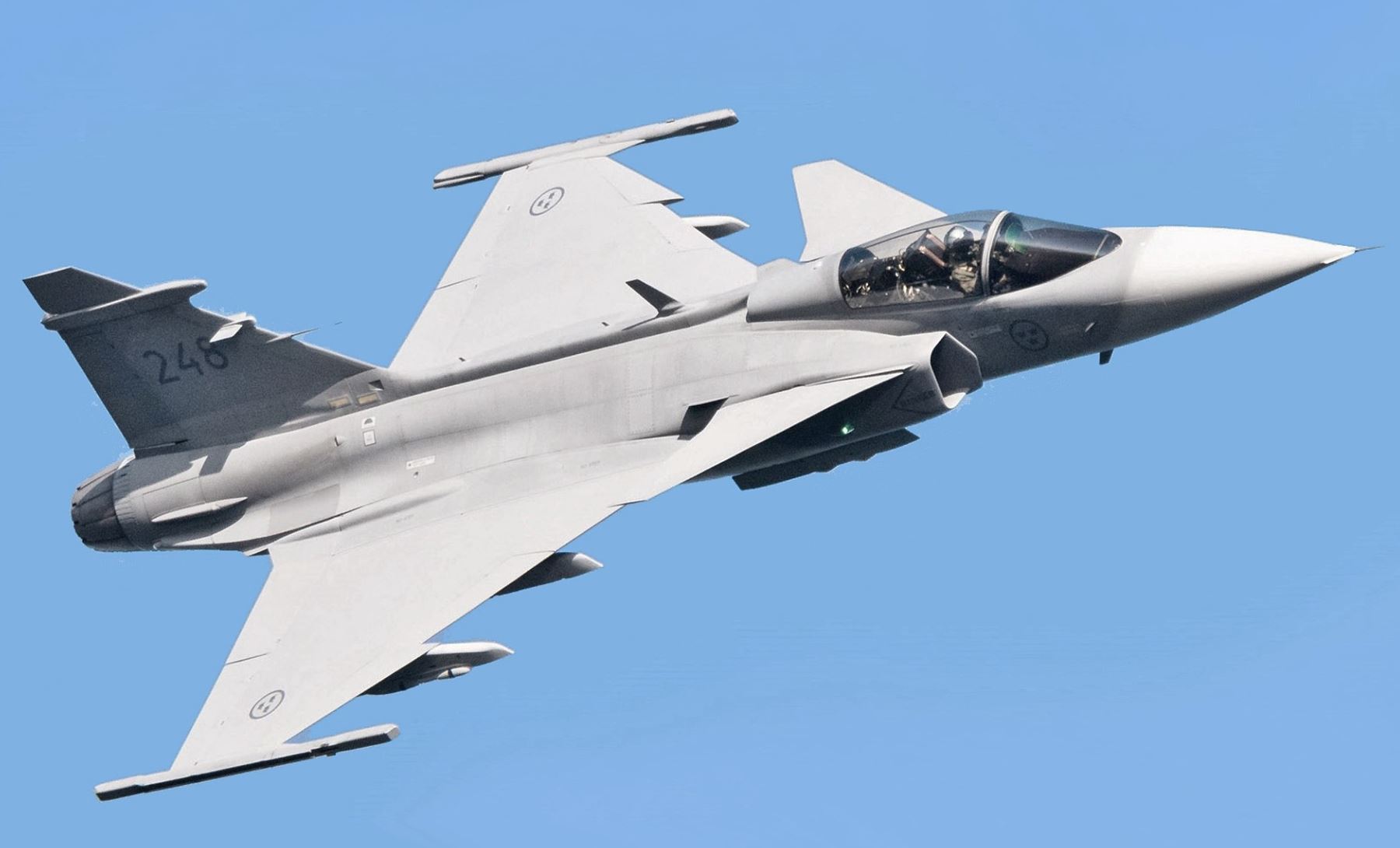
Many still associate Saab with cars, but those days ended in 2011. Today, it’s one of Europe’s biggest defence companies, employing more than 27,000 people—including 400 in Denmark. The company builds submarines, precision weapons, radars, drones, and the well-known Gripen fighter jet that once competed with the F-35 for Denmark’s air fleet.
Johansson says the company’s focus on rapid innovation comes from necessity: “Drones and anti-drone systems are in constant competition. Unmanned systems will be an essential part of every defence strategy in the future.”
Why Subscriptions Make Sense
Defense tech today is as much about software as hardware. That means upgrades can happen continuously, without replacing entire systems. Still, Johansson notes, hardware platforms eventually need physical updates too.
“Instead of waiting years for a single system with a fixed function, we offer what’s available today—and promise to upgrade sensors and software as the technology improves,” he says.
That goes both ways. Drones will also evolve to avoid detection, forcing anti-drone systems to stay one step ahead.
What Saab Is Already Delivering
Saab’s own anti-drone system, now used by the Swedish military, combines radar, optical, and electronic sensors with AI-driven analysis. It can tell the difference between a bird, a friendly drone, or an enemy aircraft—and decide whether to respond with small ammunition or missiles.
If Denmark is interested, Johansson says delivery could be fast: “We have the systems in production. They’re basically ready off the shelf.”
Business and Battlefield
Saab isn’t just pitching a new defence philosophy—it’s also tapping into a booming market. The company’s stock has surged 135% this year and more than 500% over the past three years. Subscription defence would lock in long-term partnerships and predictable revenue.
“It’s about trust,” Johansson says. “Customers know we have things under control, that we stay ahead of new technology. And if a crisis hits, they know we can deliver hundreds of thousands of drones quickly because the production capacity is already built in.”
Bottom line:
Saab isn’t just selling weapons anymore—it’s selling adaptability. In a world where threats shift every few weeks, that may be the most valuable defence system of all.