
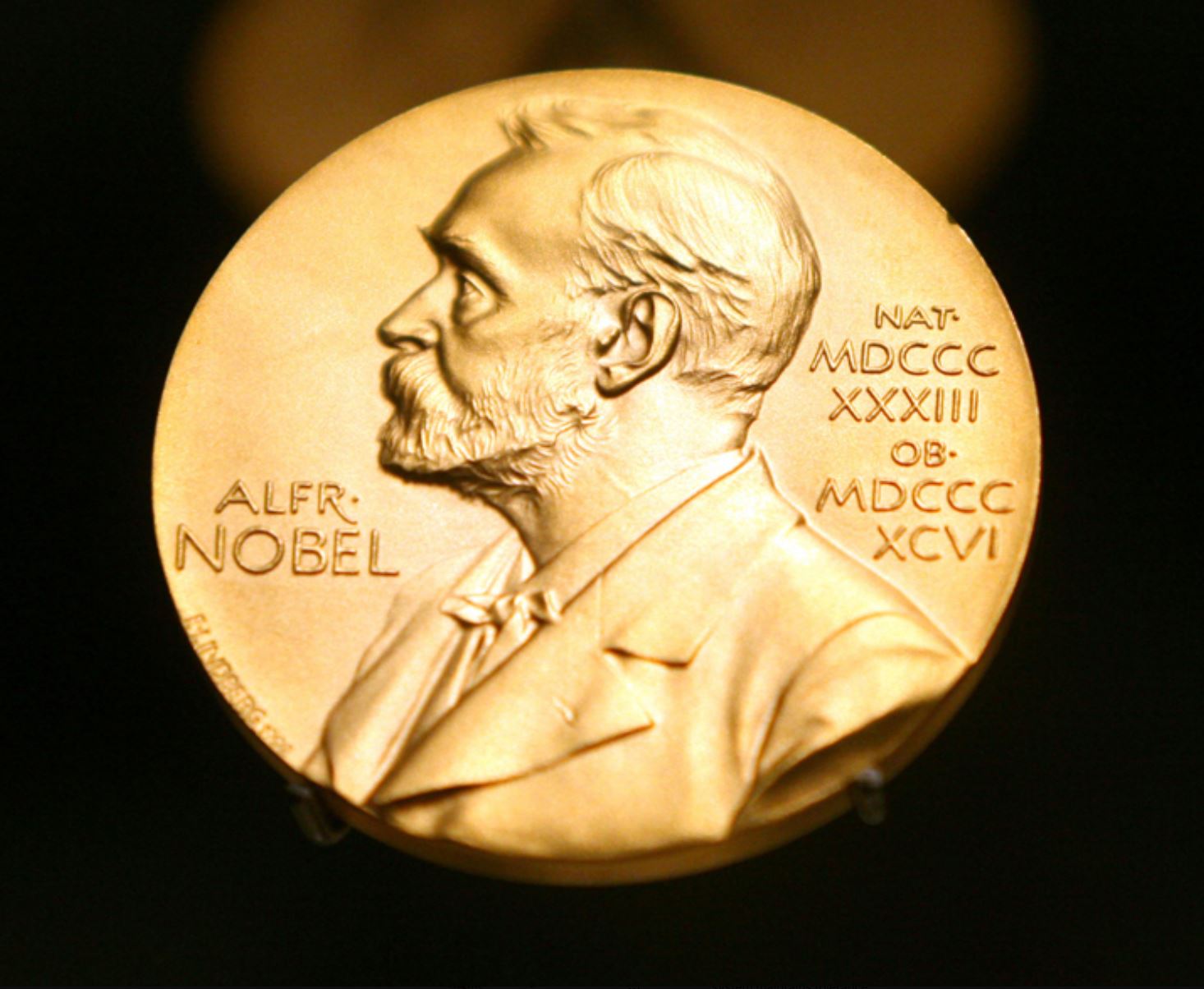
In a landmark recognition of transformative materials science, the Royal Swedish Academy of Sciences has awarded the 2025 Nobel Prize in Chemistry to Susumu Kitagawa, Richard Robson, and Omar M. Yaghi “for the development of metal-organic frameworks (MOFs).” The announcement was made today during a press conference in Stockholm.
“Metal-organic frameworks open up unprecedented possibilities,” said Heiner Linke, Chair of the Nobel Committee for Chemistry. “They allow us to design functional materials with atomic precision—materials that can store, separate, and transform molecules in ways once thought impossible.”
MOFs are crystalline structures composed of metal ions linked by organic molecules, forming highly porous, sponge-like architectures with enormous internal surface areas. These materials can capture everything from atmospheric water vapor and carbon dioxide to hazardous pollutants—offering revolutionary solutions for clean water, clean air, and climate change mitigation.
The journey to today’s breakthroughs began in 1989, when Australian chemist Richard Robson first attempted to construct a porous crystal using copper ions. Though his early frameworks lacked stability, Robson’s visionary work laid the conceptual foundation for a new class of materials.
Japanese chemist Susumu Kitagawa advanced the field by engineering the first stable, permanently porous MOFs in the late 1990s—demonstrating that these structures could retain their architecture even after removing guest molecules, a critical milestone.
Meanwhile, Jordanian-American scientist Omar M. Yaghi developed a robust MOF in 1995 with a surface area equivalent to a football field in just a few grams of material. His frameworks remained intact even at temperatures up to 300°C, proving their practical viability. Yaghi, long considered a Nobel frontrunner, has since pioneered MOFs capable of harvesting drinking water from desert air and removing toxic “forever chemicals” like PFAS from water supplies.
“MOFs represent a completely new paradigm in materials design,” said Maria Strömme, a member of the Royal Swedish Academy of Sciences. “We can now engineer materials atom by atom to store energy, purify air, or capture greenhouse gases with extraordinary efficiency.”
Current research is exploring MOF-based technologies to directly remove carbon dioxide from the atmosphere—a potential game-changer in the fight against global warming. Pilot projects are already underway in Canada.
Upon hearing the news, Susumu Kitagawa expressed his gratitude: “I am deeply honoured to receive this award. It is a testament to decades of collaborative curiosity and the power of molecular architecture to address humanity’s greatest challenges.”
With their groundbreaking work, Kitagawa, Robson, and Yaghi have not only redefined the boundaries of chemistry—they’ve built the scaffolding for a more sustainable future.