
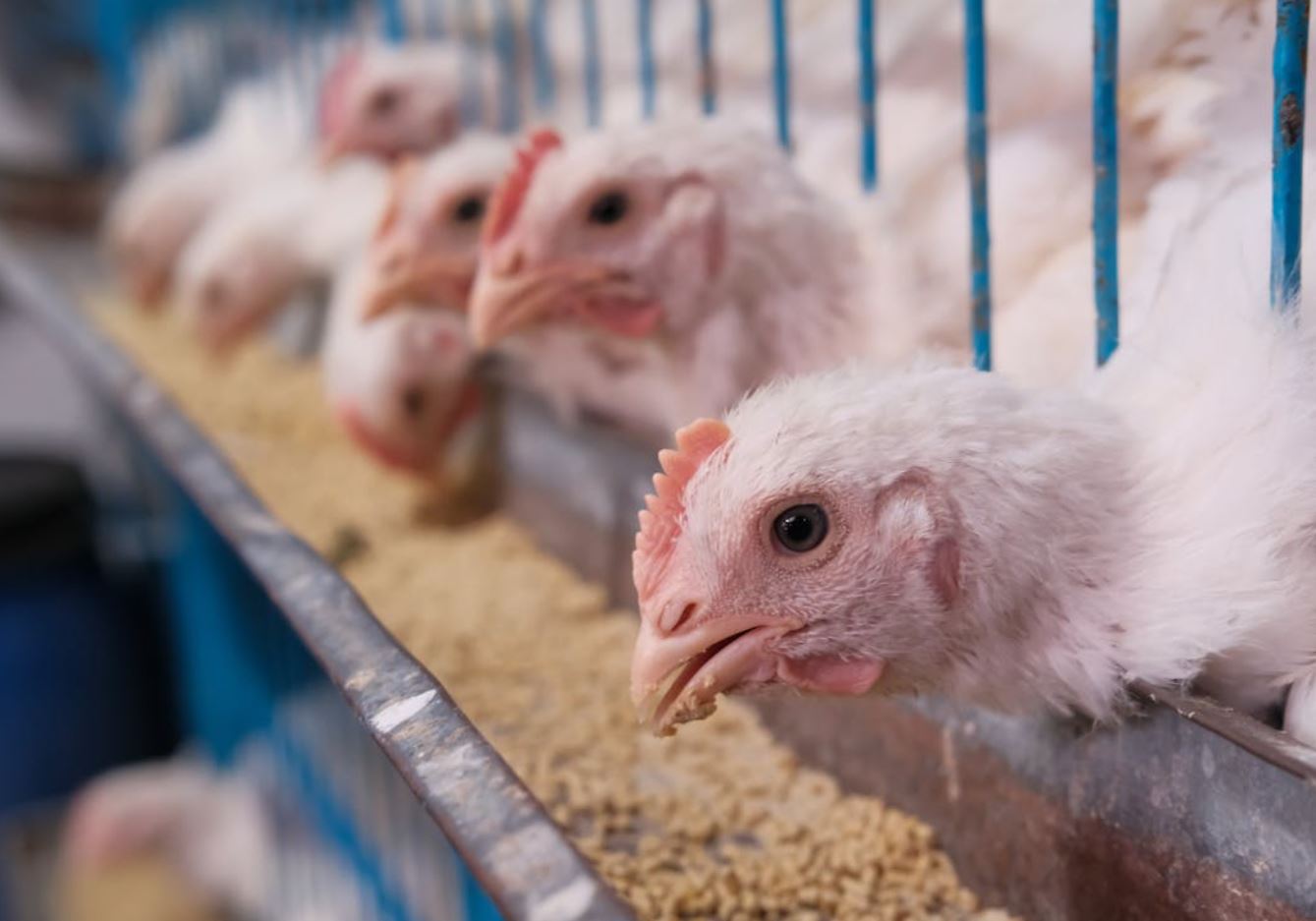
On October 8, 2025, Danish authorities confirmed an outbreak of highly pathogenic avian influenza (H5N1) at a commercial poultry farm near Fredericia, in southeastern Jutland. In response, 150,000 laying hens are being culled to prevent further spread of the virus. This marks Denmark’s first outbreak in a commercial flock since April 2025, when restrictions on poultry farming were lifted after a previous wave of infections.
Key Details:
– Virus Strain: H5N1, known for high contagion and mortality in birds.
– Location: Farm near Fredericia, Jutland.
– Action Taken: Immediate culling of all 150,000 birds on the affected farm.
– Timing: Outbreak confirmed on Tuesday, October 7; culling began Wednesday, October 8.
– Previous Outbreak: Last confirmed case in Denmark was in April 2025, after which nationwide restrictions were lifted.
Broader Context:
– Regional Impact: The same week, the Netherlands also reported an H5N1 outbreak, leading to the culling of 71,000 chickens at a farm in the northern part of the country.
– Wild Bird Migration: Experts warn that the autumn migration season increases the risk of avian influenza spreading via wild birds, making this a high-risk period for poultry farms across Europe.
– Biosecurity Measures: Danish authorities have reinstated strict biosecurity protocols, including surveillance zones around the affected area and heightened monitoring of nearby farms.
Health and Trade Implications:
– No Human Cases: There have been no reports of human infection linked to this outbreak. However, H5N1 remains a zoonotic concern, especially for those in direct contact with infected birds.
– Trade Impact: While Denmark has not imposed a national export ban, the outbreak may affect regional poultry trade, especially if the virus spreads or if other countries impose import restrictions.
Ongoing Monitoring:
– The Danish Veterinary and Food Administration (Fødevarestyrelsen) and Statens Serum Institut are leading the response, including epidemiological tracing and wild bird surveillance.
– Authorities are urging poultry farmers nationwide to reinforce biosecurity and report any signs of illness or increased mortality in flocks.
This outbreak underscores the persistent threat of avian influenza in Europe and the importance of rapid containment strategies to protect both animal and public health.