
In the 2026 Times Higher Education (THE) World University Rankings, Karolinska Institute (KI) slipped from 49th to 53rd place—its first time outside the global top 50.
At first glance, that looks like a setback. But a closer look tells a different story. KI’s own website confirms its 2026 placement (52nd overall and 14th in Europe) and makes clear the drop didn’t come from weaker subject performance. In fact, KI held steady or improved slightly: 13th worldwide in Clinical & Health and 31st in Life Sciences. Those are the same strengths that have long defined the university.
So, what happened? THE adjusts its ranking formula every year—tweaking how it weights citations, reputation surveys, and industry income. This year, several Asian and U.S. universities posted sharper citation growth and reputation gains. That reshuffling nudged some European schools down a few notches. KI’s composite score dipped by roughly 0.4 points—enough to push it from 49th to 53rd even though its underlying performance barely changed.
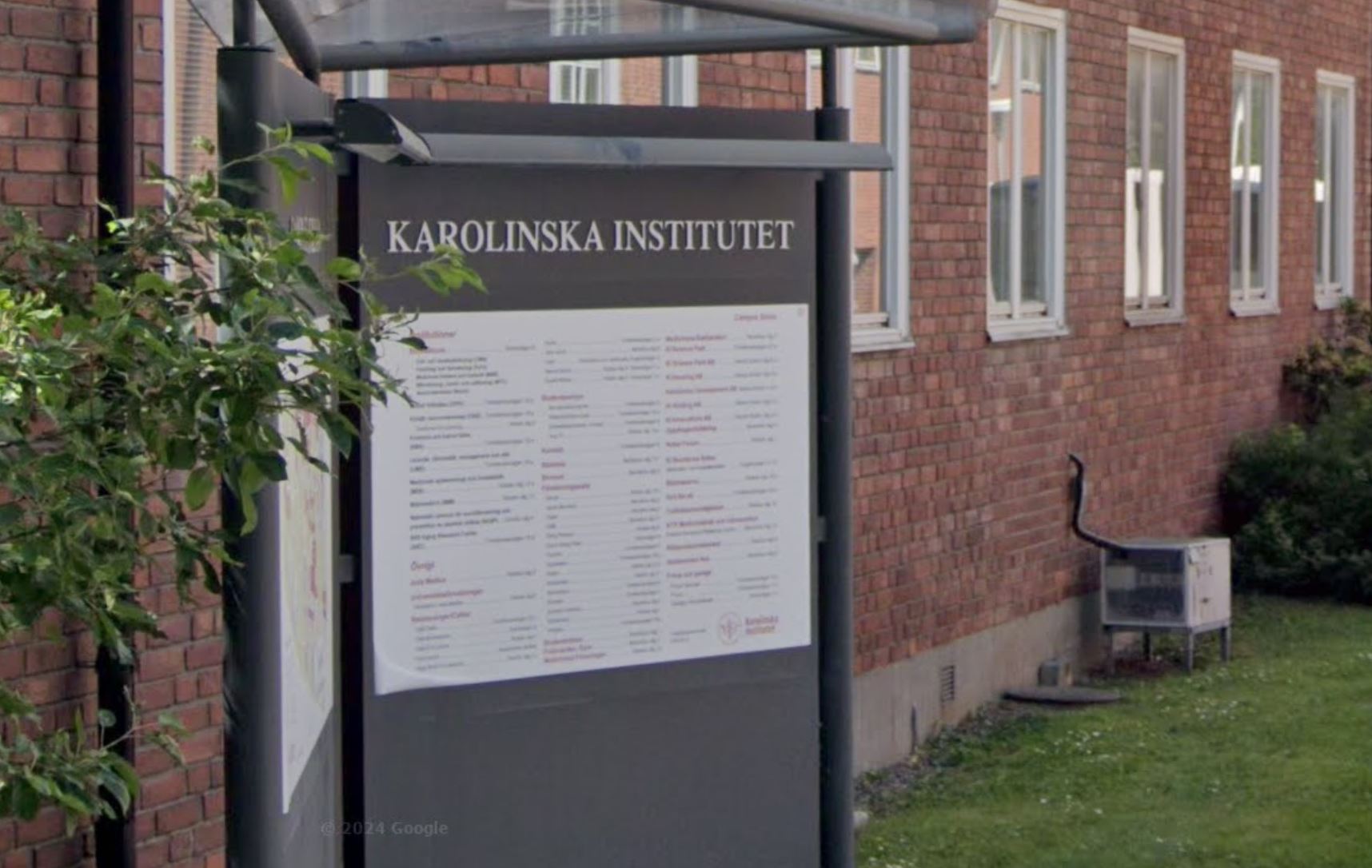
Bottom line: KI’s fall is relative, not real. Its research quality and teaching standards remain strong; the shift reflects small methodological changes and faster improvement elsewhere, not any internal weakness.
For perspective:
- Top-ranked Swedish university in 2025: Karolinska Institute (49th in THE 2025, 1st in Sweden)
- Top Nordic universities, 2025 (THE & CWUR cross-check):
| Rank | University | Country | THE 2025 | CWUR 2025 |
| 1 | University of Copenhagen | Denmark | 33 | 38 |
| 2 | Karolinska Institute | Sweden | 49 | 41 |
| 3 | University of Oslo | Norway | 119 | 69 |
| 4 | Lund University | Sweden | =95 | 129 |
| 5 | Uppsala University | Sweden | =130 | 67 |
Even after the 2026 adjustment, KI remains Sweden’s leading university and the second-highest ranked in the Nordic region. The headline may have changed, but the substance hasn’t.