
The rise of antibiotic-resistant bacteria is becoming a critical challenge for healthcare systems and the pharmaceutical industry worldwide. Data from international monitoring between 2018 and 2023 shows resistance levels exceeding 40% for several widely used antibiotics, with annual growth rates of 5–15%. Such trends are intensifying treatment complexity, increasing healthcare costs, and accelerating the search for new drug solutions.
Although Sweden has maintained relatively low resistance rates compared to many countries, specialists warn the nation cannot rely on its current position.
“Sweden is not an isolated island,” says Anja Rosdahl, infectious disease specialist at Örebro County. “Global patterns directly shape our domestic healthcare risks, and the economic impact of resistance is already significant.”
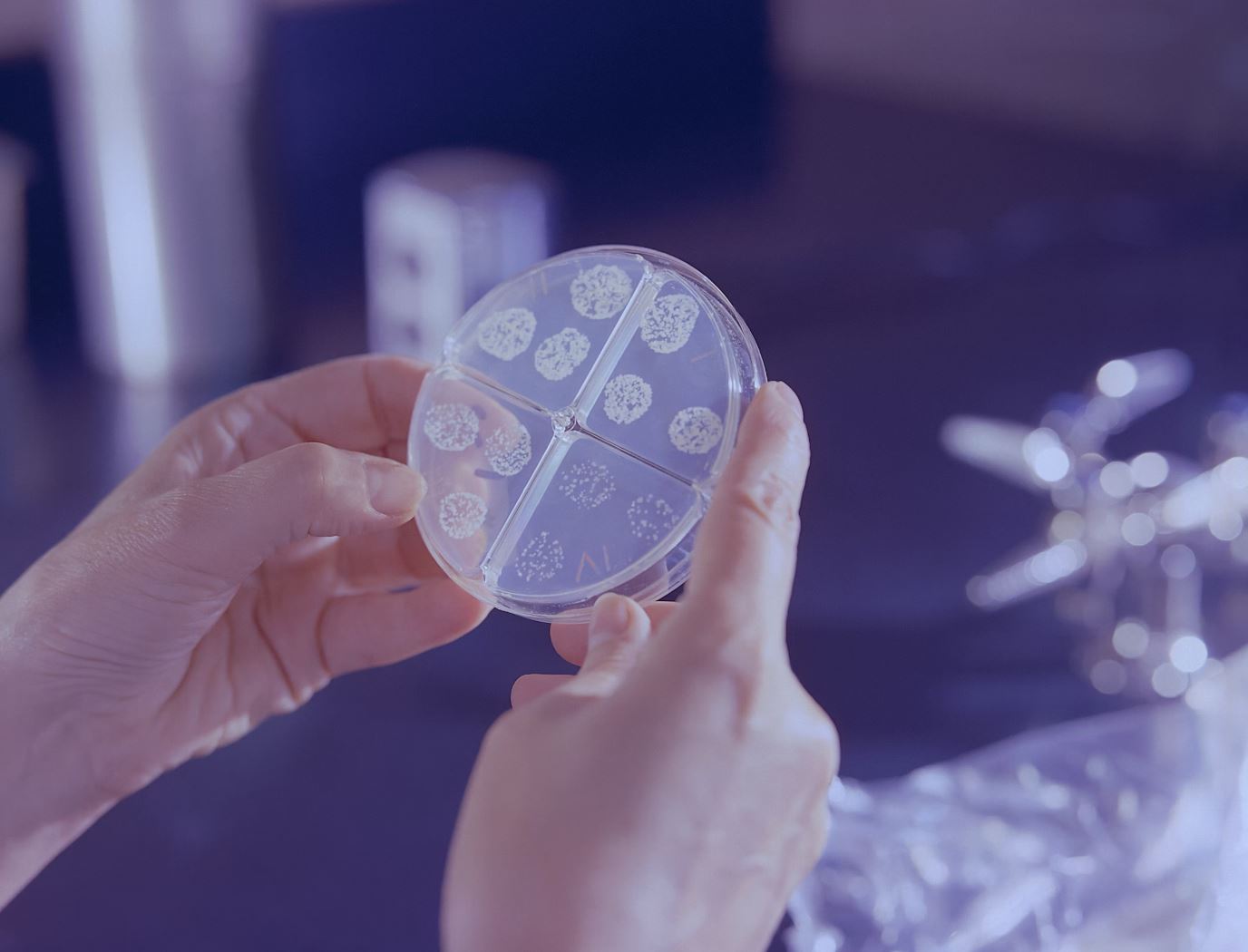
High-Risk Regions and Economic Consequences
Southeast Asia and the Eastern Mediterranean are currently the hardest-hit areas, where up to one-third of infections fail to respond to existing antibiotics. This creates potential importation risks as Swedes travel abroad, raising the likelihood of resistant strains entering the country’s healthcare system.
Healthcare authorities caution that imported resistant infections lead to longer patient stays, increased use of expensive last-line antibiotics, and higher operational costs for hospitals. For the pharmaceutical industry, rising resistance is spurring demand for innovation in antibiotic research, though R&D remains a costly and high-risk investment.
Preventive Strategies for Travellers and Policy Makers
Rosdahl stresses that preventive measures, including improved hygiene awareness during travel, are a cost-effective way to reduce the economic and clinical burden. Avoiding travel-related illnesses—particularly diarrhoea—lowers exposure to resistant bacteria.
From a policy perspective, Swedish stakeholders in both healthcare and pharmaceuticals will need to strengthen surveillance, invest in new antibiotic development, and expand public awareness campaigns. Without such measures, rising resistance will inevitably translate into higher national healthcare expenditure and increased pressure on medical supply chains.
Antibiotic Resistance Is Not News – How Evolution Met Human Error
Antibiotic resistance isn’t a new threat—it’s an old one we’ve made far worse. The phrase “not something new but it is rising” captures the core of the problem: resistance has always existed, but our behaviour has turned a natural process into a global emergency.
Part 1: Why It’s “Not Something New” — The Biological Arms Race
Resistance is evolution in action. Long before penicillin was mass-produced, bacteria were already finding ways to survive antimicrobial substances.
Natural Selection at Work: In any population of bacteria, a few will carry random mutations—or borrow genes from other microbes—that make them less vulnerable to an antibiotic. When we introduce the drug, it kills the easy targets and leaves behind the survivors. Those survivors multiply, passing on the genes that kept them alive.
Fleming’s Early Warning: Alexander Fleming, who discovered penicillin, predicted this exact scenario in 1945. He warned that misuse would inevitably lead to resistance. He was right.
In short, antibiotic resistance is an unavoidable outcome of evolution. What’s changed is the speed—and that’s entirely on us.
Part 2: Why It’s “Rising” — The Human Accelerators
Our use (and misuse) of antibiotics has turbocharged this natural process. Here’s how we’ve helped resistance spread.
1. Overprescribing in Human Medicine
Antibiotics are routinely given for illnesses they can’t treat, like viral colds or sore throats. Sometimes it’s due to patient pressure, sometimes physician caution. Either way, every unnecessary dose gives bacteria another chance to adapt.
Even when antibiotics are appropriate, doctors often choose broad-spectrum drugs—those that kill many types of bacteria—when narrow-spectrum ones would do. It’s like using a grenade to kill a mosquito: effective, but messy, and it breeds more resilient bacteria.
2. Agricultural Overuse
The bigger, quieter culprit lies in agriculture. For decades, farmers have added low doses of antibiotics to animal feed to make livestock grow faster and stay healthy in cramped conditions. The result: bacteria exposed to constant, sub-lethal doses that encourage resistance.
These resistant strains don’t stay on the farm. They spread through meat, water runoff, and manure-fertilized crops—into the broader food chain and, eventually, into people.
3. Hospitals as Hotbeds
Healthcare settings are perfect environments for resistant bacteria to spread. One infected patient, one contaminated surface, or one unwashed hand can trigger outbreaks among already vulnerable populations.
4. Global Travel and Trade
A resistant bacterium born in one country can reach another within hours. Planes, food shipments, and trade networks move microbes faster than ever. What begins as a local problem quickly becomes a global one.
5. The Vanishing Pipeline
New antibiotics are scarce. Developing them is scientifically challenging and financially unattractive. Pharmaceutical companies make far more from long-term treatments for chronic conditions than from short courses of antibiotics. And when a new antibiotic does appear, doctors try to reserve it for last-resort cases, limiting sales and revenue. The result is a stagnant pipeline and a dwindling arsenal.
The Cycle We Can’t Break—Yet
The antibiotics we rely on most—penicillins, cephalosporins, fluoroquinolones—are also the ones we overuse the most. That constant exposure gives bacteria the strongest incentive to evolve.
So we’re fighting a predictable natural process—evolution—while actively accelerating it. We’re burning through our best weapons faster than we can replace them.
Bottom line: antibiotic resistance isn’t new, but our collective behavior has made it a runaway crisis. Evolution lit the spark; human habits keep feeding the fire.