
Madagascar is once again facing political turmoil. Reports from October 2025 describe another president—Andry Rajoelina—fleeing the country after unrest and a possible coup attempt. It’s a familiar pattern for the island nation, echoing the events of 2009 when Marc Ravalomanana was ousted and forced into exile.
Here’s how the past and present connect.
The 2009 Crisis: When Rajoelina First Rose to Power
In early 2009, then-President Marc Ravalomanana faced mounting anger over his increasingly autocratic rule and economic policies seen as benefiting only a small elite. Protests led by Andry Rajoelina, then the young mayor of Antananarivo, grew into a nationwide movement backed by parts of the military.
By March, the army had seized control. Ravalomanana handed power to a military council before fleeing to South Africa, where he lived in exile for several years. Rajoelina, supported by the military, declared himself head of a “High Transitional Authority.”
The international reaction was swift. The African Union, European Union, and most Western governments condemned the takeover as an unconstitutional coup. Aid was suspended, and Madagascar’s economy suffered heavily. Nordic countries, in line with broader EU policy, backed that condemnation and called for a return to democratic rule.
Ravalomanana eventually returned, re-entered politics, and ran unsuccessfully against Rajoelina in both the 2018 and 2023 presidential elections.
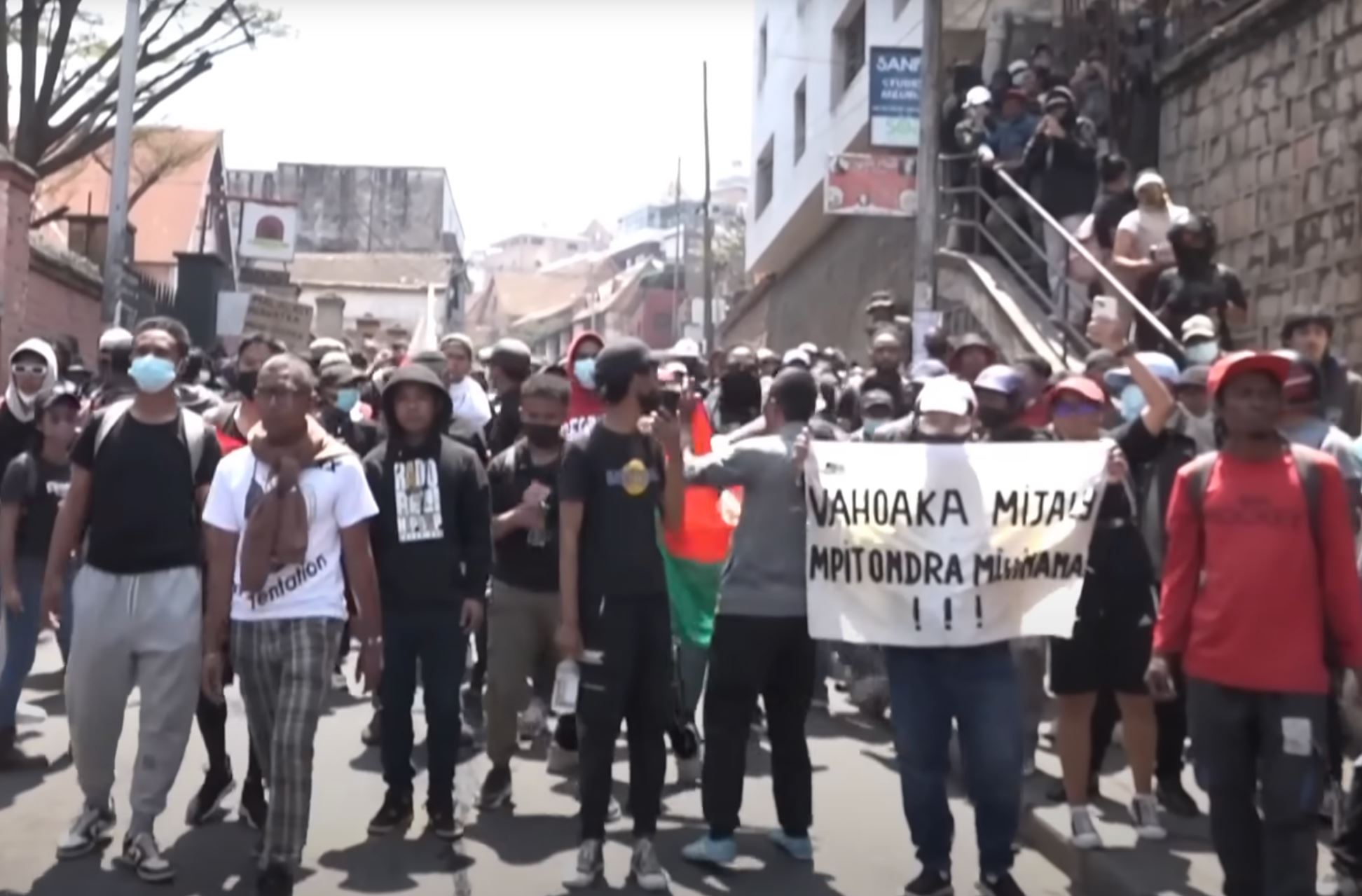
October 2025: The Cycle Repeats
Sixteen years later, the tables have turned. Opposition lawmakers report that President Andry Rajoelina—the same figure who seized power in 2009—has now fled the country after elite military units turned against him. The unrest was sparked by mass protests over poverty, unemployment, and rising living costs.
His location remains unconfirmed. The situation in Antananarivo is tense: curfews are in place, roads are intermittently blocked, and clashes between protesters and security forces have left several dead.
What Governments Are Advising Now
Foreign ministries from the UK, Ireland, Canada, and others now urge citizens to avoid non-essential travel to Madagascar. The advice is consistent:
- Stay away from demonstrations or large gatherings—they can turn violent without warning.
- Expect curfews, flight disruptions, and possible road closures.
- Follow local news and instructions from authorities if you’re already in the country.
The Broader Pattern
Madagascar’s political story is one of repetition: leaders rise amid turmoil, fall amid unrest, and the public bears the cost. Both Ravalomanana and Rajoelina came to power claiming to fix the system, and both ended up forced to flee under pressure.
The current crisis is more than a power struggle—it’s a test of whether the country can finally break free from this cycle of coups, exiles, and fragile transitions.
Bottom line:
Madagascar’s 2025 crisis isn’t just history repeating itself—it’s a reminder that without accountability and reform, instability never really leaves.