
A significant political battle is brewing in Sweden over the very rules that govern its democracy. The Sweden Democrats (SD), a party with roots in the far-right, are vehemently opposing a proposed amendment to the country’s constitution, going so far as to demand a national referendum to stop it. This move highlights a deep ideological divide and a pivotal power struggle in Swedish politics.
The Core of the Controversy: Changing the Rules of the Game
At the heart of the issue is a proposed change to Sweden’s Instrument of Government (Regeringsformen), one of its four fundamental constitutional laws. The current process for amending the constitution is deliberately slow and careful:
1. The Riksdag (Swedish Parliament) passes a proposal for a constitutional amendment.
2. A general election must be held.
3. The newly elected Riksdag must pass the exact same proposal again.
Currently, the first vote requires only a simple majority (more than 50%). The critical change being proposed concerns the second vote: it would raise the threshold from a simple majority to a qualified majority of two-thirds.
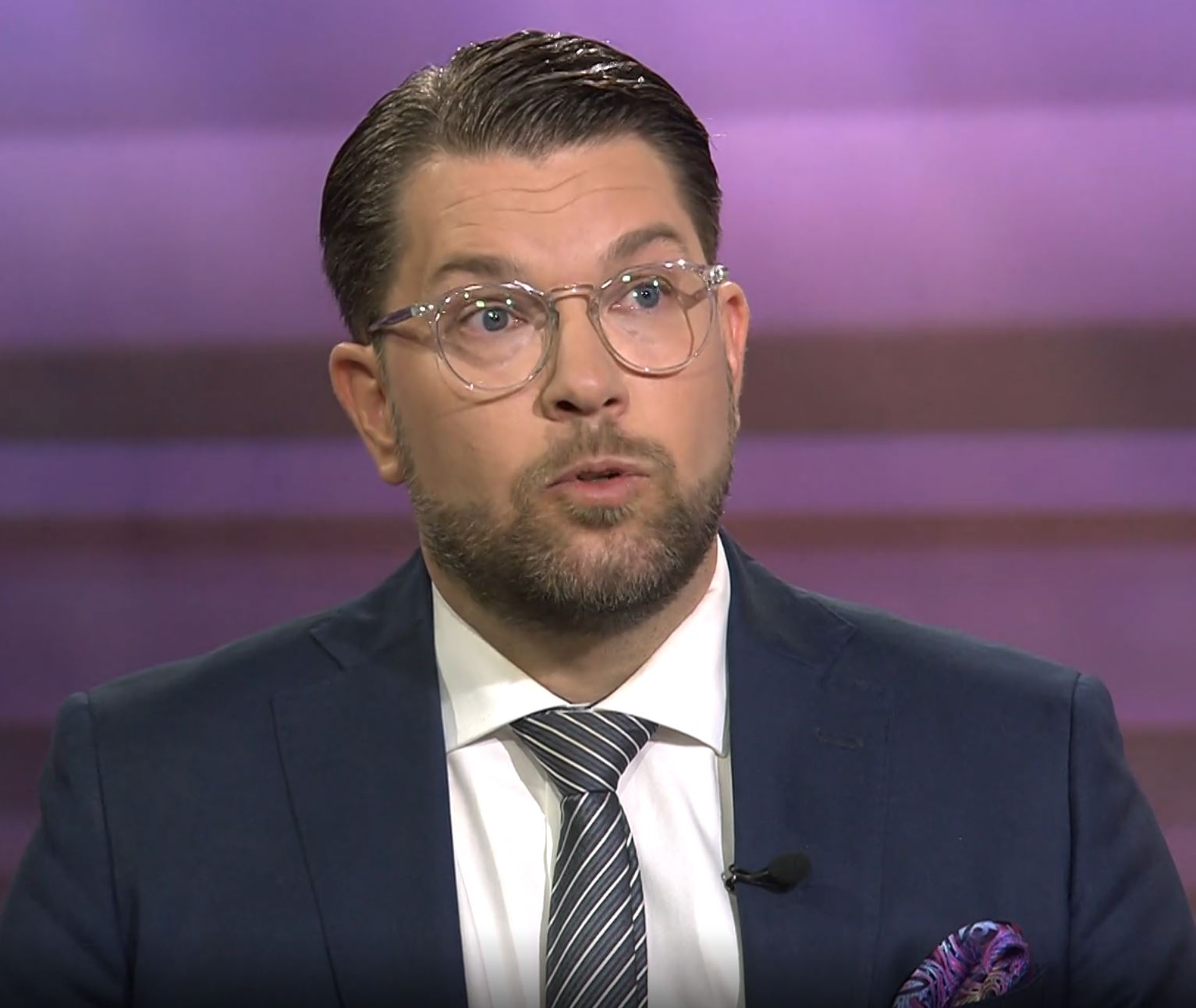
The centre-right government (the Tidö Coalition), which includes the Moderates, Christian Democrats, and Liberals, relies on the Sweden Democrats’ support to pass its budget and policies. However, this specific constitutional change is supported by the government parties and the opposition Social Democrats and the Centre Party, giving it a broad consensus that easily surpasses the required majority.
The Sweden Democrats’ Stance: Why They Are Opposed
SD leader Jimmie Åkesson has called this an “enormous” and “extremely problematic change.” His party’s opposition is based on several key arguments:
1. The “Social Democrat Veto”: SD argues that by requiring a two-thirds majority, any future government initiative to amend the constitution would need the support of both the centre-right and centre-left blocs. In practice, they claim this gives the largest opposition party, the Social Democrats, an effective veto power. As Åkesson stated, “In practice, we give the Social Democrats a veto right to amend the constitution.”
2. Blocking Their Political Agenda: The Sweden Democrats are particularly concerned about their flagship law-and-order policies. They fear that future proposals they champion—such as stripping citizenship from serious criminals, banning criminal gangs, or criminalizing support for terrorist organizations—could be classified as constitutional changes. If so, the Social Democrats could block them, even if a parliamentary majority supported them. Åkesson warns that popular reforms could be “blocked by a relatively small minority.”
3. A Matter of Democratic Principle: SD frames this as a fundamental issue of democratic fairness, where a majority of elected representatives could be thwarted by a minority holding a veto. They believe this concentrates too much power in the hands of the establishment parties they have long fought against.
Will the Sweden Democrats Get Their Way?
In the immediate term, no. The political math is firmly against them.
The proposed amendment has already passed its first parliamentary vote with the overwhelming support of the government and the main opposition. It is virtually guaranteed to pass the second vote after the next election, as the parties backing it collectively hold well over the two-thirds majority required. Their call for a referendum is largely a symbolic political manoeuvre to rally their base and publicly challenge the political establishment, as there is no constitutional mechanism for a referendum to override a parliamentary decision on the constitution.
In summary: The conflict is more than a technical debate about parliamentary procedure. It is a proxy war for Sweden’s political future. The established parties see the two-thirds requirement as a necessary safeguard for constitutional stability. The Sweden Democrats see it as a strategic move by the political old guard to “lock in” the current constitutional order and limit the influence of their populist, right-wing agenda for generations to come. For now, the establishment has the votes, and the constitutional change is set to proceed.