
Microsoft will end support for Windows 10 on October 14, 2025, closing a chapter for an operating system that still runs on hundreds of millions of PCs worldwide. For Swedish companies and households, that deadline is more than a technical milestone—it’s an inflection point that touches hardware budgets, cybersecurity, and even sustainability policy.
What the phase-out actually means
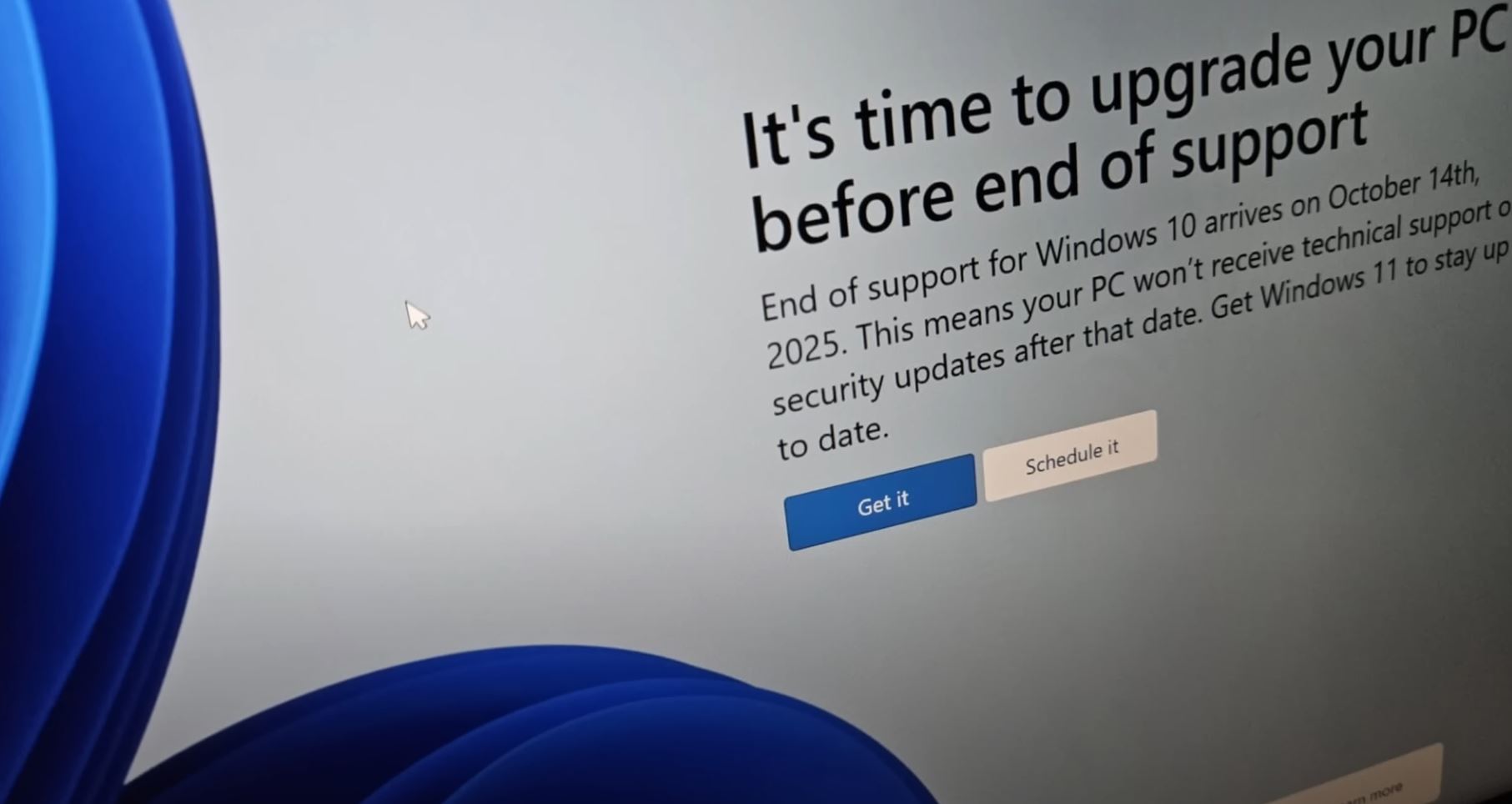
After the cutoff date, Windows 10 devices will keep running, but without security patches or technical support. That creates a growing vulnerability gap as new exploits emerge and as software vendors stop testing their products on the old platform. In short, the computers still work, but they’ll steadily fall out of the secure, supported ecosystem.
How Swedish companies are responding
Most large Swedish firms have already moved or are deep into structured migration projects. They’ve inventoried every Windows 10 machine, tested key business applications on Windows 11, and scheduled phased rollouts. For public-sector bodies and universities, the transition has an added edge: internal networks will soon block Windows 10 devices outright for security reasons.
Managed service providers across Sweden report brisk demand for migration support, device refresh programs, and extended security updates (ESU). For companies with niche legacy software or thin budgets, ESU buys a temporary reprieve—an extra year or two of patches—while permanent upgrades are planned.
Small and midsize enterprises are under pressure. Many run older laptops that fail Windows 11’s hardware requirements, forcing either replacement or creative alternatives such as virtual desktops or Linux deployments. The cost of inaction, though, is rising exposure to ransomware and compliance risk.
Households face a similar choice
For consumers, Microsoft’s message is simple: run the PC Health Check tool. If the computer qualifies, the Windows 11 upgrade is free. If not, users can buy a new device or, within the European Economic Area, enrol in the free ESU program Microsoft recently agreed to extend for individuals. Swedish consumer tech media have been echoing that advice for months, guiding readers through upgrade steps and backup routines.
The education effort
Awareness isn’t left to chance. Microsoft’s Swedish-language support site, major retailers, and local IT consultancies have launched coordinated information campaigns. Public institutions have issued internal memos warning that unsupported Windows 10 machines will soon be barred from official networks. Industry press such as Computer Sweden and TechWorld have been publishing migration checklists aimed at IT managers.
The economic ripple
The phase-out will jolt the Nordic PC market. Analysts expect a short-term boost in hardware sales as organisations replace fleets and households trade in outdated laptops. The services side will surge too—migration consulting, application testing, and endpoint management are all growing lines for managed providers.
For smaller firms, the story cuts the other way: increased capital expenditure, potential downtime, and training costs. Cyber-insurers and auditors are watching closely; unsupported systems could soon be considered uninsurable risk.
Then there’s the environmental dimension. Consumer groups warn that millions of otherwise functional PCs could become electronic waste overnight. Without aggressive trade-in and recycling programmes, the sustainability backlash could offset any economic gain.
Bottom line
The Windows 10 deadline is less than a year away. For Swedish organisations, that means finishing inventories, validating applications, and budgeting for replacements now—not next summer. For households, it means deciding whether to upgrade, replace, or extend.
The transition will reward those who plan early and punish those who wait. What looks like a software sunset is, in fact, a test of digital discipline across Sweden’s economy.