
Sweden’s economy is showing early but encouraging signs of stabilization, with unemployment continuing its modest decline for the second consecutive month and food prices falling for the first time in over a year and a half. These developments, released this week by the Swedish Public Employment Service (Arbetsförmedlingen) and Statistics Sweden (SCB), signal a potential turning point in the nation’s post-pandemic economic trajectory—though underlying pressures remain.
Labor Market Gains Momentum
According to the latest data from Arbetsförmedlingen, Sweden’s unemployment rate edged down again in September, following a similar dip in August. While the declines are modest—hovering around 0.1 to 0.2 percentage points—the consistency marks a notable shift from the stagnation seen through much of 2024.
Particularly encouraging is the improvement among foreign-born residents, a demographic that has historically faced higher unemployment rates and longer job-search durations. Their declining joblessness suggests that integration efforts, combined with a gradual uptick in hiring across sectors like logistics, healthcare, and green technology, are beginning to bear fruit.
“Two months of consecutive declines may seem small, but in the context of a historically tight labour market and ongoing structural shifts—especially in manufacturing and energy—they represent real momentum,” said Dr. Lena Bergström, chief economist at Nordea Markets. “Employers appear more confident in making longer-term hires, which is a leading indicator of broader economic confidence.”
Food Prices Fall—A Rare Reprieve for Households
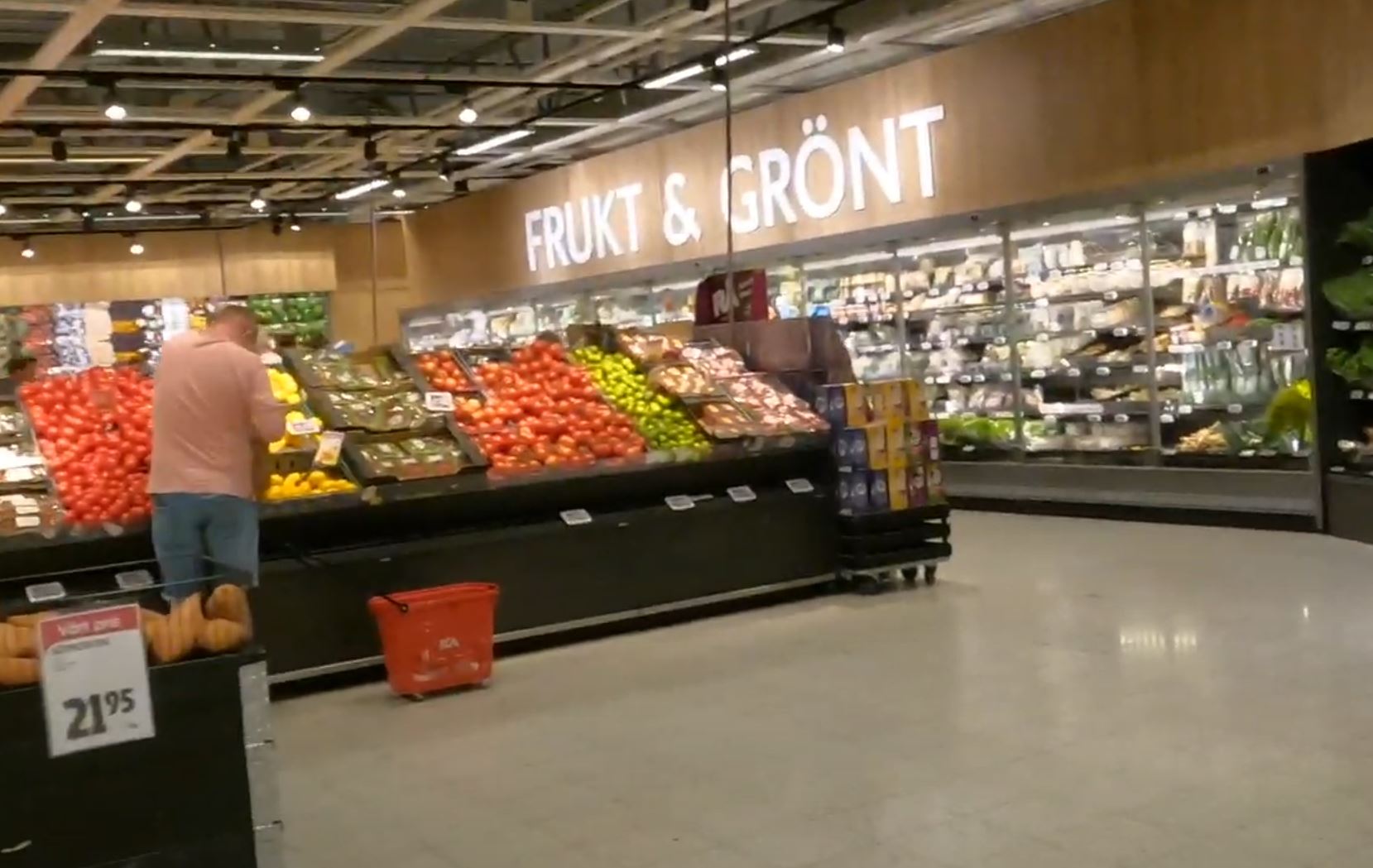
In a welcome relief for Swedish consumers, food prices dropped by 0.8% in September compared to August, marking the second straight month of declines—the first such back-to-back drop since early 2024. The decrease was driven primarily by falling costs for fish and fresh vegetables, reflecting both improved global supply chains and favourable harvest conditions in Northern Europe.
Frida Stark, price statistician at Statistics Sweden, noted that the food price dip contributed directly to a slight easing in headline inflation. The CPIF (Consumer Price Index with fixed interest rate) stood at 3.1% in September, down from 3.2% in August.
While still above the Riksbank’s 2% target, the moderation in inflation comes amid a complex mix of price movements. Year-over-year, food prices remain 3.3% higher, with staples like coffee and dairy continuing to climb. Meanwhile, electricity prices have surged by 22.5% compared to September 2024—a lingering effect of Europe’s energy transition and geopolitical volatility.
However, these increases have been partially offset by significant declines in other key cost categories. Most notably, interest costs on housing loans have plummeted by 24–28% year-over-year, thanks to the Riksbank’s aggressive rate cuts throughout 2025. Fuel prices have also fallen by 3.5% over the same period, offering relief at the pump and for logistics-dependent businesses.
A Delicate Balance for Policymakers
The dual trends—labour market resilience and moderating inflation—present both opportunity and caution for Sweden’s central bank and government.
“The Riksbank is likely to hold rates steady in its next meeting,” said Johan Nilsson, senior analyst at SEB. “With inflation drifting toward target and the labour market healing, there’s less urgency for further cuts—but also little room for complacency given persistent energy costs and global uncertainty.”
Indeed, while falling interest expenses have eased household budgets, the sharp rise in electricity and rent continues to weigh on disposable income—particularly for lower- and middle-income Swedes. Accommodation, restaurant visits, and car rentals have all become more expensive over the past year, underscoring uneven recovery across sectors.
Looking Ahead: Green Transition and Integration as Growth Engines
Analysts point to two structural forces that could sustain Sweden’s economic momentum: the accelerated green transition and deeper labour market integration of immigrants.
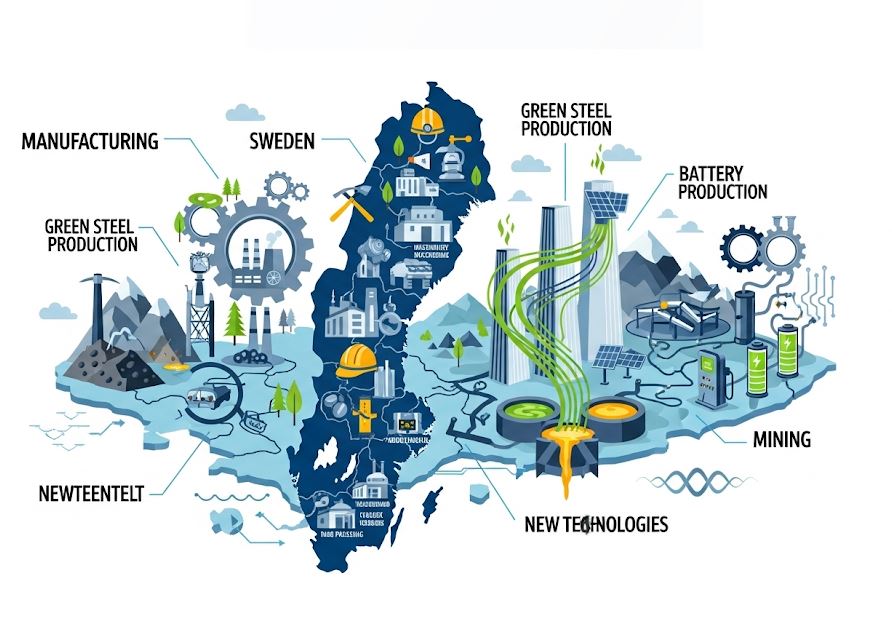
Investments in renewable energy, battery production, and sustainable infrastructure have spurred hiring in engineering and construction. At the same time, municipalities and private employers are increasingly partnering on vocational training programs tailored to newcomers—helping align migrant skills with Sweden’s evolving labour demands.
“If Sweden can maintain this balance—keeping inflation in check while deepening inclusion in the workforce—it could emerge from this cycle stronger and more resilient,” said Bergström.
For now, the data paints a cautiously optimistic picture. The Swedish economy may not be roaring back, but it is undeniably finding its footing.
The Nordic Business Journal provides independent economic and business analysis across the Nordic region. For daily updates and in-depth reports, visit nordicbusinessjournal.com.