
In a significant shift in the European Union’s regulatory approach to corporate sustainability, the European Parliament’s Legal Affairs Committee has voted to significantly narrow the scope of the Corporate Sustainability Due Diligence Directive (CSDD). The move, backed overwhelmingly by a 17-to-6 vote on Monday, reflects growing political pressure to ease the regulatory burden on European businesses amid concerns over global competitiveness—particularly against U.S. and Asian rivals.
At the heart of the decision is a proposal championed by Swedish MEP Jörgen Warborn of the Moderate Party (EPP group), which argues that only the very largest companies should be subject to the full weight of the EU’s sustainability due diligence obligations. Under the revised stance, the CSDD would apply exclusively to firms with more than 5,000 employees and an annual turnover exceeding €1.5 billion—a threshold that would exclude the vast majority of European enterprises.
Simultaneously, the committee endorsed a parallel reduction in the scope of the Corporate Sustainability Reporting Directive (CSRD), limiting its reach to companies with at least 1,000 employees and €450 million in annual turnover—down from previous thresholds that captured mid-sized firms.
What Is the CSDD—and Why Does It Matter?
The CSDD, first proposed by the European Commission in 2022, aims to hold companies accountable for adverse human rights and environmental impacts across their global value chains. It would require firms to identify, prevent, mitigate, and account for risks such as forced labour, deforestation, and pollution in their operations and supply networks. Originally, the directive was expected to cover thousands of EU and non-EU companies operating in the bloc, including many mid-sized enterprises.
Proponents argue that such rules are essential to ensuring Europe leads the global green and just transition. Critics, however, warn that the compliance costs—estimated in the hundreds of thousands of euros annually per company—could stifle innovation, deter investment, and push businesses to relocate outside the EU.
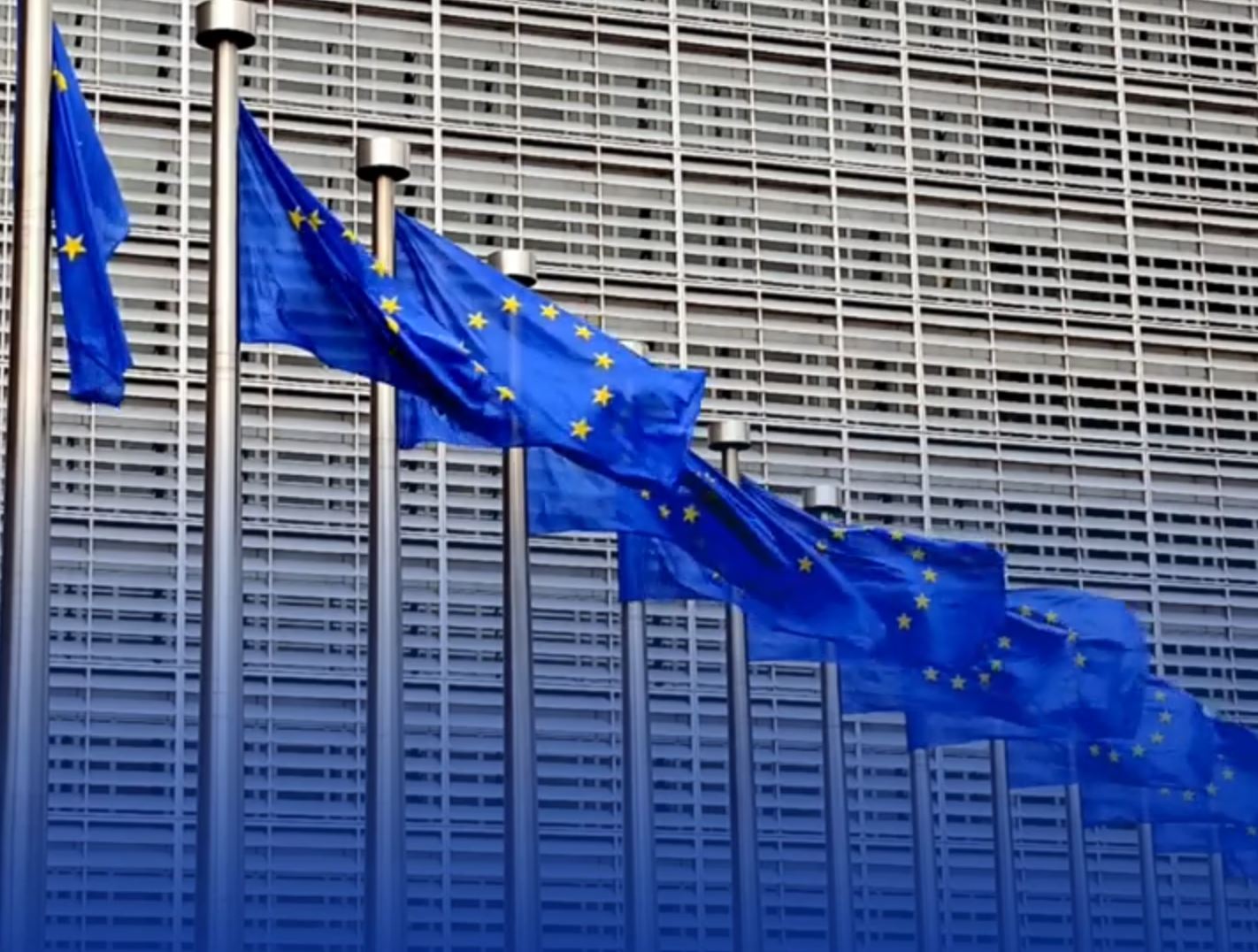
The EU’s Balancing Act: Green Goals vs. Economic Realities
The European Commission has consistently framed sustainability regulation as a cornerstone of the European Green Deal, insisting that due diligence is not just ethical but also economically strategic—helping companies future-proof against climate risks and supply chain disruptions.
Yet, with economic growth slowing and geopolitical tensions mounting, EU lawmakers are increasingly sensitive to industry concerns. Warborn’s proposal reflects a broader trend within the Parliament toward “smarter regulation.” In a press statement following the vote, he declared the revised thresholds would “cut costs, strengthen competitiveness, and keep Europe’s green transition on track.”
This stance has drawn both praise and protest.
Business Groups Applaud, NGOs Sound Alarm
Industry associations, including BusinessEurope and the Confederation of Swedish Enterprise, welcomed the committee’s decision. “This is a pragmatic recalibration,” said Markus Beyrer, Director General of BusinessEurope. “It ensures that sustainability rules support—not strangle—European industry during a fragile economic period.”
However, environmental and human rights organizations have reacted with alarm. Amnesty International and ClientEarth warned that narrowing the CSDD’s scope would create “massive loopholes,” allowing thousands of companies with significant environmental footprints to evade accountability. “This isn’t simplification—it’s surrender,” said Laurence Dubois of the European Coalition for Corporate Justice.
The protests have been particularly vocal in Nordic countries, where strong public support for climate action often clashes with export-oriented business interests. In Sweden, Denmark, and Finland, civil society groups staged demonstrations outside national parliaments this week, urging governments to resist the Parliament’s softened stance in upcoming negotiations with the Council of the EU.
What Happens Next?
The Legal Affairs Committee’s position is now expected to form the basis of the European Parliament’s official negotiating mandate. Final talks with EU member states—via the Council—are set to begin later this autumn. If both institutions agree, the revised CSDD and CSRD could be formally adopted by early 2026.
The outcome will signal whether the EU prioritizes regulatory ambition or economic pragmatism in its sustainability agenda—a dilemma that lies at the heart of Europe’s post-pandemic identity.
For Nordic businesses, the stakes are high. While large multinationals like Volvo, Ørsted, and Nokia may absorb the compliance costs with relative ease, thousands of mid-sized exporters could be spared burdensome reporting requirements—potentially levelling the playing field with global competitors. Yet critics caution that watering down the rule’s risks undermining the EU’s credibility as a global leader in sustainable finance and responsible business conduct.
As negotiations unfold, all eyes will be on how the Nordic bloc—long seen as a bridge between green idealism and market realism—navigates this pivotal moment in Europe’s sustainability journey.
The Nordic Business Journal provides independent economic and business analysis across the Nordic region. For daily updates and in-depth reports, visit nordicbusinessjournal.com.