
Quick summary
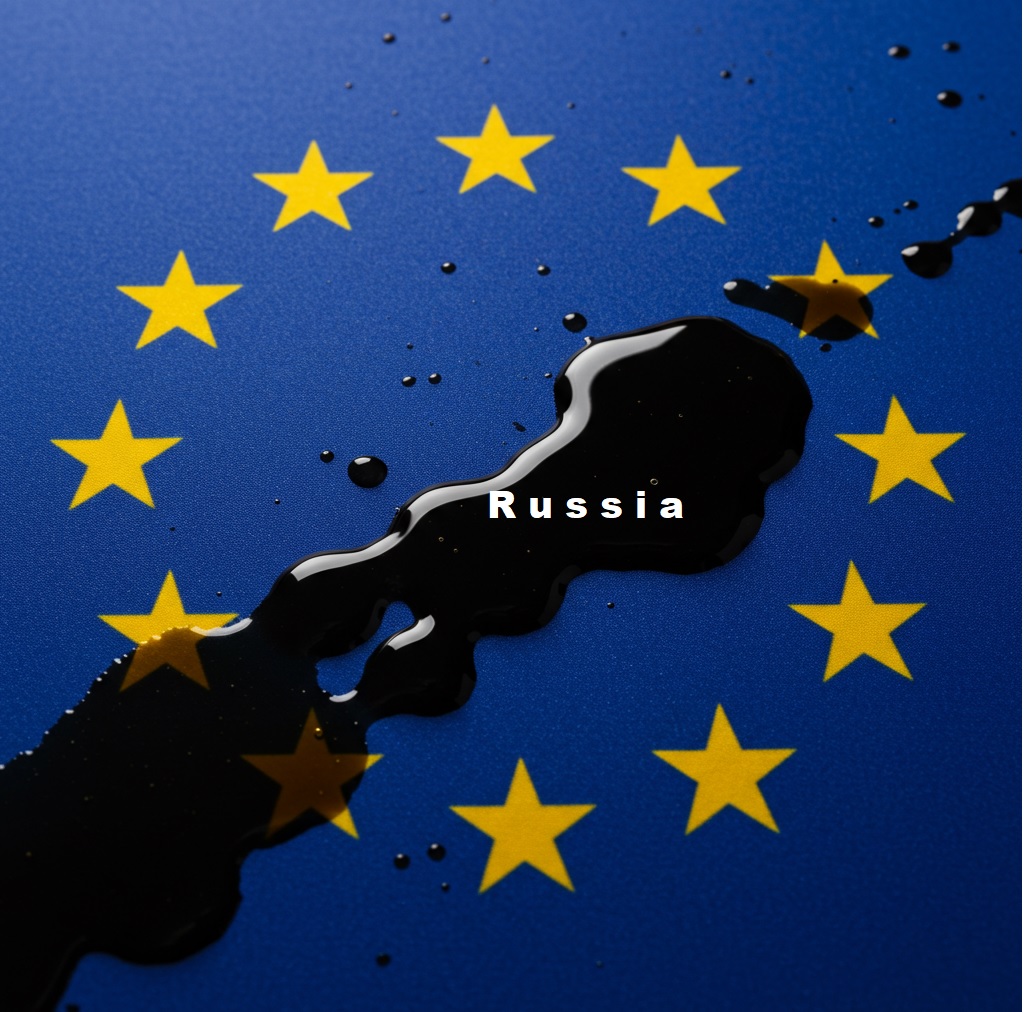
The EU’s plan to end Russian gas and oil imports by 2027–2028 forces different Nordic responses: Norway is a strategic supplier to the EU; Finland and Denmark must secure alternative gas entry points and infrastructure; Sweden is largely insulated by a low-carbon electricity mix but faces industrial impacts via electricity and hydrogen demand.
Key facts that shape Nordic strategy
- The EU (Council and Parliament processes) has agreed a phased ban on new Russian gas contracts from 2026 and a progressive end to Russian gas and oil imports by end-2027/early-2028.
- Russia’s share of EU gas imports fell to roughly 19% by 2024; Norway supplied about one-third of EU gas in 2024 and is now the bloc’s largest supplier.
- Europe’s LNG market and new global LNG capacity are expanding, but short-term competition for ships and Regas capacity will remain a pressure point during the transition.
Country snapshots (data + immediate implications)
Denmark — low direct reliance on Russian gas; infrastructure gap
- Status: Denmark has limited to no LNG import capacity and limited domestic gas entry points; gas transmission is used mainly for domestic needs. That reduces direct exposure to Russian pipeline gas but constrains Denmark’s ability to act as LNG hub for neighbours.
- Implication: Denmark’s policy priority should be rapid development of import flexibility (LNG access via neighbouring terminals or virtual reverse flows), stronger Nordic interconnectors, and regulatory work to ensure gas markets can respond to short spikes in demand or price.
Sweden — limited direct gas dependence; large electrification opportunity
- Status: Sweden gets most of its power from hydro and nuclear, with rapidly rising wind output; direct gas imports from Russia are very small. The country’s major exposure is rising electricity demand from electrification and large industrial projects (green steel, hydrogen).
- Implication: Sweden should prioritise scaling clean power (grid reinforcements, permitting speed-ups for wind/nuclear), coordinate electricity exports to neighbours, and focus on industrial policies (green hydrogen, grid access for electrifying heavy industry).
Finland — most exposed among Nordics to prior Russian gas; rapid substitution underway
- Status: Finland historically relied on Russian gas but has accelerated alternatives: Inkoo LNG and Balticconnector pipeline improvements are making Finland’s gas system independent of direct Russian pipeline imports. Finland has also pursued legal measures to prevent Russian-sourced gas entry.
- Implication: Continue investing in LNG capacity, storage and cross-border redundancy. For industry (pulp & paper, chemicals, metals)—which account for ~40% of final energy consumption—focus on demand response, fuel switching (bioenergy, electrification), and contracts to hedge price volatility.
Norway — exporter advantage; leverage and responsibility
- Status: Norway is a major gas exporter to the EU (in 2024 it provided over 30% of EU gas imports and became the bloc’s top supplier). Norway’s position strengthens Europe’s ability to replace Russian pipeline gas, but it also raises questions about capacity, investment pace, and long-term decarbonisation of exports.
- Implication: Norway should coordinate export volumes and timing with EU demand, accelerate gas-to-green hydrogen pathways and invest in LNG and pipeline infrastructure only where compatible with long-term climate goals. Norway’s industry (low-carbon aluminium, electrolyser/hydrogen projects) is a strategic European asset.
Industry implications across the Nordics
- Energy-intensive manufacturing (steel, pulp & paper, chemicals, aluminium): Higher short-term gas and electricity prices risk competitiveness. Finland’s pulp & paper sector is particularly electricity- and steam-intensive; Sweden’s steel transition (green steel projects) will increase electricity and hydrogen demand. Policy must protect competitiveness while accelerating electrification.
- Power grids and flexibility providers: Rapid increases in electrification and intermittent renewables require stronger transmission, storage and demand-response. The Nordic grid build-out and cross-border interconnectors are already planned to expand capacity; execution speed matters.
- Energy traders, LNG logistics, and terminals: There will be competition for LNG cargoes, ships and Regas slots. Firms should secure mid/long-term LNG capacity contracts where needed and lock in Regas access (or coordinate with neighbour states).
Short checklist for Nordic policymakers (practical, no fluff)
- Map national contract exposure to Russian-linked supplies and publish a prioritized mitigation plan. (regulatory disclosure + legal audit)
- Fast-track LNG access options (build small FSRU capability, seek port/Regas agreements with neighbours).
- Prioritise electricity grid reinforcements and permitting for renewables + power-for-industry corridors (green hydrogen corridors).
- Offer tailored support for energy-intensive industries: contract hedging, temporary compensation mechanisms, and targeted electrification grants.
- Coordinate with Norway on ramping exports and infrastructure timing; align export planning with EU decarbonisation targets.
Short list of risks to monitor (and who should watch)
- Short-term market squeeze for LNG cargoes and Regas slots — energy ministries and utility trading desks.
- Legal disputes over long-term gas contracts (take-or-pay, arbitration) — legal teams, national regulators.
- Grid bottlenecks as electrification accelerates — transmission system operators, regulators.
- Competitiveness pressure on large industrial exporters — ministries of trade/industry and large corporates.
Nordic – Russian oil exposure
- According to a European statistical overview, crude oil imports to the EU in 2022 from Russia were about 88.4 million tonnes.
- For the EU at large, a report shows that by March 2023 oil product imports (refined products) from Russia were still around 1.4 million tonnes per month, mostly for a few countries with pipeline access.
- Specific mention: In 2021, Finland imported oil that was 80% from Russia (but this may be crude + products) with figure ~185 000 barrels per day for Finland.
Therefore, for the Nordic countries as a block (Denmark, Sweden, Norway, Finland) there is no up-to-date breakdown publicly available data for Nordic Russian exposure from various sources searched. Further view though could look into national statistical agencies (Denmark, Finland, Sweden) to determine the latest import numbers for each country. That will be in subsequent edition.