
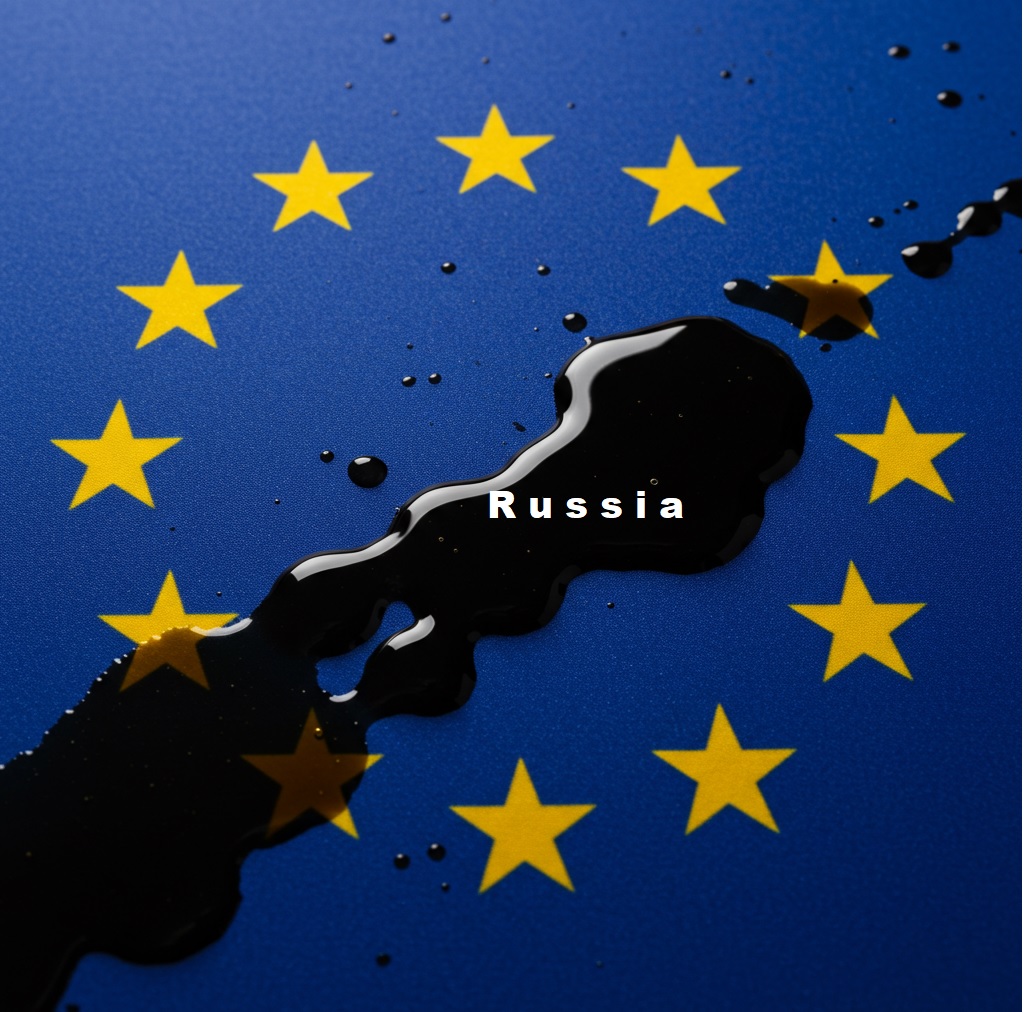
The European Union has embarked on a decisive shift: it intends to phase out all imports of Russian natural gas (pipeline and LNG) and oil by 2027, marking a major move in its energy-security and geopolitical strategy.
What the plan says
Here are the main elements of the proposal by the European Commission:
- New gas import contracts with Russia will be prohibited from 1 January 2026.
- Existing short-term gas contracts (signed before 17 June 2025) will need to end by 17 June 2026, with exceptions for land-locked countries tied into long-term pipeline agreements.
- Imports under long-term contracts are slated to end by end of 2027 (or 1 January 2028 for some transitions) according to more detailed legal analysis.
- On oil, a similar end-date of end of 2027 is proposed: EU member states must prepare diversification plans and set out how to stop Russian oil imports.
- The plan includes measures to prevent circumvention: companies will need to disclose contract details, origin of supply, and legal structures to ensure Russian-origin fuel isn’t relabelled or routed via third countries.
Why it matters
- For the Nordics, the shift has strategic implications. Reducing dependence on Russian energy makes the region less exposed to supply disruption or geopolitical pressure.
- It also creates opportunities in the energy transition: using the end of Russian imports as a lever, Nordic countries can accelerate diversification, renewables, infrastructure upgrades and LNG/alternative supply chains.
- From a business-perspective, companies supplying gas, LNG, oil or related services will need to adjust: new supply contracts, infrastructure investments, logistical chains, and regulatory oversight will all shift.
- The proposal also underscores that the EU views energy imports from Russia not only as an economic transaction but as a security risk: “energy weaponisation” is explicitly cited.
Where we stand now
- Russia’s share of the EU’s gas imports has fallen from around 45 % pre-2022 to about 19 % in 2024, but the bloc remains tied into Russian supplies.
- Not all member states are aligned. Two countries—widely identified as Hungary and Slovakia—have expressed strong opposition to the timetable, citing their heavy dependence on Russian imports and the risk of price spikes or supply constraints.
- The draft regulation still needs formal approval by the EU Parliament and Council. Once adopted, it becomes binding across member states.
Challenges ahead
- Supply and infrastructure: While the EC states that alternative suppliers and import infrastructure are adequate to phase out Russian gas with “no significant economic impact,” analysts caution that the transition will be uneven across member states due to differing infrastructure, contracts and geographies.
- Legal & contractual complexity: Many gas contracts with Russia are long-term and include “take-or-pay” clauses. Ending them early raises legal and financial questions—especially for land-locked states with limited alternatives.
- Market & price risk: Rapid shifts in supply sources may affect prices, amidst competition for LNG, pipeline gas and infrastructure bottlenecks (e.g., LNG terminals). For Nordic countries with exposed energy-intensive industry, these risks matter.
- Geopolitical counter-moves: Russia may respond with supply manipulations or alternative markets/routes; the EU also needs to ensure that bans are not undermined through indirect flows or “shadow fleets.”
What the Nordic region should focus on
- Diversification: The Nordics need to accelerate sourcing of alternatives (LNG, non-Russian pipeline suppliers, green hydrogen, biogas) and ensure interconnectivity with EU energy networks.
- Infrastructure readiness: Ensuring LNG terminal access, storage capacity, pipeline links (e.g., Nordic-Baltic interconnectors) and flexibility to absorb alternative supply flows is critical.
- Contract auditing & transparency: Domestic companies must audit existing supply contracts with Russian connections, prepare for regulatory disclosure obligations, and ensure compliance with upcoming EU rules.
- Industrial competitiveness: With potential upward pressure on energy prices during the transition, Nordic policymakers must safeguard energy-intensive industries and ensure the transition does not erode competitiveness.
- Regulatory & policy alignment: As the phased ban becomes law, Nordic governments should align their national energy and climate plans accordingly, to turn this transition into a strategic advantage rather than a forced cost.
To round up on this, the EU’s plan to end imports of Russian gas and oil by 2027 marks a major strategic turning-point. For the Nordic region, it offers both an imperative and an opportunity. The imperative: reduce exposure, manage risk and align with EU policy. The opportunity: position itself at the front of a re-shaped European energy system—with stronger infrastructure, diversified supplies and more resilient industry. The transition will not be trivial and will require proactive policy, investment and coordination. But the direction is clear: Europe is breaking from a decades-long dependency on Russian fossil fuels, and the Nordic countries must ensure they are not merely along for the ride but shaping the outcome.