
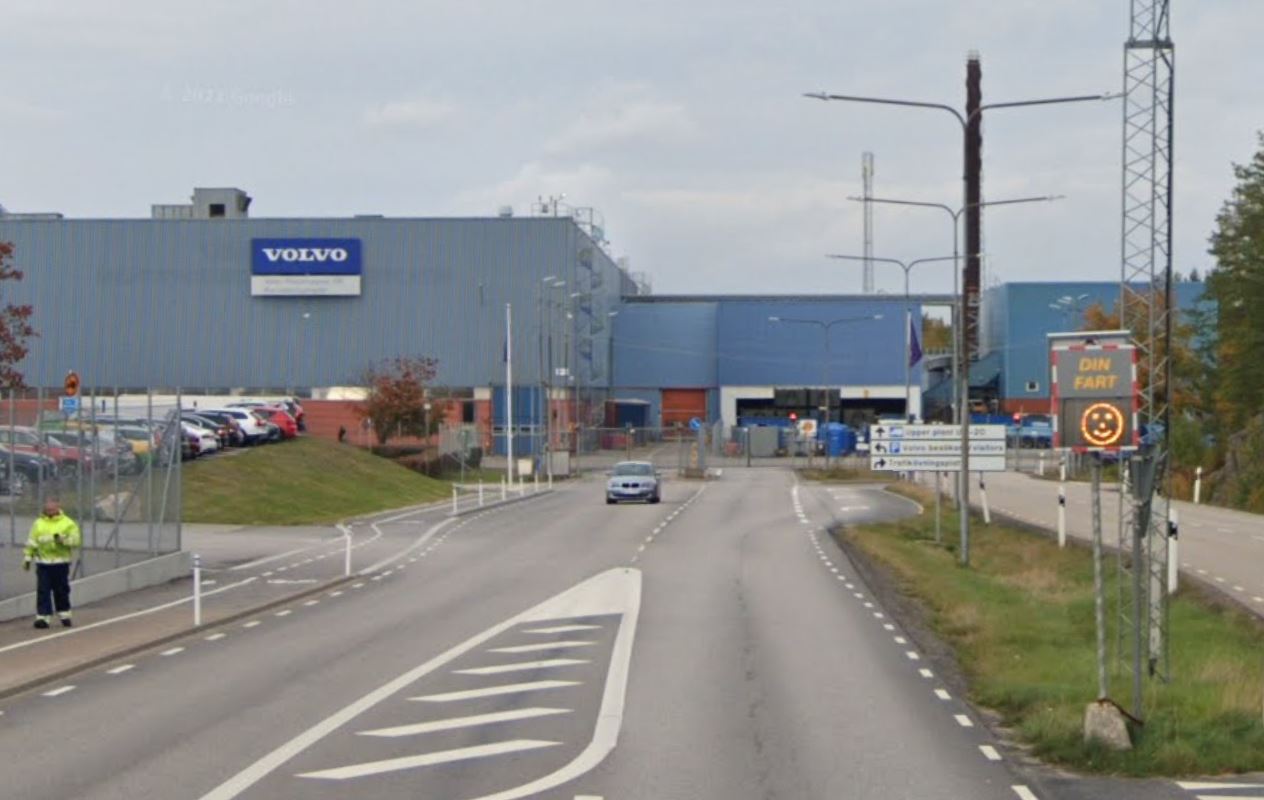
Gothenburg, Sweden — Volvo Cars has confirmed plans to eliminate approximately 1,000 positions in Sweden as part of a sweeping global restructuring effort aimed at bolstering profitability. The move, disclosed alongside the company’s stronger-than-expected third-quarter financial results, forms a key component of a broader initiative to cut around 3,000 jobs worldwide—impacting both permanent staff and external consultants.
Despite a 7% year-over-year decline in vehicle sales, Volvo reported significantly improved earnings for the quarter, driven by aggressive cost containment and operational streamlining. The announcement triggered a sharp rise in the company’s share price, reflecting investor confidence in its strategic pivot.
Strategic Realignment Amid Market Headwinds
The Swedish automaker’s decision underscores the intensifying pressures facing legacy car manufacturers as they navigate slowing global demand, rising electrification costs, and heightened competition—particularly from Chinese EV producers. Volvo, majority-owned by China’s Geely Holding Group since 2010, has been accelerating its transition to fully electric vehicles (EVs), targeting 100% EV sales by 2030. However, this shift has come with substantial upfront investments and margin compression.
“We have reduced costs more than sales have decreased,” explained Hampus Engellau, senior automotive analyst at Handelsbanken. “This has created a better result during the quarter. Volvo had to adapt—they were facing quite weak profitability in previous quarters.”
Engellau noted that while the automotive market remains challenging, early signs of stabilization are emerging. “The worst of the downturn may be behind us,” he added, citing improving consumer sentiment in key European markets and easing supply chain constraints.
Focus on Efficiency and Future-Proofing
The job cuts in Sweden—primarily affecting administrative, engineering, and support functions—are part of Volvo’s “performance and efficiency program” launched earlier this year. The company emphasized that the reductions are not tied to plant closures but rather to organizational simplification and digital transformation.
Volvo CEO Jim Rowan, who took the helm in 2022 with a mandate to sharpen the brand’s premium positioning and accelerate its EV roadmap, stated: “These decisions are never taken lightly, but they are necessary to ensure long-term competitiveness and financial resilience as we transition to an all-electric future.”
The company also confirmed it would continue investing in R&D, particularly in battery technology, software-defined vehicles, and AI-driven safety systems—areas it considers critical to maintaining its reputation for innovation and safety.
Investor Reaction and Outlook
Volvo Cars’ shares surged more than 6% on the Stockholm Stock Exchange following the earnings release, outperforming the broader OMXS30 index. Analysts view the restructuring as a pragmatic response to macroeconomic volatility and shifting consumer behaviours.
“Volvo is walking a tightrope—cutting costs without compromising its premium brand equity or EV ambitions,” said Sofia Lindström, equity strategist at SEB. “So far, the market believes they’re getting the balance right.”
Looking ahead, Volvo expects modest sales recovery in the fourth quarter, supported by new model launches—including the updated EX90 electric SUV—and expanded retail partnerships in North America and Asia. However, the company cautioned that geopolitical uncertainties, interest rate fluctuations, and regulatory changes in the EU’s Green Deal framework could pose ongoing risks.
A Broader Industry Trend
Volvo’s downsizing reflects a wider trend across the European auto sector. Competitors including Mercedes-Benz, BMW, and Stellantis have also announced workforce reductions and factory adjustments in 2024–2025 as they recalibrate for an EV-dominated future with lower margins and higher R&D intensity.
For Sweden—a nation where Volvo remains a symbol of industrial prowess—the layoffs are a sobering reminder of the disruptive pace of automotive transformation. Yet, with a clear strategic direction and renewed financial discipline, Volvo appears positioned to emerge leaner and more focused in the next phase of mobility.
— Reporting by Nordic Business Journal. Additional analysis by financial and automotive sector specialists.