
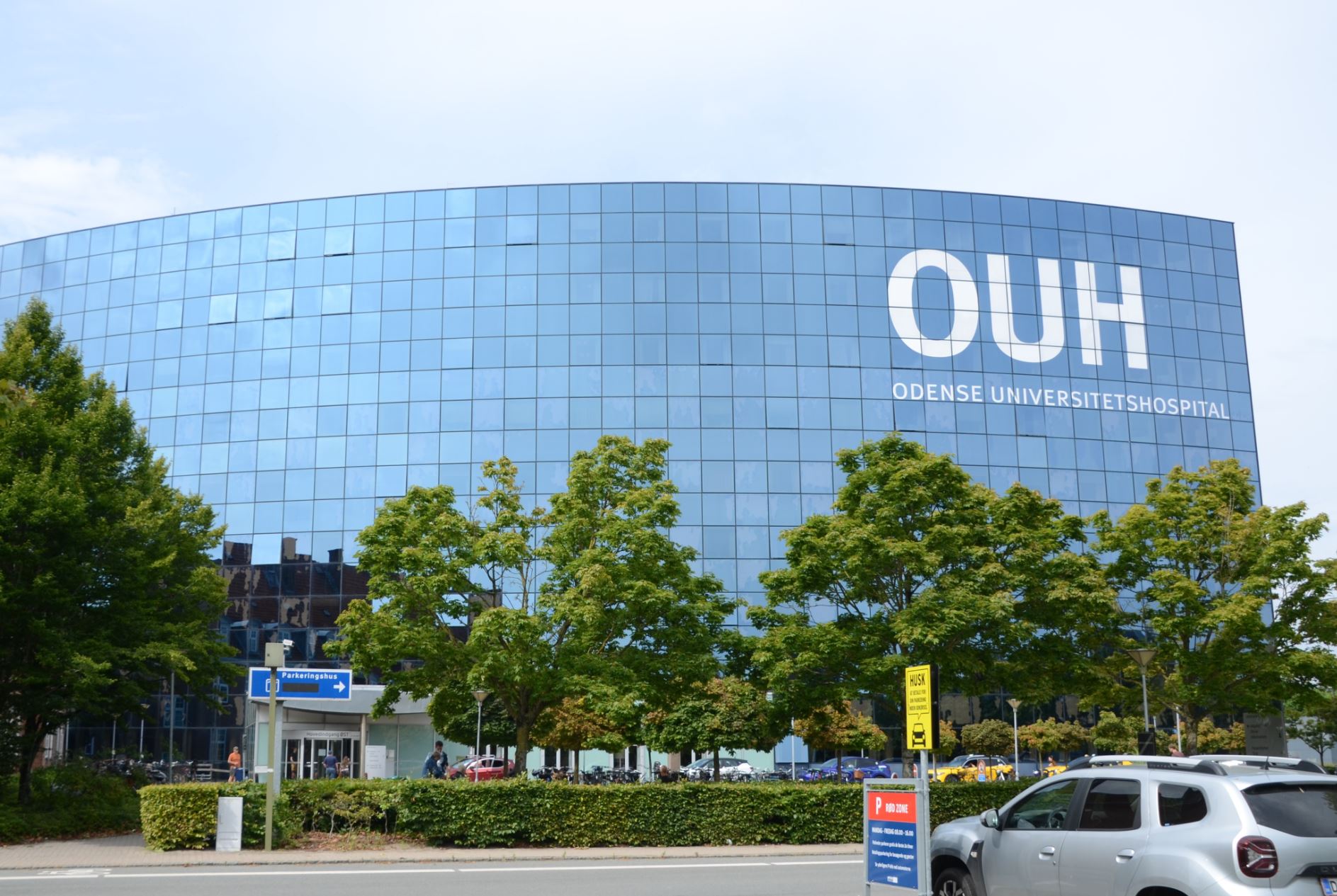
Odense University Hospital (OUH)—the largest healthcare institution in the Region of Southern Denmark—is set to eliminate 250 full-time positions by 2026 in response to mounting fiscal pressures. The hospital announced the cuts in an official press release today, emphasizing that the measure is a necessary step to align operations with the 2026 budget constraints.
While the reduction represents a significant workforce adjustment—approximately 2.3% of OUH’s total staff of 11,000 employees across its network, which includes facilities in Svendborg, Nyborg, and Ærø—the hospital’s leadership stressed that the changes will be implemented with minimal disruption to patient care.
Strategic Workforce Reduction, Not Mass Layoffs
According to Niels Nørgaard Pedersen, CEO of OUH, the majority of the 250 positions will be phased out through natural attrition, including retirements, internal transfers, and voluntary departures, rather than through compulsory redundancies.
“These adjustments are being made responsibly and with careful planning,” Pedersen stated. “Our priority remains uninterrupted, high-quality care for patients. This restructuring will not compromise clinical services.”
The announcement follows broader financial challenges facing Denmark’s public healthcare sector. Rising operational costs, workforce shortages, and increased demand for specialized care have placed pressure on regional hospital budgets nationwide. In recent years, several Danish hospitals have undertaken similar measures to balance expenditures while maintaining service levels.
Contextualising the Cuts
The timing of OUH’s announcement coincides with ongoing national debates over healthcare funding and efficiency. The Danish Health Authority has urged regions to identify cost-saving measures without eroding frontline services—a directive many regional hospitals are now executing through operational streamlining and digital transformation.
Analysts note that OUH’s reliance on attrition rather than layoffs reflects a cautious approach to workforce management in a tight labour market. Healthcare professionals remain in high demand across Scandinavia, and abrupt staff reductions could exacerbate recruitment and retention difficulties.
Moreover, the hospital is reportedly investing in automation and digital health solutions to offset some staffing gaps, particularly in administrative and support functions. These initiatives align with Denmark’s broader digital health strategy, which aims to enhance productivity while preserving clinical outcomes.
Looking Ahead
As the 2026 fiscal year approaches, OUH plans to engage closely with employee representatives and unions to ensure transparency and fairness throughout the transition. Pedersen reiterated that any necessary reassignments or retraining opportunities will be explored to support affected staff.
For now, the hospital maintains that patient-facing services—including emergency care, surgical procedures, and specialized treatments—will remain fully operational. The leadership team will provide regular updates as implementation plans evolve.
In a healthcare landscape increasingly defined by fiscal discipline and workforce innovation, OUH’s calibrated response may serve as a model for other Nordic institutions navigating similar pressures.
— Reporting by the Nordic Business Journal