
As Sweden braces for winter, the national grid operator Svenska Kraftnät (SVK) insists the country’s electricity supply is secure. However, scepticism is growing among business leaders, political figures, and even within the government itself. Questions about Sweden’s preparedness have been raised, particularly following a failed procurement process for a critical winter power reserve.
A Botched Procurement Process and Leadership Crisis
On November 28, SVK announced a second attempt to establish a strategic electricity reserve, aiming for readiness by mid-January 2026. This follows the abrupt cancellation of the initial procurement round in October, which triggered political fallout and led to the resignation of SVK’s Director General, Per Eckemark, after just seven months in office.
The failed procurement process exposed deeper institutional weaknesses within the Swedish energy governance system, prompting frustration among key stakeholders. Internal government emails obtained by SVT revealed sharp criticism from Energy Minister Ebba Busch’s office. In an October 2025 message, Maja Lundbäck, Busch’s State Secretary, noted the lack of a clear plan and the failure to assess the impact of escalating geopolitical tensions on electricity security.
Eckemark’s departure has further fuelled political outrage, with Tobias Andersson (SD), chair of the Riksdag’s Business Affairs Committee, blaming the government’s pressure on SVK for the crisis.
A Fragile Safety Net, Too Late to Deploy?
SVK’s revised procurement process aims to secure backup capacity from power producers such as Karlshamnsverket. SVK’s press secretary, Patrik Svensson, is optimistic about success, claiming that the reserve will be operational shortly after New Year’s. However, many experts are sceptical about the timeline.
Per Tryding, CEO of the Southern Swedish Chamber of Commerce, calls the deadline dangerously late, warning that the reserve could be activated only during the coldest part of winter—an ominous scenario. He stresses the importance of planning for worst-case scenarios like extreme cold and geopolitical disruptions, rather than assuming smooth operations.
His concerns are echoed across various industries, including manufacturing and data centers, where any gaps in electricity supply could lead to severe economic consequences.
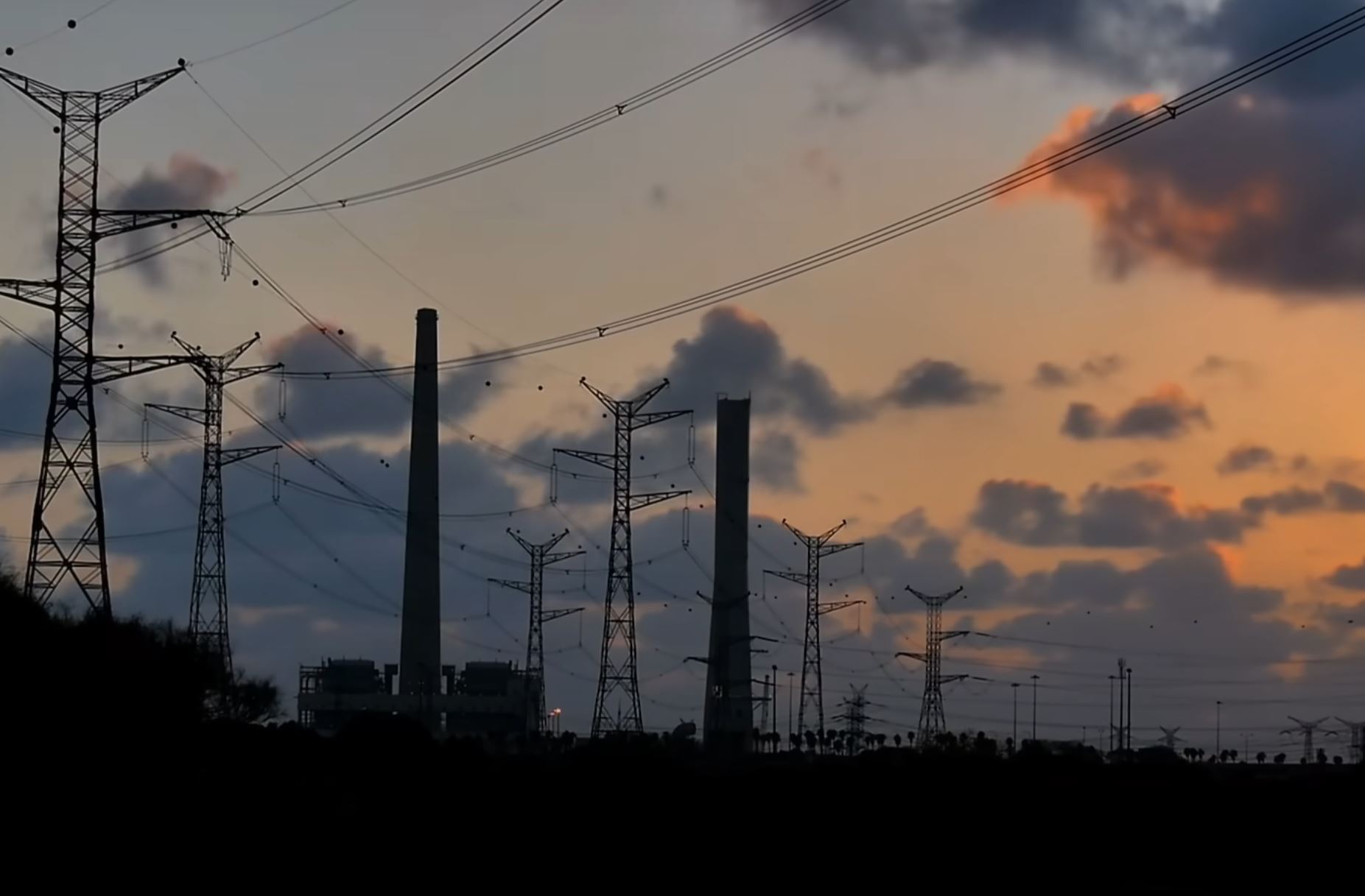
Systemic Failures and Political Fallout
The procurement debacle has exposed systemic failures within SVK. Criticism is mounting not only for the procurement process but also for SVK’s failure to prepare for potential energy disruptions driven by external factors, such as ongoing geopolitical tensions.
The resignation of Per Eckemark underscores the deep institutional flaws at SVK. While the government claimed his departure was by mutual agreement, it is clear that the crisis has left the Swedish energy sector in disarray.
Sweden’s Electricity Outlook: Better, But Still Vulnerable
Despite the turmoil, SVK maintains that Sweden’s overall electricity outlook for winter 2025–26 is stronger than in recent years. A 1,000 MW surplus is projected during the coldest hour of a typical winter, thanks to declining consumption, expanded wind power, and the commissioning of the Öresundsverket gas-fired plant. This marks a dramatic improvement over the 1,300 MW deficit predicted in 2024.
However, SVK acknowledges that abnormally cold winters would still require net electricity imports, although this need is now significantly lower than before. The absence of a functional reserve until mid-January leaves a critical gap during December and early January, which are historically the most volatile months for Nordic power demand.
The Credibility Crisis: Can SVK Be Trusted?
The credibility of SVK is at an all-time low, with many businesses, municipalities, and households questioning whether the lights will stay on this winter. Per Tryding calls for a complete overhaul of the process, emphasizing that such a situation should never happen again. This sentiment is echoed by many across Sweden, where frustration with the current state of energy governance is palpable.
In the wake of internal miscoordination, poor contingency planning, and leadership instability, SVK’s assurances ring hollow. As climate volatility and geopolitical instability become the norm, Sweden’s energy security framework must evolve to be proactive, not just reactive.
Looking Ahead: What’s Needed
- Accelerated Reserve Deployment: SVK must fast-track contracts and explore emergency bilateral agreements to bring backup capacity online before mid-January.
- Transparency & Accountability: To restore trust, SVK must provide regular updates on reserve status, risk modelling, and import dependencies.
- Long-Term Strategy: The Swedish government should commission an independent review of SVK’s procurement protocols and stress-testing methodologies to align with Nordic and EU energy security standards.
While Sweden may have narrowly avoided a supply crunch this winter, the near-miss serves as a wake-up call. In an era of increasing risks, energy resilience is not optional—it’s essential.
— Reported by the Nordic Business Journal Energy Desk
Sources: Svenska Kraftnät, Southern Swedish Chamber of Commerce, SVT, Government Offices of Sweden